


Areas We Cover
Categories

THE DRAMATURGY OF THE DIGITAL: EVALUATING NARRATIVE PACING IN THE NEW ERA OF INTERACTIVE PERFORMANCE
by Lisa Montalto | June 1, 2026
in Extras

There was a time, not so very long ago, when the idea of “high drama” was strictly confined to the boards of the West End or the flickering silver screen of a local cinema. You’d sit in a darkened room, hush your voice, and let a director dictate exactly how you should feel for two hours. The pacing was set in stone; the suspense was a carefully wound spring that released only when the playwright saw fit. However, something fascinating has happened over the last decade. The theatricality we once reserved for Shakespeare or Pinter has migrated into our pockets and onto our desktops. We are living in an era where the “dramaturgy of the digital” is just as complex, if not more so, than the traditional stage.
It’s easy to dismiss digital interfaces as mere tools, but if you look closer, you’ll see they’re built on the same bones as Aristotelian drama). We’re talking about a fundamental shift in how we experience stories, where the audience is no longer just a spectator but a participant in the pacing itself.
The Architecture of Suspense: From Aristotle to the Interface
When Aristotle sat down to write his Poetics, he laid out a blueprint for what makes a story “work.” He talked about the importance of a beginning, a middle, and an end, but he also focused heavily on catharsis and the build-up of tension. In a classic play, this tension is managed through dialogue and stage directions. You watch the protagonist move toward a crisis, and your heart rate climbs because you can’t look away.
In our modern digital world, that architecture hasn’t disappeared; it’s just been redesigned for a user who wants to hold the controls. Think about the last time you used a high-end app or played a narrative-driven game. The way information is revealed to you isn’t accidental. Designers use what we call “progressive disclosure” to keep you engaged without overwhelming you. It’s the digital equivalent of a slow-burn thriller. By withholding certain elements and revealing others only when they’re needed, these platforms create a sense of curiosity that keeps us clicking.
I find it particularly interesting how “micro-interactions” function as the new stage beats. A small vibration on your phone, a subtle change in colour as you hover over a button, or a loading bar that moves with a specific rhythm; these are all modern ways of maintaining narrative tension. We’ve moved away from the five-act structure toward a continuous stream of mini-climaxes. It’s a relentless form of storytelling that demands our attention in a way a slow Victorian novel never could. We aren’t just waiting for the curtain to fall; we’re actively participating in the rising action.
The Scenography of the Screen: Lighting the Way

In the world of theatre, scenography is about more than just painting a backdrop. It’s about how the space is used to tell a story. Pioneers like Adolphe Appia argued that lighting should be the “soul” of the stage, creating atmosphere and directing the audience’s gaze. If you’ve ever sat in the front row of a play and watched a single spotlight follow a lonely actor, you know exactly how powerful that visual focus can be.
Now, take that concept and apply it to the screen in front of you. Every time your screen brightens or a specific icon glows more intensely than the rest, you’re experiencing digital scenography. The designers are using visual feedback to guide your “performance” as a user. They’re using light, shadow, and depth to tell you what matters and what can be ignored.
It’s a comparative art form. While a stage manager might use a physical gel to cast a blue hue over a scene to signal sadness, a digital artist uses RGB values and bloom effects to create a specific emotional response. I’ve noticed that the most successful interactive media platforms are the ones that understand this theatrical heritage. They don’t just present a static menu; they create a living, breathing environment where the “lighting” changes based on your actions. This creates a feedback loop that feels deeply personal. You aren’t just looking at a screen; you’re existing within a curated visual space that responds to your presence.
Aural Narrative: The Sound of the Modern Screen
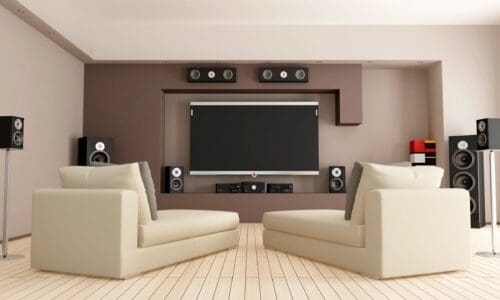
We often talk about what we see, but what we hear is arguably more important for setting the pace. Think about the iconic scores of contemporary film. A few notes from a cello can tell you more about a character’s internal state than ten minutes of dialogue. Digital platforms have caught up to this standard with staggering speed. We are no longer in the age of bleeps and bloops; we are in the age of symphonic depth.
Voice acting has also undergone a revolution. The performances we see in high-budget interactive titles today are often indistinguishable from what you’d find in a prestige television drama. Actors are brought in for motion capture, recording hours of dialogue to ensure that every possible path the user takes feels authentically “acted.”
This aural narrative mirrors the standards of film scoring because it has to. As consumers, our ears have been trained by decades of Hollywood blockbusters. We expect a certain level of fidelity. When a digital platform uses a full orchestral score or nuanced ambient soundscapes, it’s not just for “flavour.” It’s a tool used to regulate the tempo of the experience. Fast, staccato rhythms push us to act quickly, while long, sustained chords allow us to linger and reflect. It’s a sophisticated manipulation of the senses that would make any theatre director envious.
The Rise of Cinematic Gaming: The Dramaturgy of the Spin
There’s a shift happening in how we adapt stories. For decades, the standard was to take a popular film and turn it into a stage musical or a play. Some of these worked, but often, they felt like diminished versions of the original. Lately, the trend has moved toward film-to-digital adaptations that prioritise technical sophistication and “cinematic” feel over simple imitation.
This is where the “Dramaturgy of the Spin” comes into play. It refers to the way interactive titles use high-production values to create a rhythmic, theatrical experience. Even in formats you might not immediately associate with high art, the attention to detail is remarkable. For instance, the curated selection of movie-themed online slots at Virgin Games exemplifies this trend perfectly. They don’t just slap a film’s logo on a screen; they incorporate high-fidelity graphics and cinematic scores that would stand up to a critic’s eye for production detail.
In these instances, the “spin” or the “move” is part of a larger narrative performance. The way the visuals sync with the audio, the pacing of the reveals, and the use of iconic film imagery all work together to create a cohesive aesthetic experience. It’s a far cry from the clunky adaptations of the past. We’re seeing a new kind of artistic merit where the thrill comes from the sheer quality of the recreation. It’s about capturing the essence of a cinematic IP and translating it into a format that the modern enthusiast can interact with on their own terms.
Consumer Evolution: The Aesthetic of the Digital Recreation
Why do we care so much about this? I think it’s because the modern arts enthusiast has evolved. We’ve grown up with high-definition screens and incredibly complex storytelling. We no longer see a “game” or an “app” as something separate from “culture.” We look for the same aesthetic value in our digital recreations as we do in a gallery or a concert hall.
We’ve become discerning critics of our own leisure time. We appreciate when a digital platform takes the time to get the pacing right. We notice when the sound design is thoughtful and when the visual hierarchy makes sense. It’s no longer enough for something to just “work”; it has to feel like a performance.
This sophisticated demand has pushed developers and designers to think like dramaturgs. They have to consider how the user’s journey will feel from start to finish. Is there a satisfying arc? Does the tension build and release in a way that feels natural? By answering these questions, they’re creating a new form of interactive art that honours the traditions of the past while looking firmly toward the future.
As we move forward, the line between the “performer” and the “audience” will only continue to blur. We are all becoming actors in our own digital dramas, navigating carefully constructed worlds that respond to our every move. It’s a thrilling time to be a spectator, especially when the stage is as close as the palm of your hand.
***
18+. Please gamble responsibly. BeGambleAware.org.