


Areas We Cover
Categories

HOW CLASSICAL PERFORMING ARTS LEVERAGE MODERN DIGITAL ENGAGEMENT STRATEGIES
by Susan Hall | June 14, 2026
in Extras
The theatre stage and cinema are undergoing tectonic changes that force classical institutions to rethink their relationship with the viewer. Today, people want to do more than just watch; they want to directly influence the content. The popular platform Pinko clearly demonstrates this movement, showing how digital formats turn ordinary pastimes into a deep and dynamic leisure experience. Organizing digital space is becoming a primary benchmark for the classical stage as it tries to recapture the attention of an audience accustomed to quick emotional rewards.
Our resource StageandCinema explores how classical theatre arts integrate modern technology to expand auditorium boundaries and engage a new generation of connoisseurs.
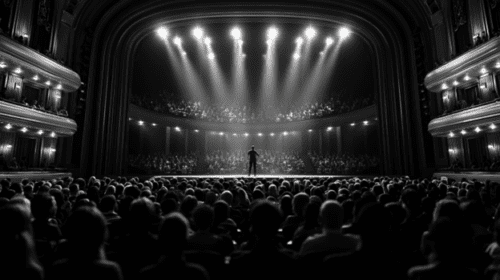
Evolution of the Spectator Experience from Stage to Screen
For a long time, performing arts relied on strict traditions where the viewer remained a passive consumer in a dark room. The new era dictates different conditions where active audience interaction comes first. Modern theatres are launching mobile apps, creating virtual reality performances, and allowing viewers to vote on plot development using smartphones.
Interactive storytelling has become the ultimate tool for holding attention. The traditional division between stage and hall is disappearing, giving way to immersive shows. Digital engagement allows a person to feel like a co-creator of the performance. This format helps users unwind qualitatively after a stressful day. Many people use evening hours for a complete brain reset, combining the viewing of theatrical streams with light gaming on verified sites like Pinco, where relaxation is built on simple and understandable mechanics.
Key Elements of Modern Theatre Modernization
Marketers note a shift in spectator behavior, forcing cultural venues to implement new approaches to content creation:
- Creating digital copies of performances using 360-degree cameras.
- Using augmented reality (AR) to display live scenery and subtitles on smartphone screens during a show.
- Organizing private online discussions with directors and actors immediately after the final applause.
- Launching fantasy platforms where viewers can assemble virtual troupes and predict the success of theatre premieres.
Digital Branding of Cultural Institutions
Classical theatres and cinemas can no longer rely purely on posters by the entrance or newspaper reviews. Modern digital branding requires a constant presence in the media space. Teams promote actors as influencers, show rehearsal backstage footage in vertical videos, and launch large-scale campaigns online.
The growth of cultural participation depends on how simple the user journey is to buy a ticket or watch a stream. Facts show that interface optimization increases conversion by 42% because people value the speed of service operations.
Comparing Traditional and Digital Methods of Audience Engagement
Shifts in the entertainment industry demonstrate the difference between outdated approaches and modern technological solutions. The table below details how communication formats are changing in the market.
| Evaluation Parameter | Traditional Theatre Format | Modern Digital Media Platform |
| Viewer Role | Passive observation without a vote | Active participation, influencing the course of events |
| Content Availability | Limited by geography and seating capacity | Global, round-the-clock access from any device |
| Main Marketing Channel | Print press, paper posters, word of mouth | Targeted ads, social networks, SMM |
| Audience Analysis | Approximate sociological surveys once a year | Instant analytics of clicks, gaze dwell time, and transitions |
| Leisure Format | Status evening outing with a strict dress code | Flexible home leisure, free relaxation schedule |
Combining different types of content creates an ideal space for relaxation. Spending time on the Pinco casino website, users receive a quality graphic product where each gaming session acts as an individual micro-performance with well-thought-out directing, helping unload the nervous system after a working day.
Step-by-Step Algorithm for Analyzing the Success of a Theatre Digital Project
To verify whether a chosen digital strategy works effectively, StageandCinema analysts go through a clear sequence of metric evaluation:
- Monitoring the number of unique visitors on the online broadcast during the first 15 minutes of the air.
- Fixing the audience retention rate and analyzing moments when viewers most frequently close the player.
- Calculating engagement depth by analyzing the number of comments and likes under the stream.
- Evaluating financial conversion, including the sale of digital programs, merchandise, and donations during the show.
- Gathering and processing text reviews on social networks to adjust subsequent launches.
Psychological Aspects of Modern Content Consumption
Modern humans live in conditions of constant information overload. Long, three-hour performances without dynamic elements cause rapid fatigue in the new generation. The stage industry is forced to adapt the tempo-ration of plays, making mis-en-scenes shorter and visual effects brighter.
It is important to create an environment where the user feels secure and comfortable. The Pinco platform accounts for these demands, offering transparent conditions and a laconic interface design. When an entertainment service does not overload a person with extra actions and complex navigation, they receive maximum positive emotions from relaxation. The synergy of classical art and digital engagement strategies allows creating unique cultural products that retain the audience and ensure the stable development of brands in the tough conditions of the modern entertainment market.