


Areas We Cover
Categories

WHY SO MANY BIOPICS FEEL THE SAME
by Michael Carr | July 1, 2026
in Extras
There is nothing wrong with a biopic that gives people a quick route into a life they might not know much about. A great one can make a musician or athlete feel less like a name in a history book and more like a real person with flaws and difficult choices.
The problem is that too many biopics now feel as though they have been built from the same template. A different soundtrack or fresh costumes can be added, yet the rhythm can remain almost identical.
There is usually an early setback before the breakthrough and by the end, the audience is offered a hard-earned moment of redemption or a final scene that underscores how important the subject has become.
That structure is not always wrong but it is just becoming so painfully familiar for viewers who are struggling to distinguish from one biopic to another.
The Same Story Keeps Returning
Most biopics start with a version of the same promise: here is the person before the world knew their name. We see the early talent, the first rejection and the obstacle that supposedly explains everything that comes after. At times, the structure can feel so predictable that it resembles following a well-known system, much like guides that explain matched betting, where each step follows an expected sequence rather than offering many surprises.
But real lives are rarely that tidy or formulaic and people do not usually grow in a straight line, learn a lesson and arrive at a neat final version of themselves. They repeat mistakes or make decisions that do not fit a satisfying screenplay.
The more a biopic sands down all of those rough edges, the less interesting its subject can become. A complicated person starts to look like a collection of scenes designed to move them towards the next awards-season clip.
The Performance Becomes the Whole Conversation
Another issue is the way biopics are often sold through imitation with the trailer telling us that an actor has mastered the voice and spent months altering their appearance to fit the part.
But a performance is not automatically the same thing as insight simply looking and sounding like somebody does not necessarily tell us anything new about them.
The best biopics do more than recreate famous gestures or mannerisms, they find the pressure underneath the public image. Showing what the person may have been hiding rather than replaying what people already remember.
When that does not happen, the film can feel like an extended impression or even a caricature. It may be technically polished, but it has little to say once the initial recognition wears off.
Famous Moments Are Not the Same as Drama
Biopics also have a habit of treating every recognizable event as a mandatory pit stop along the way. A famous speech needs to appear, The song everyone knows has to be performed and of course The headline scandal cannot be left out.
The result can feel less like a film and more like a long highlight reel and you begin to get a sense that the screenplay is just ticking off moments that viewers expect to see.
A well-made biopic should ask what a public moment cost the person involved, making sure to show the private consequences, even when those are messier than the version people have seen in old news footage.
The Better Films Find a Different Way In
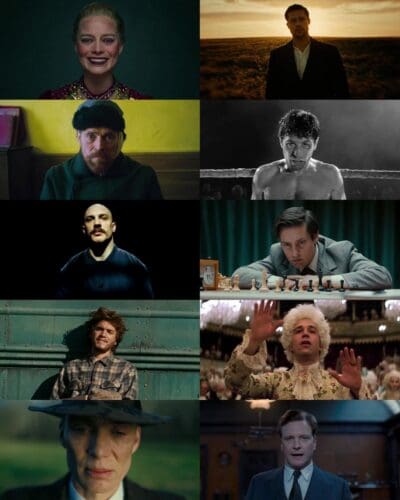
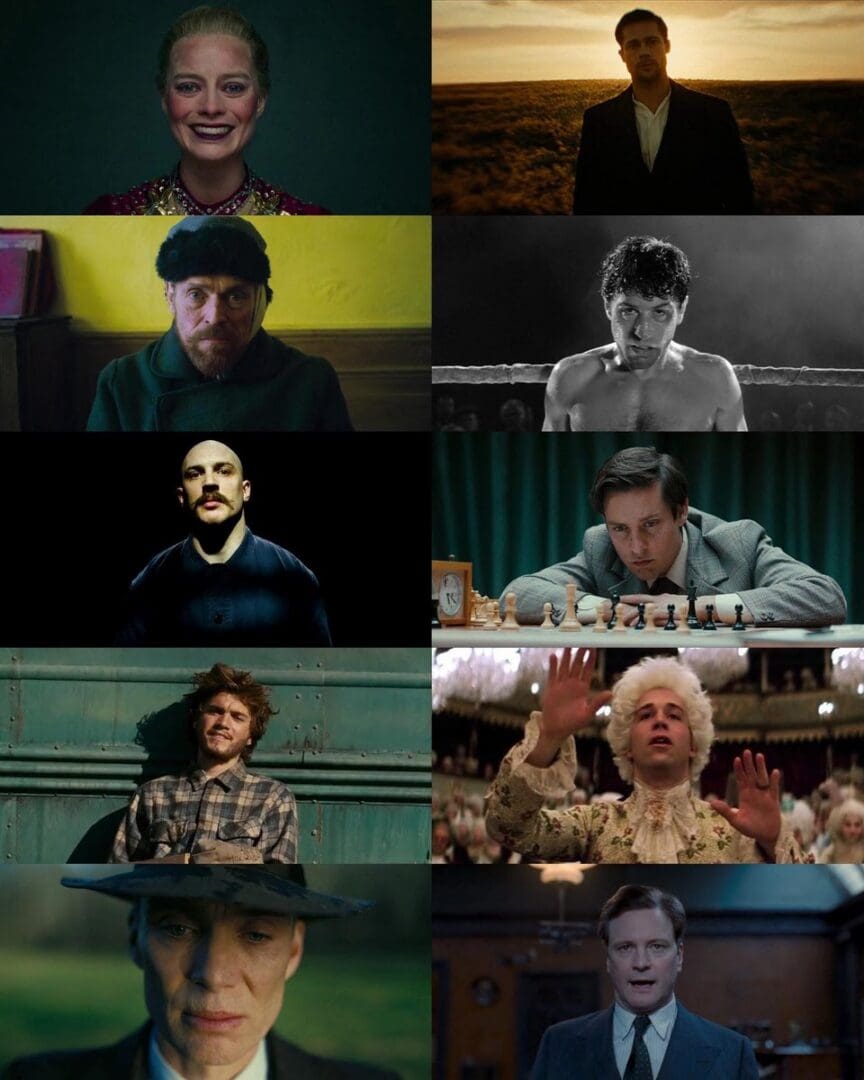
The most memorable biopics tend to avoid covering every stage of a life but choose a particular moment or period and trust that it can reveal something larger.
Todd Haynes’ I’m Not There approached Bob Dylan through several actors and shifting identities, rather than pretending one performance could contain him. Jackie narrowed its focus to the days after John F. Kennedy’s assassination, turning a familiar historical figure into somebody trapped inside grief and public expectation.
Those films are not necessarily more accurate in every single aspect of the person’s story but they are more interested in perspective than in simply proving they did the research. And that is often what conventional biopics miss. Facts matter, but a film needs to have a point of view as well. Without one of those, it can become an expensive eye catching retelling of a person’s Wikipedia page.
Audiences Can Tell When a Film Is Playing Safe
There is a reason why some biopics feel built for awards before audiences have even seen them. The ingredients are easy to spot: a famous transformation or a big final speech.
Again, neither of those things is automatically bad, the trouble is that they can make a film feel cautious.
A life story should have room for uncertainty. It should be allowed to leave questions unanswered, particularly when the person at its center was contradictory or difficult to understand.
That may not produce the cleanest ending but can produce something closer to the strange, unresolved way real people actually live.
Biopics Need More Curiosity
The answer is not to stop making biopics after all there are still plenty of lives worth exploring, and film can offer an emotional closeness that a documentary may not.
But filmmakers need to be more curious about what makes a subject worth revisiting and paying attention to. The best question is not always, “What happened next?” Sometimes it is, “What have we misunderstood about this person?”
That is where a biopic can become more than just an overly polished timeline, instead of asking viewers to admire a life from a distance, it can make them look at it differently. Until more films take that risk, many biopics will continue to feel like the same story wearing different clothes.
