


Areas We Cover
Categories

Theater Review: MEN OF SOUL (Black Ensemble Theater / Chicago)
by Mitchell Oldham | July 1, 2026
in Chicago, Theater
THE STUFF OF LEGENDS
A musical revue that honors
both talent and tenacity
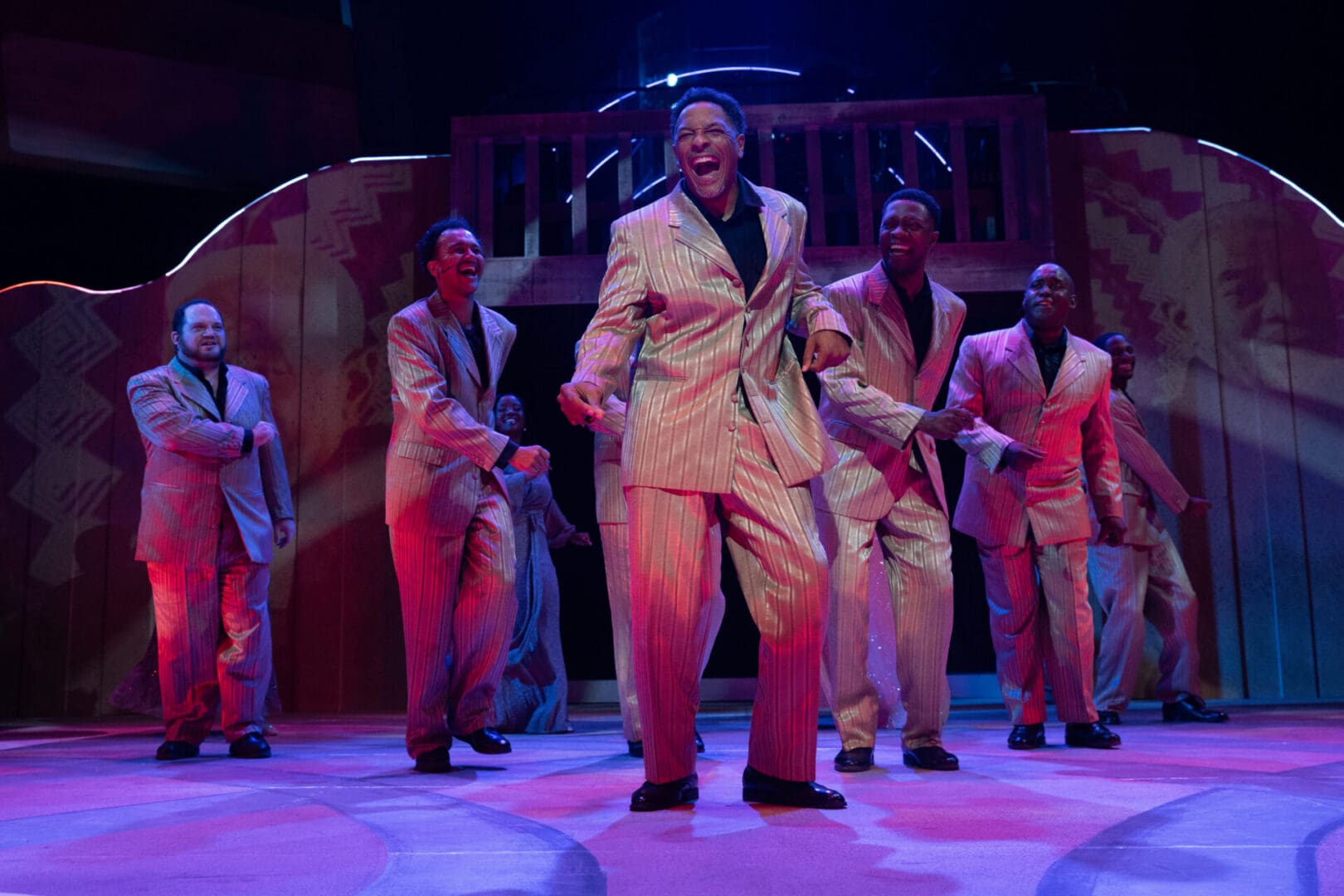
Bill Withers and cast
Nine days after the euphoric high of Juneteenth and the jubilant opening-day celebrations of the Obama Center, Black Ensemble Theater (BE) opened its revival of Men of Soul. Written and directed by Daryl D. Brooks, longtime BE stalwart and now the company’s new Artistic Director, Men of Soul has an unassuming name for such a powerful package.
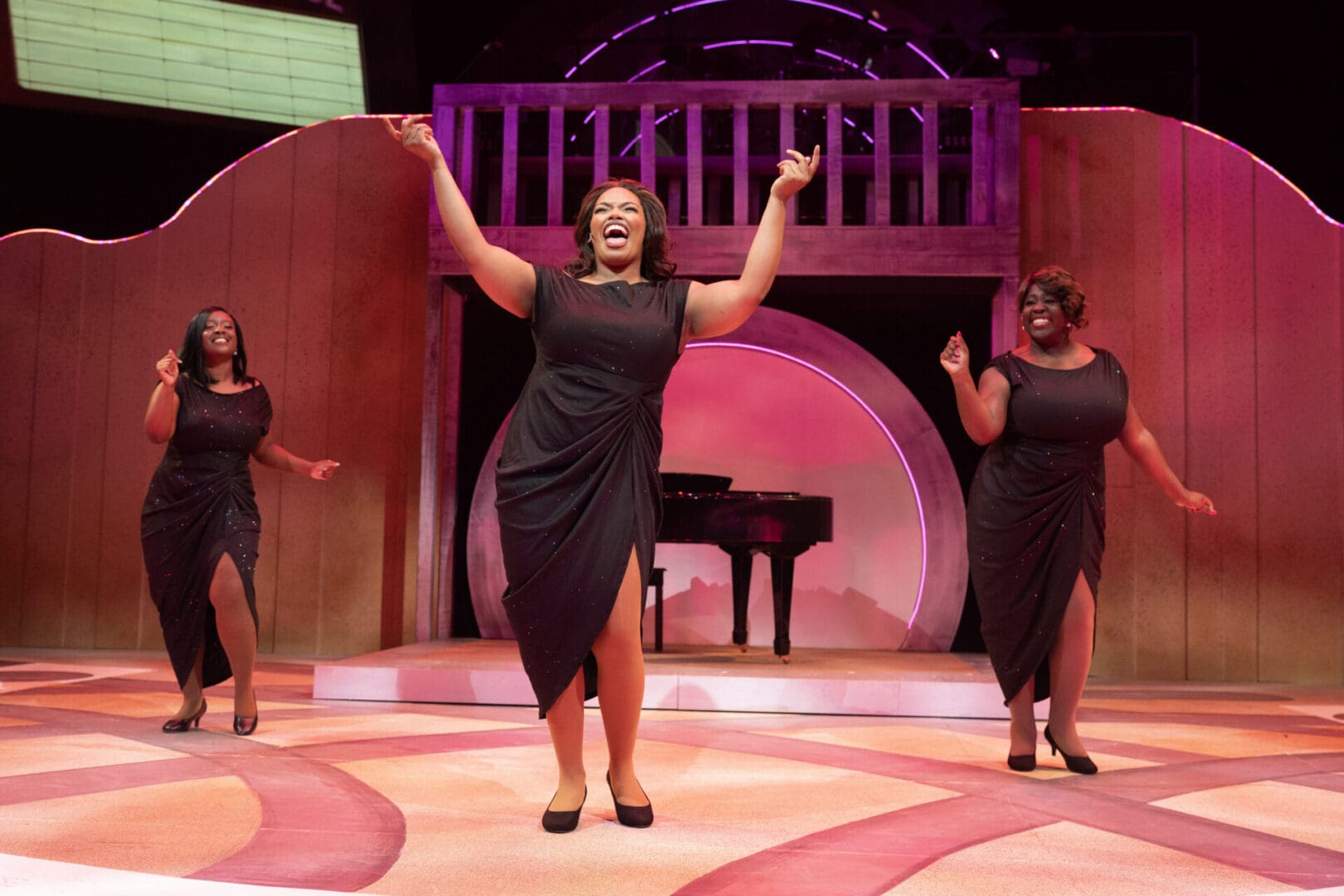
Chloe Johnson, Chloe Johnson, and Tamara Batiest
As is typical of many BE productions, it gives a lot more than just an evening packed with glittering music. It goes the extra mile and couches its delights in backstories and details that amplify the artistic contributions of the fourteen individuals it’s showcasing and honoring. Brooks does a particularly fine job here by selecting and presenting personal stories that sharpen our understanding and heighten our respect for this small army of singers who overcame difficult, though often relatable, circumstances to achieve stardom and make impossible dreams realities. He broadens the definition of who a soul singer is, upending our conception of who can wear that descriptor and why.
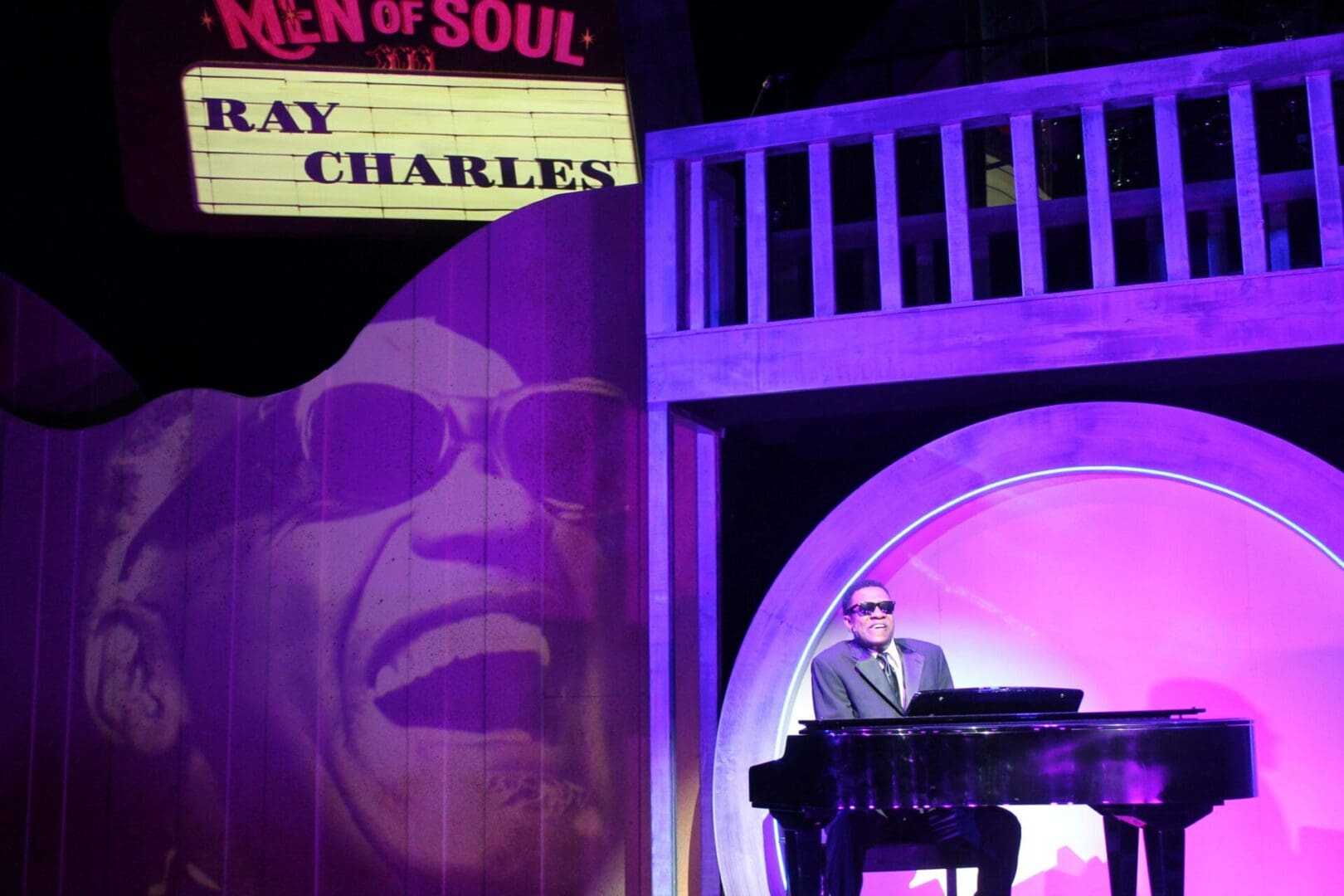
Jaitee Thomas
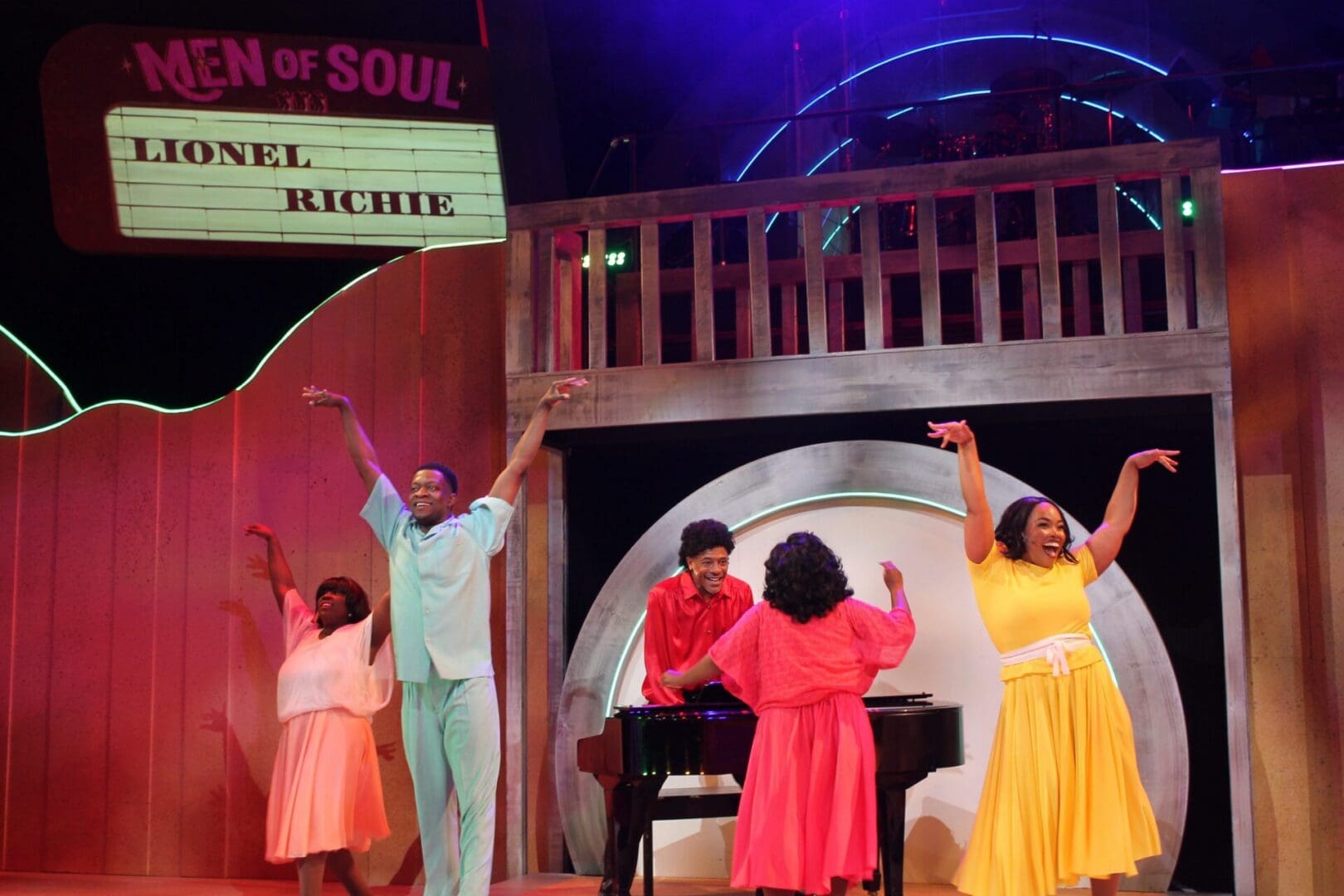
Fittingly, Men of Soul begins with an indisputable class act and consummate performer, Ray Robinson, better known as Ray Charles. With Jaitee Thomas rocking to the rhythm on a piano bench as “The Father of Soul,” surrounded by his three Rayettes, the foursome opens with a sizzling rendition of “Night Time Is the Right Time.” Gamely piggybacking off a high-energy opener penned by Brooks, the show gets off to a flying start with two solid winners.
Considered one of the key innovators who blazed the trail for what’s now known as soul music, Charles described the music he was making in the ’50s as a potent blend of gospel and jazz. Thomas, as Charles, with his trio of backup singers, reminds us of how heady that combination will always be.
Vincent Jordan (at piano)
The period of soul music’s birth was fraught. Segregation was entrenched. Georgia promoters insisted that if Charles wanted to play before audiences in his native state, his concerts would have to follow the segregationist mandate. Rather than acquiesce, “Brother Ray” refused and turned down all engagements that would divide his fan base by race, risking his marketability. It was years before he was vindicated. That combination of courage and conviction becomes a recurring theme throughout the revue as it celebrates men who faced similar obstacles to reach their artistic peaks.
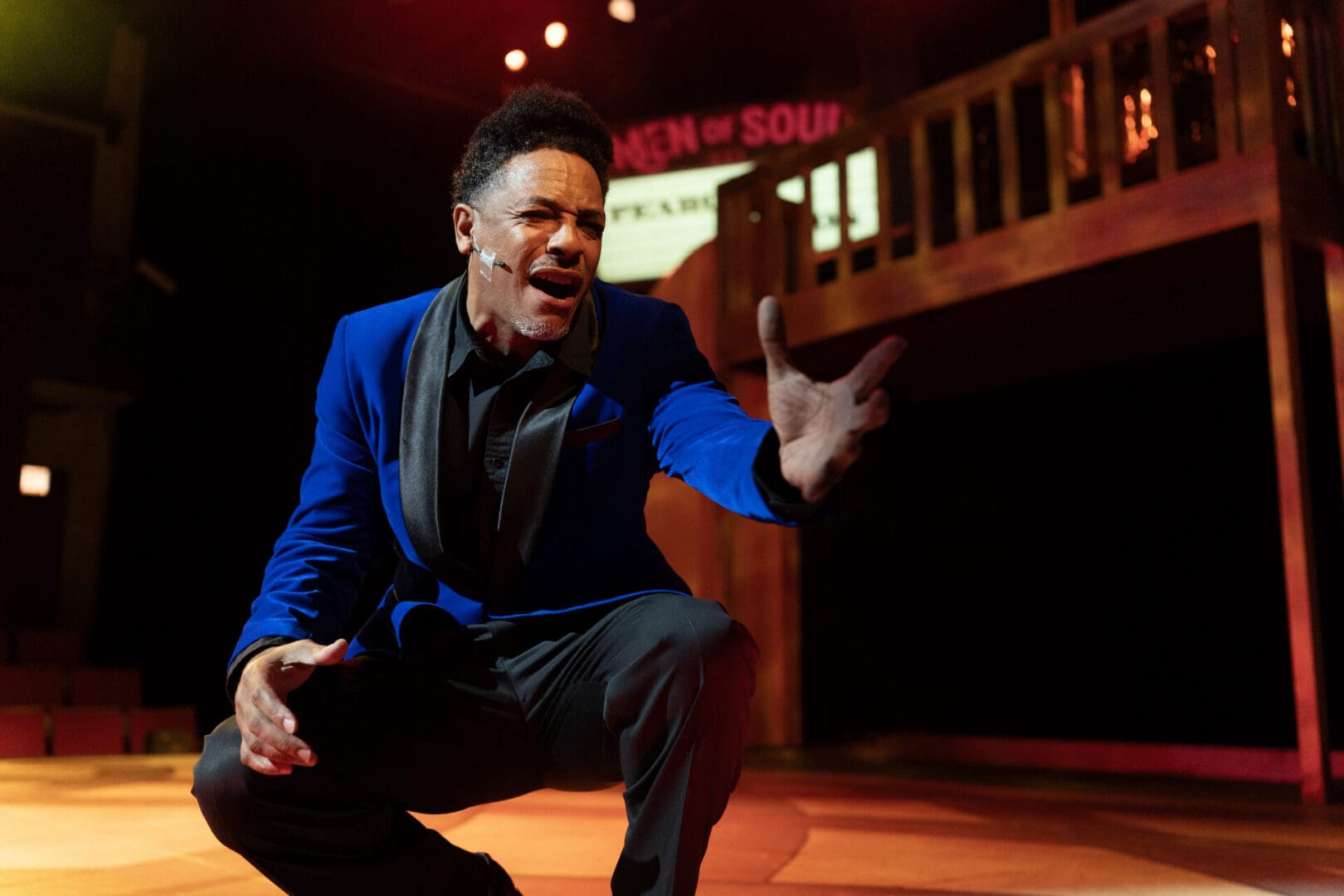
Boundaries shift with breathtaking fluidity in the arts, causing many performers to abhor the restriction of labels. That partially explains why artists like Tom Jones, Joe Cocker, and Elton John are included in Men of Soul‘s illustrious roster of soul greats. Because of the elasticity of their capabilities, their music straddles genres as easily as it crosses demographics.
Vincent Jordan
It’s also notable how each of these singers’ personal stories proves to be just as compelling as their talent. Ray Charles actively resisted the manufactured confines of racism. Tom Jones had to overcome the label of a “one-hit wonder” to reach the outer limits of fame.
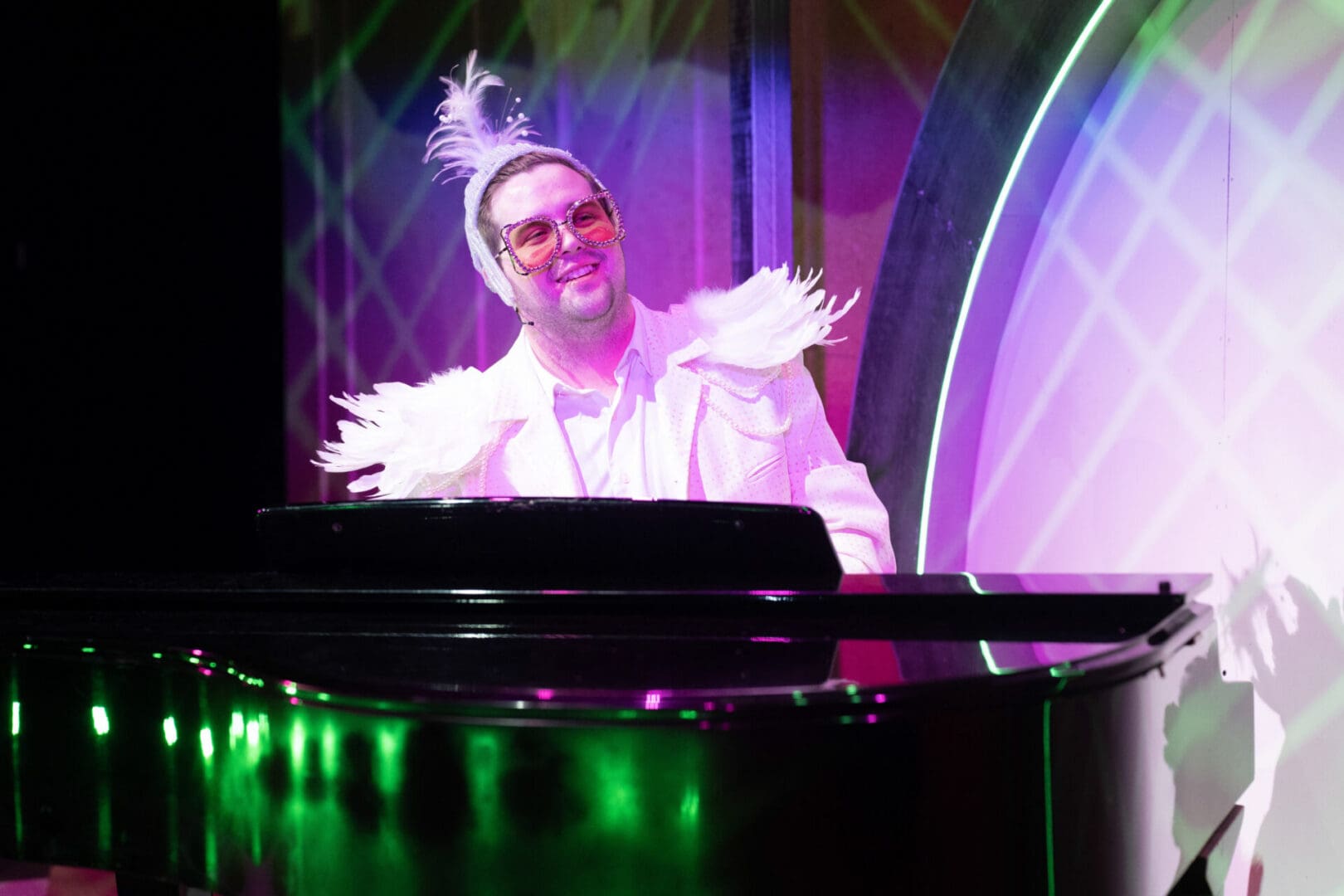
Michael Santos bears little resemblance to Tom Jones, prompting audience snickers when he strolled onto the stage from the aisles. However, he quickly settled into a gorgeous rendition of “Endless Love,” turning mild mockery into outright awe as the luster and richness of his passion-infused voice seduced the room. He also plays Elton John, though with less assurance, a quality that proves sweetly endearing.
Michael J. Santos
That kind of admiration was well distributed throughout the show. Maxel McLoud Schingen‘s moody and aloof take on Prince set the crowd on fire when he turned up the jets in “Purple Rain.”
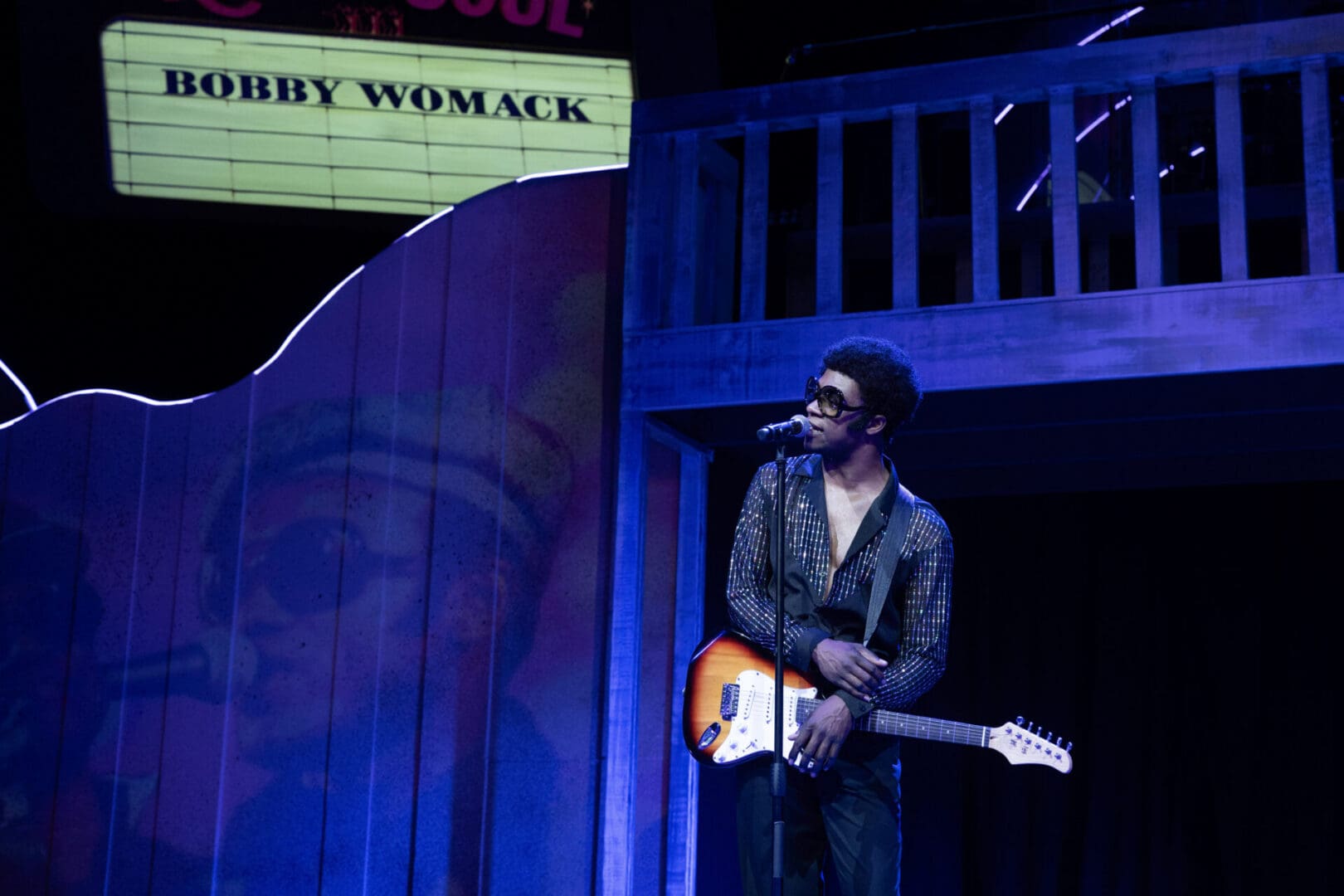
Later, returning as Bobby Womack, Thomas delivered smoldering performances of classics such as “If You Think You’re Lonely Now.”
Jaitee Thomas
A part of BE for 25 of its 50 years, the highly versatile and talented Dwight Neal can do just about anything, and his Luther Vandross, as well as his interpretation of Freddie Jackson, were irresistibly captivating.
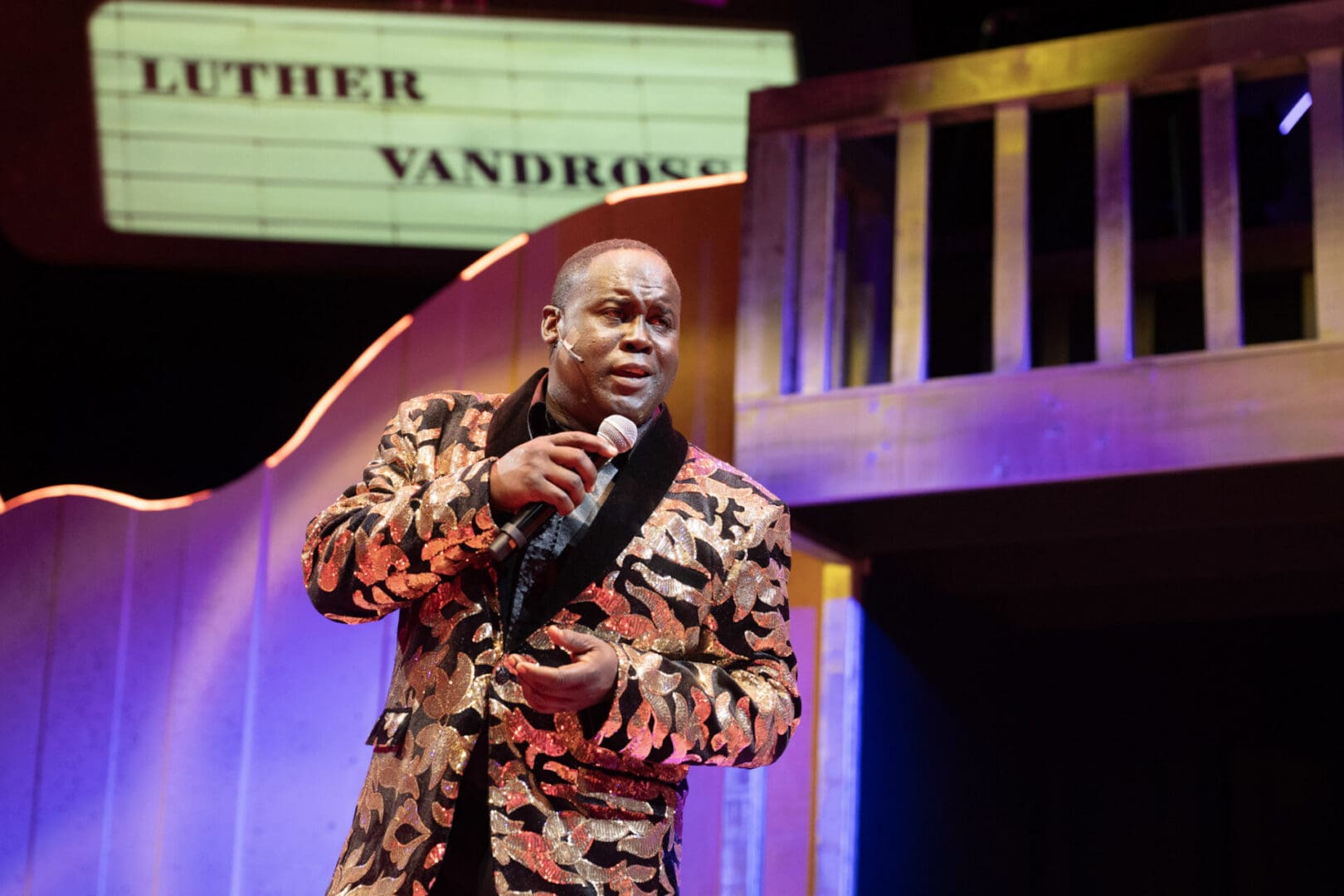
Dwight Neal
When profiling Vandross’s rise to fame, the focus seemed to concentrate on the specifics of how he left the obscurity of being a backup singer to move to the center mic. Once he was entrenched there, he was dogged with questions about his sexuality that, unlike Elton John, he never addressed. The book neglected to consider how fame can constrict or inhibit candor, which might have shed a broader light on its power.
Keeping the stage relatively bare allowed scenic designer Sydney Lynn to use its walls as handy screens to project images of the musical giants being remembered, bringing their spirits into the space.
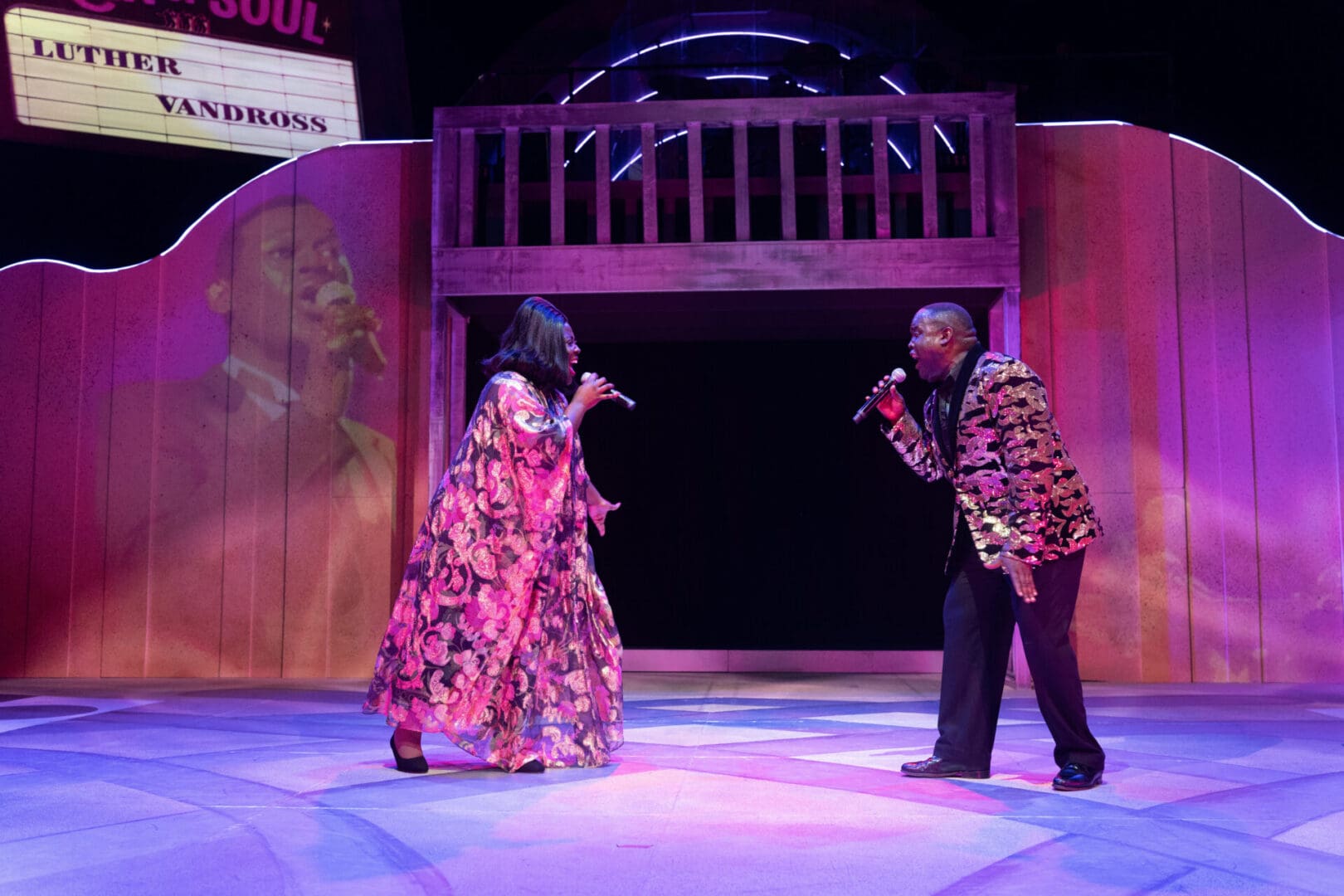
Tamara Battiest and Dwight Neal
Stealthily and subtly upping his game, costume designer Gregory Graham‘s choice of colors, fabrics, and styling kept racking up high marks. Even the always red-hot BE band, led by Robert Reddrick, sounded somehow crisper, sharper, and brighter, which only goes to show that even the best can reach higher rungs. The musicians are Adam Sherrod (keyboard), Myron Cherry (drums), Mike Dangeroux (guitar), Walter Harrington (bass), and Oscar Brown Jr (guitar).
All this revelry-wrapped nostalgia led to a very special tribute honoring Bill Withers, one of the most eloquent soul singers and songwriters of our age. Ebullience and joy were the order of the day as this universally strong cast danced and sang its way through a lush thicket of his greatest hits.
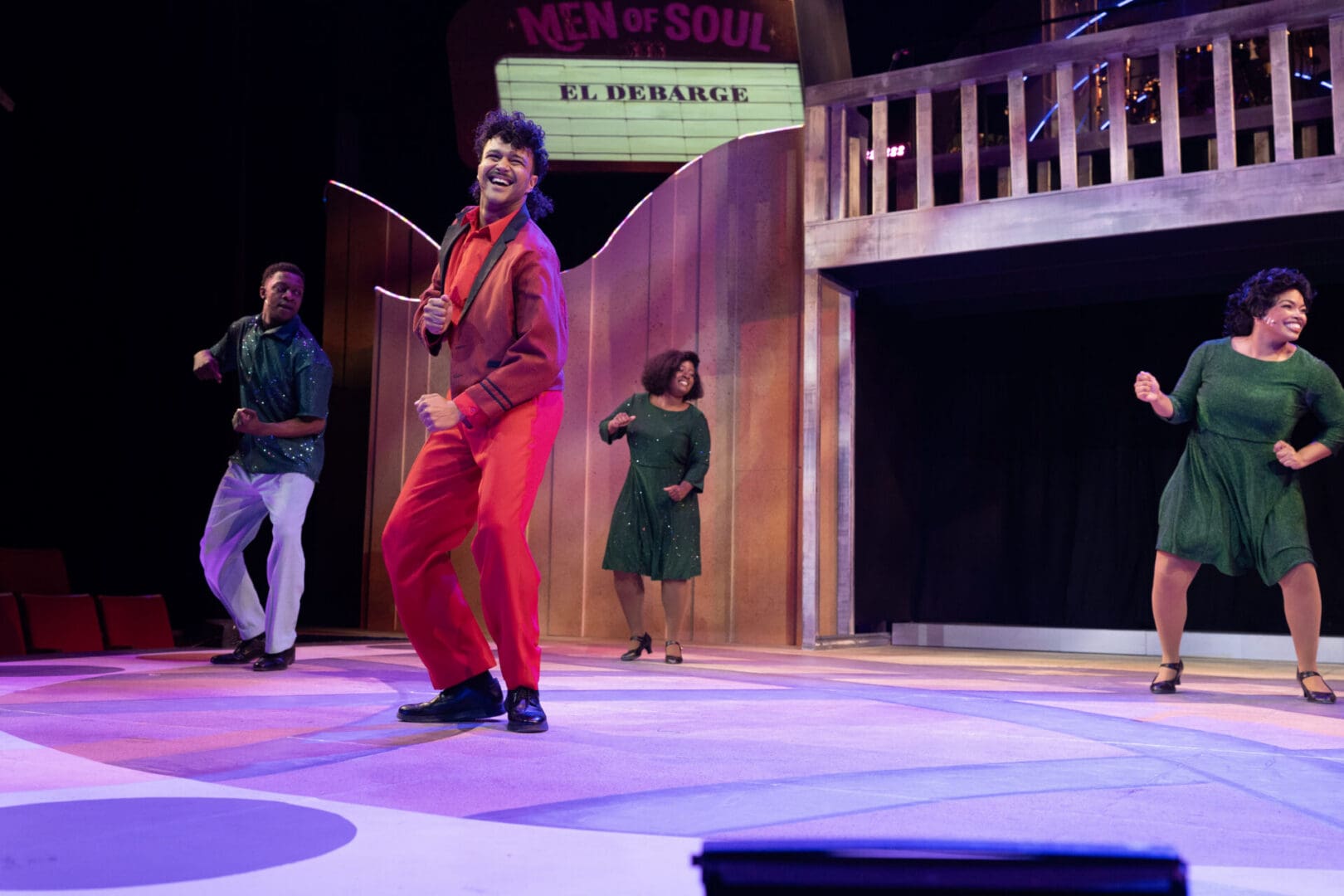
Maxel McLoud Schingen
Ultimately, Men of Soul celebrates not only extraordinary voices, but the resilience and determination that made them unforgettable.
✦ ✦ ✦ ✦ ✦ ✦ ✦ ✦ ✦ ✦
photos by Aaron Reese Boseman
Men of Soul
Black Ensemble Theater
4450 N. Clark St. in Chicago
Fri at 7; Sat at 2 & 7; Sun at 2
ends on August 9, 2026
for tickets ($69), call (773) 769-4451 or visit Black Ensemble Theater
for more shows, visit Theatre in Chicago
✦ ✦ ✦ ✦ ✦ ✦ ✦ ✦ ✦ ✦
