


Areas We Cover
Categories

Theater Review: NATIVE GARDENS (Theatre EVOLVE / The Den Theatre / Chicago)

by C.J. Fernandes | July 2, 2026
in Chicago, Theater
BAD FENCES MAKE
GOOD COMEDY
Big laughs bloom from a tiny patch
of disputed ground.
Chuck Munro
In a tony suburb of Washington, D.C., a young upwardly mobile Hispanic couple move into their first house, a charming fixer-upper with a small backyard. Pablo Del Valle (Rio Soliz Ragazzone) is an attorney—the only one of color—in a prestigious law firm and is hoping to make partner soon. His wife Tania (Emely Cuestas) is a cultural anthropologist and is due to defend her PhD thesis. She’s also due to have a baby in four weeks. Tania’s plans for the yard involve creating a garden of native plants. She has strong feelings about manicured and curated flower beds and is not shy about voicing them.

Rio Soliz Ragazzone and Emely Cuestas
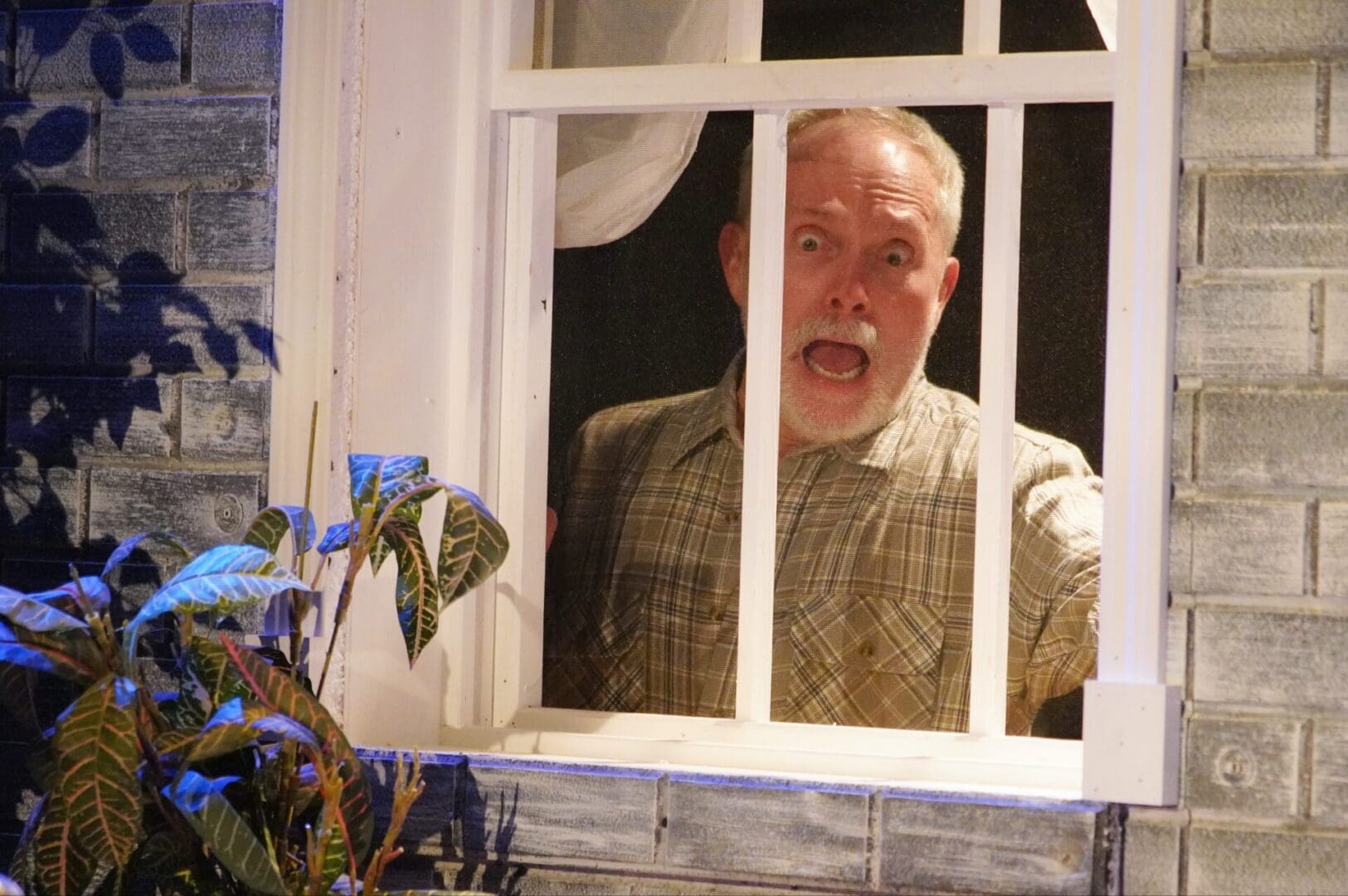
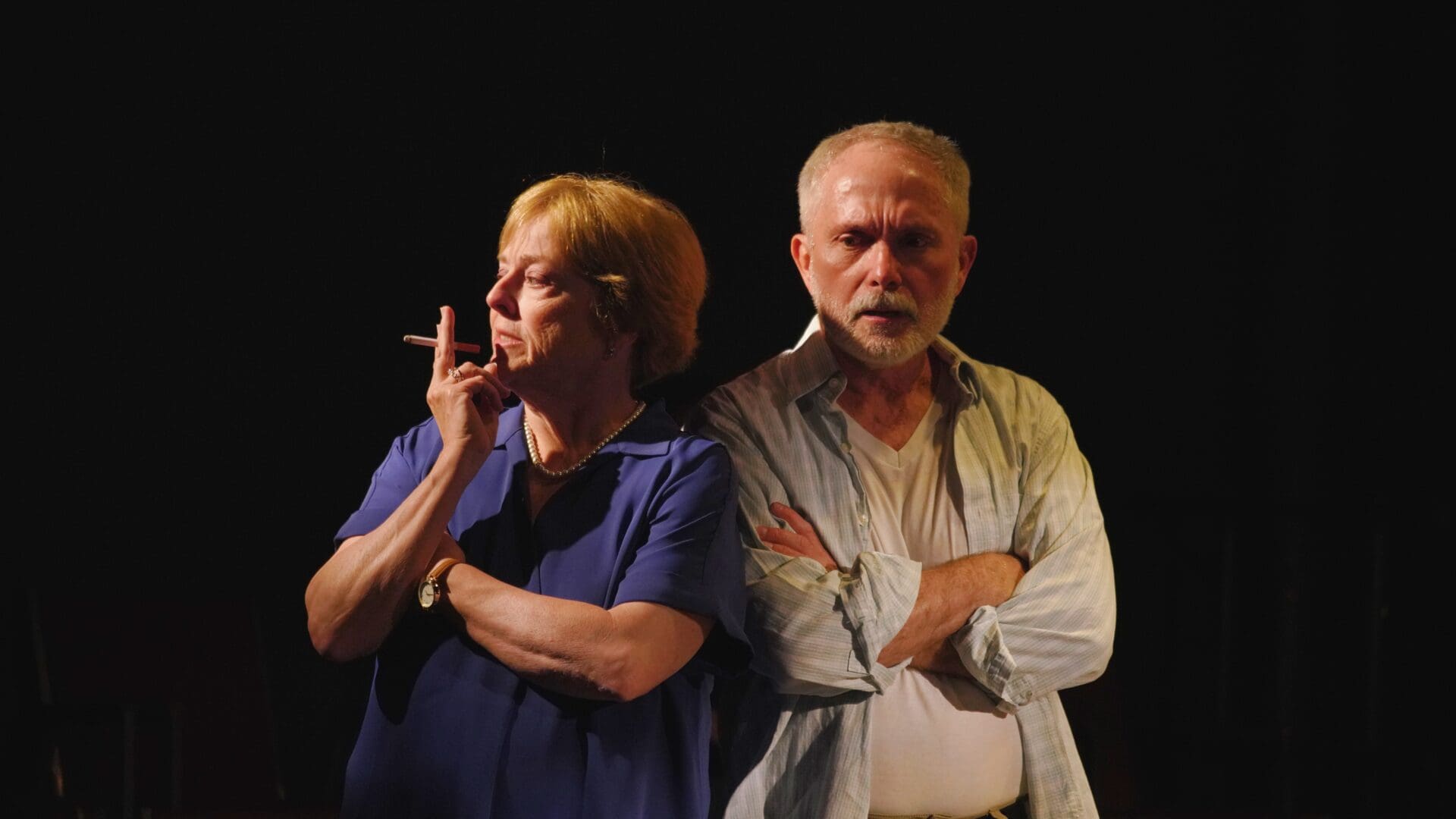
The Del Valles share an ugly chain-link fence with an older white couple, Frank (Chuck Munro) and Virginia (Suzy Krueckeberg) Butley, who have lived in the neighborhood for decades. Virginia is an executive at Lockheed Martin, and Frank works in some bureaucratic position from home when he isn’t puttering around in the yard preparing his garden for an annual competition. He has lost “Best Garden” every year for over a decade now, but he’s convinced this is going to be his year. The competition is a week away, but here come their new neighbors with a bottle of wine and an anxious look on their faces: they are hosting a BBQ for Pablo’s entire office on Saturday, and they have thoughts about the shared fence.

Chuck Munro and Suzy Krueckeberg
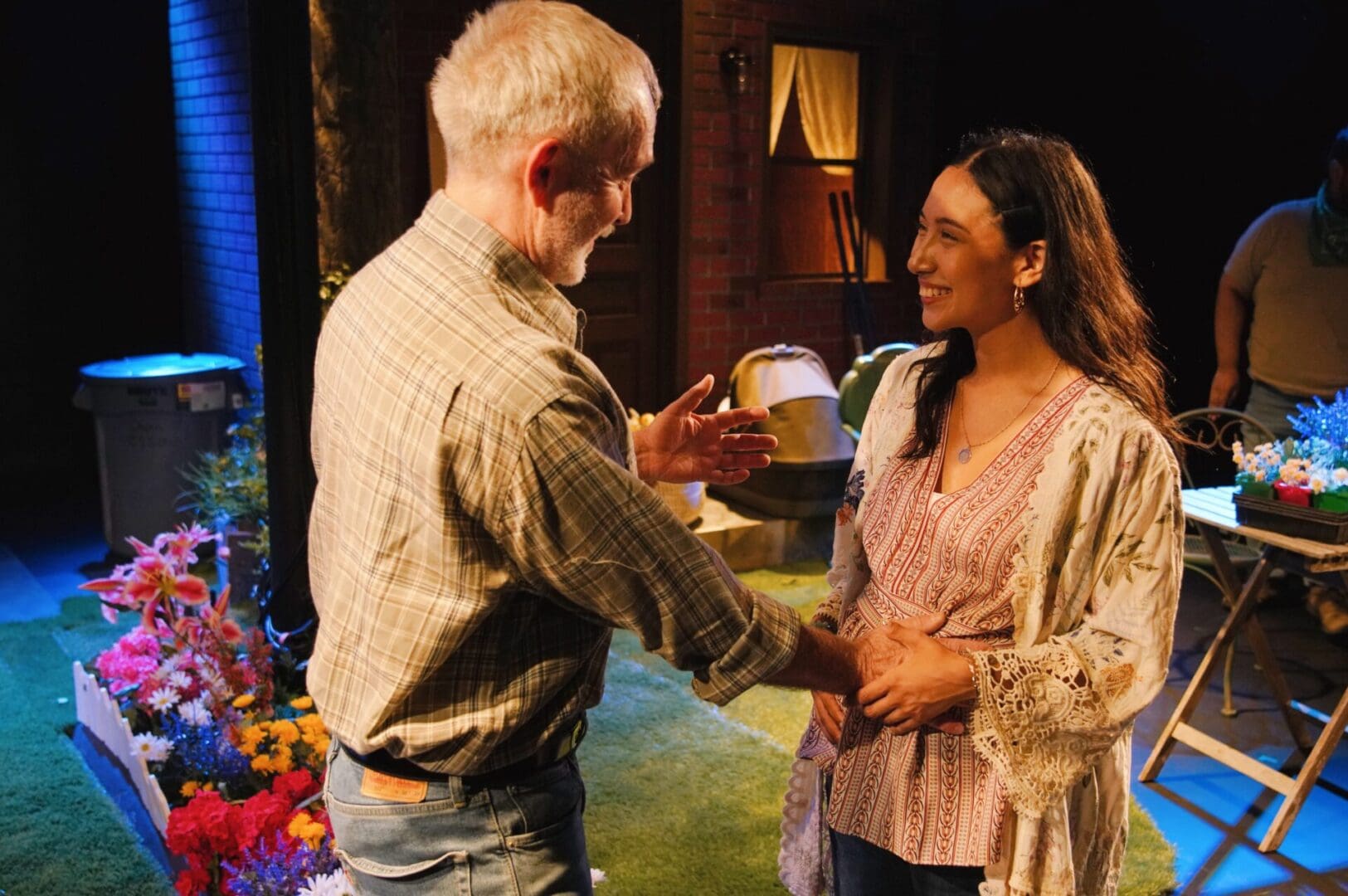
Karen Zacarías’s Native Gardens, mounted by Theatre EVOLVE at The Den Theatre in Wicker Park, kicks off with this tantalizing setup. Scenic designer Jeff Brain‘s set is simple but charming, with the rear façades of two houses that are identical in outline but quite different in condition. Bordering the fence on the Butleys’ side are several beds of flowering plants and a matched set of lawn furniture, a stark contrast to the Del Valles’ yard, which contains a couple of rusty chairs, a folding table, and one very imposing oak tree.
Chuck Munro and Emely Cuestas
After the feint of the first meeting—the Butleys are entirely in agreement about the hideous fence and are overjoyed that their new neighbors want to tear it down—we get to the real crux of the play: in order to correctly align the fence with the property line, Pablo takes a look at the plat of survey and discovers that the fence does not demarcate the property. The property line extends a few feet beyond the fence into the Butleys’ yard—a few feet that include Frank’s flower beds.
Rio Soliz Ragazzone and Emely Cuestas
A brief note to add that in order to enjoy the hijinks that follow, the audience must put aside the fact that the Del Valles are entirely in the right in the discussion that follows in the play. Especially from a legal standpoint.
Suzy Krueckeberg and Chuck Munro
Zacarías is a sharp, intelligent writer, and the play is brimming with beautifully constructed arguments, splitting up the characters into different pairings to keep things interesting. This is a story about immigration, assimilation, and the American Dream. There are racist and ageist microaggressions aplenty, but it’s interesting that, without exception—as far as I can remember—none of them are delivered with malicious intent. Zacarías also delivers many minor pleasures: the Del Valles’ marriage is about as pure a marriage of equals as I’ve seen on stage, and if the Butleys aren’t on the same level—Virginia is clearly the brains of the operation—there seems to be no resentment on Frank’s part over the difference in their statures. This sort of thing is not as common as one might think.
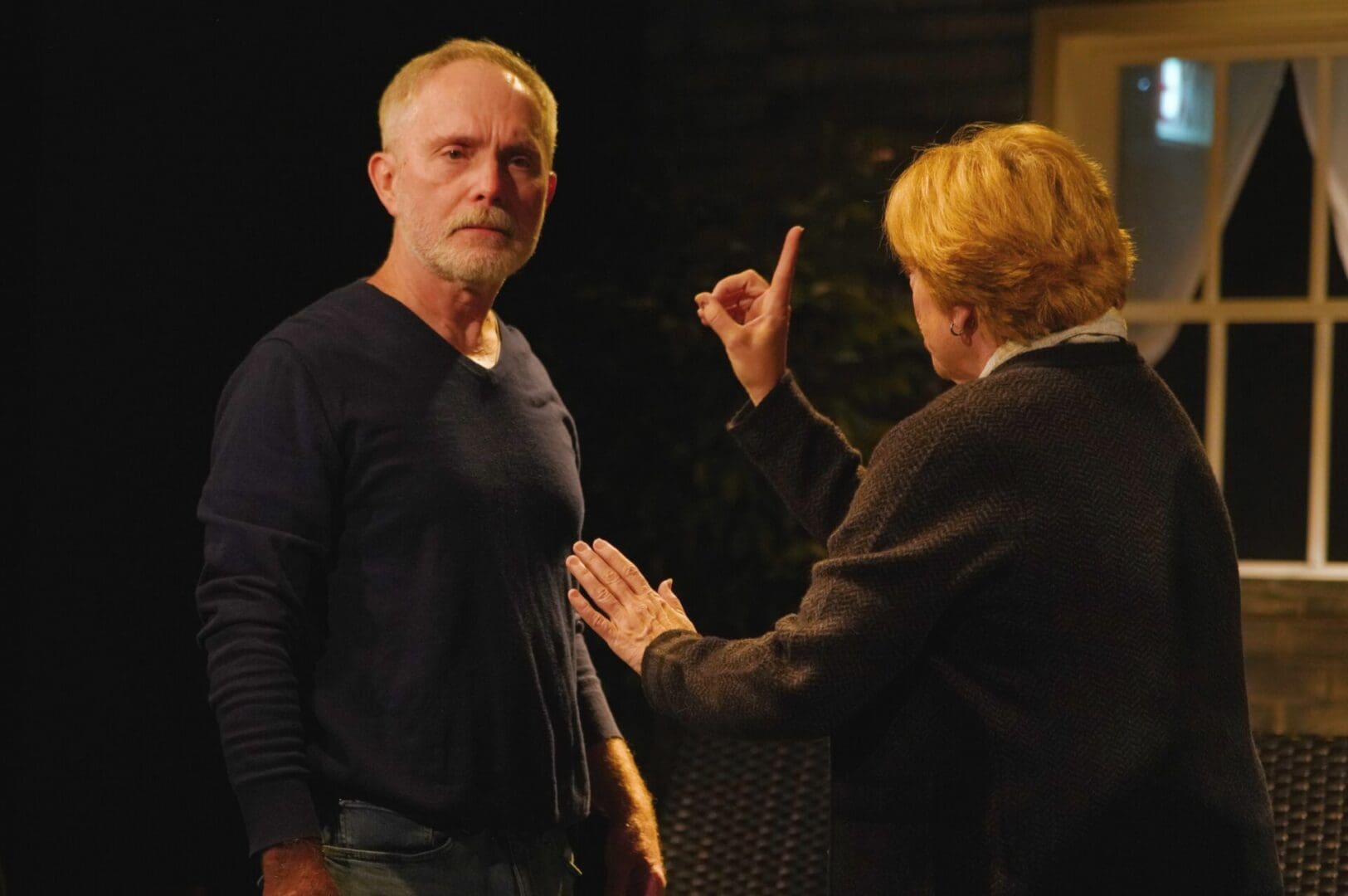
Chuck Munro and Suzy Krueckeberg
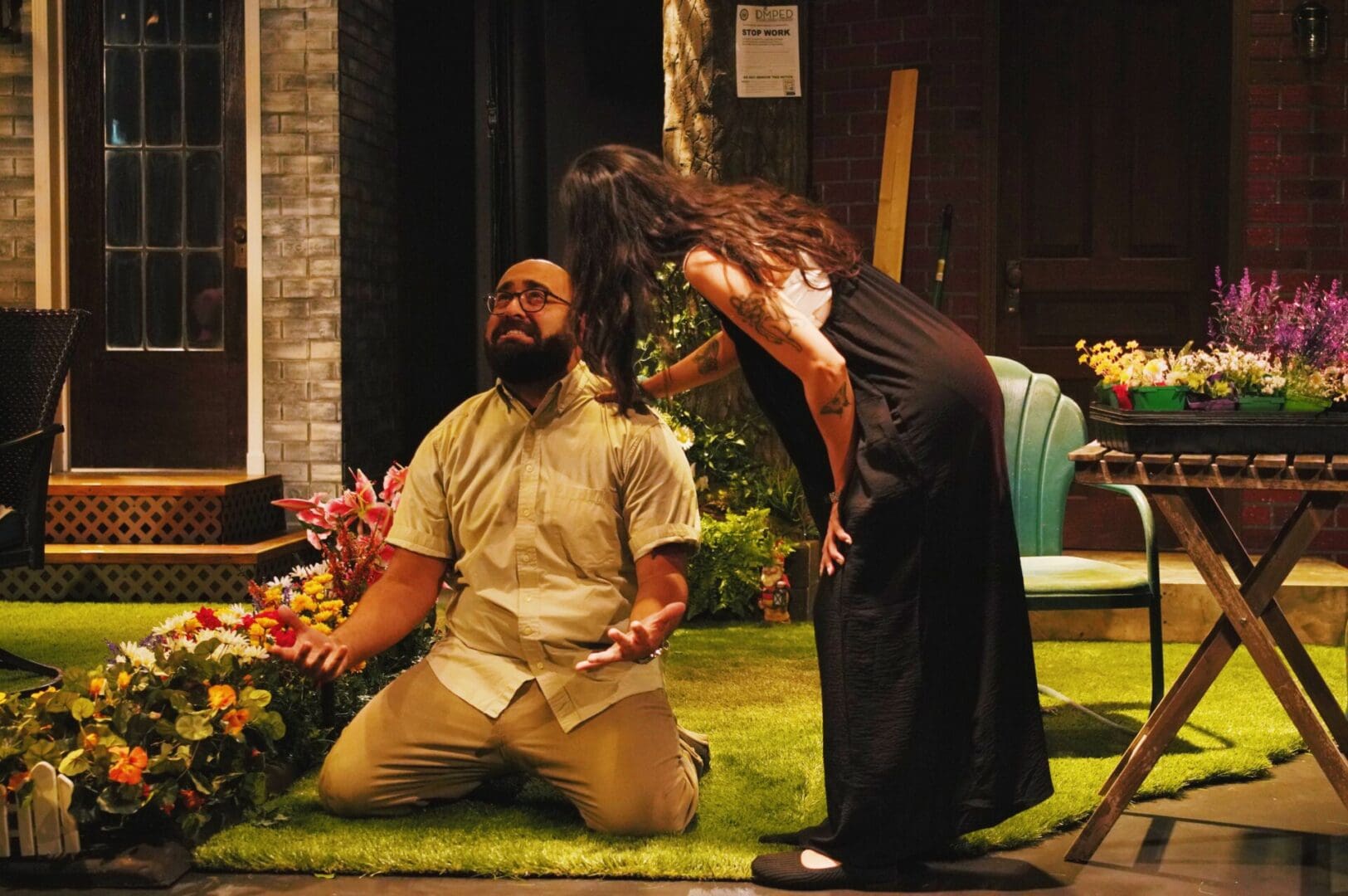
Director Moises Diaz keeps the action tight, and the pacing is impeccable. The jokes come at you fast and furious, and all four actors are fantastic as they shift from politely formal to screaming, flower-pulling, and chainsaw-wielding nutjobs in a little under ninety minutes. Cuestas’ neurotic, tightly wound anthropologist, whose knowledge of Spanish is limited to swear words, holds the center, but the other three are just as wonderful. Munro is a charmingly dotty near-retiree driven to rage over his beloved garden, and Krueckeberg’s shrewd, conniving executive gets laughs seemingly out of nowhere with the simplest gestures. Ragazzone is burdened with being the straight man for most of the play, but even he gets to show off his physical comedy chops in the climactic scene and executes a swoon-and-faint moment that would be the pride of a Chuck Jones cartoon.
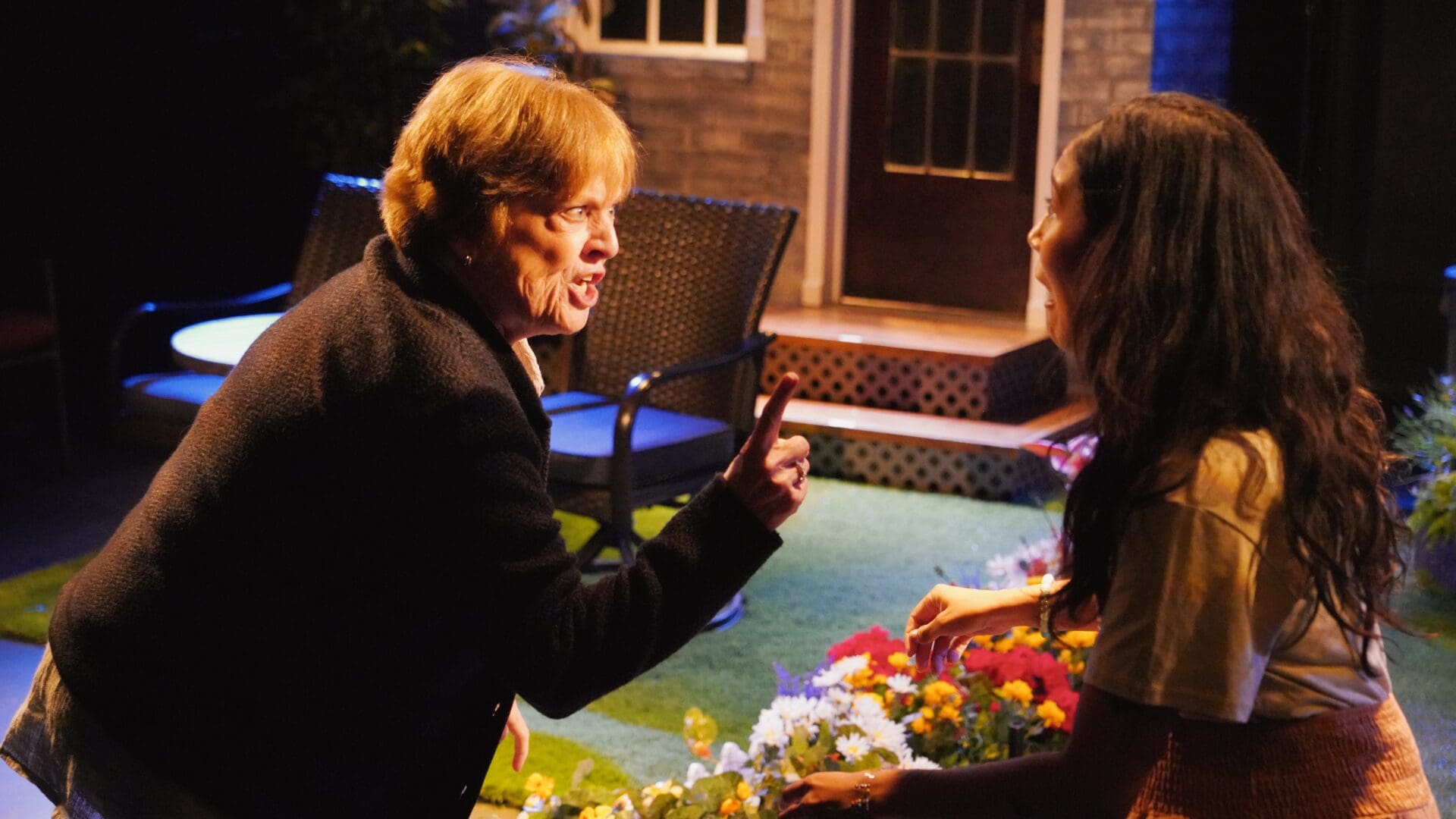
Suzy Krueckeberg and Emely Cuestas
All four actors are so goddamn delightful that it’s almost a problem. You don’t want any of them to be upset. It’s a problem with the script too. Zacarías has beautifully crafted four people who are fundamentally decent, kind folk and placed them in a situation where one pair is almost entirely in the right. Even with the sharply written arguments, it’s hard not to take sides.
Stuck with four charming characters and an impossible situation, Zacarías cheats and uses one of the hoariest tropes to untangle the knots. It’s fairly predictable but executed so well that she gets away with it. She also gets away with a ludicrously positive and uplifting epilogue that gives every character almost exactly what they want. It’s beyond unrealistic, but I didn’t care. I want all four of these people to live happily ever after. Realism be damned.
✦ ✦ ✦ ✦ ✦ ✦ ✦ ✦ ✦ ✦
photos by Camelia Patrón
Native Gardens
Theatre EVOLVE
The Den Theatre, 1331 N. Milwaukee Ave. in Chicago
Thu–Sat at 7:30; Sun at 3
ends on July 18, 2026
for tickets (pay what you can), visit Theatre EVOLVE
for more shows, visit Theatre in Chicago
✦ ✦ ✦ ✦ ✦ ✦ ✦ ✦ ✦ ✦
