


Areas We Cover
Categories

THE BEST PERFORMANCES LEAVE A LASTING EMOTIONAL IMPACT
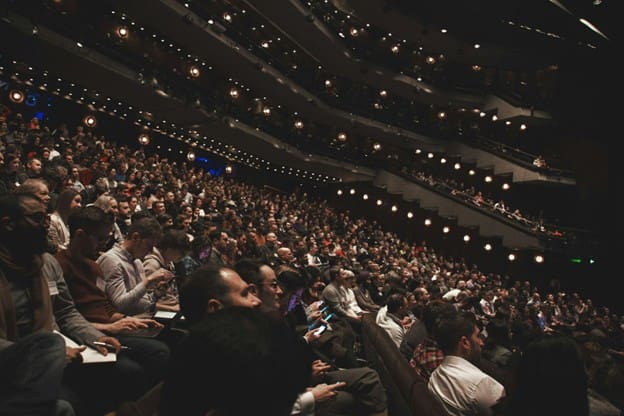
Some performances entertain us for two hours before gradually fading from memory. Others stay with us for years, influencing how we think about courage, love, loss, resilience, or hope long after the credits have rolled. Whether the story unfolds on a theater stage, in a television series, or on the big screen, the most memorable performances succeed because they create an emotional connection rather than simply showcasing technical skill. Audiences may forget every plot detail, but they often remember the expression on an actor’s face during a pivotal scene, the vulnerability in a quiet conversation, or the conviction behind a powerful speech.
Great performances are built on authenticity. They encourage viewers to see themselves in fictional characters and to experience emotions that feel remarkably genuine. As storytelling continues to evolve across different forms of entertainment, the ability of talented performers to create empathy remains one of the defining qualities of unforgettable cinema and theater.
Authentic Characters Create Stronger Emotional Connections
Audiences rarely connect with perfection. Instead, they respond to characters who struggle, make mistakes, and gradually evolve throughout a story. A convincing performance allows viewers to understand not only what a character is doing but also why those choices matter emotionally.
Actors who fully inhabit their roles communicate through subtle gestures as much as dialogue. A brief pause before answering a difficult question, a hesitant smile during a joyful reunion, or visible uncertainty during moments of conflict can reveal more than lengthy monologues. These understated details make fictional characters feel believable, allowing audiences to invest emotionally in their journeys.
When authenticity becomes the foundation of a performance, viewers often find themselves reflecting on those characters long after leaving the theater because the emotions portrayed feel strikingly familiar.
Physical Expression Often Speaks Louder Than Dialogue
Outstanding performers understand that storytelling extends far beyond spoken words. Body language, posture, movement, and facial expressions communicate emotional depth that dialogue alone cannot always achieve. A character’s confidence may be revealed through purposeful movement, while grief or exhaustion may be communicated through the smallest physical details.
Preparing for physically demanding roles also requires remarkable discipline. Whether portraying athletes, dancers, historical figures, or individuals recovering from injuries, actors frequently spend months studying movement patterns that accurately reflect their characters’ experiences.
Organizations such as https://walkinpets.com/ highlight the importance of mobility support for pets experiencing injuries, neurological conditions, or age-related challenges through products designed to improve everyday movement, including adjustable dog wheelchairs. Although serving an entirely different purpose than performance training, this emphasis on realistic movement reflects a broader truth shared across many disciplines: how someone moves often communicates just as much as what they say. That same attention to authentic physical expression helps actors create performances that audiences immediately recognize as genuine.
Great Supporting Performances Elevate the Entire Story


Award-winning lead performances often receive the greatest attention, but memorable films and stage productions are rarely built by a single individual. Supporting actors frequently provide emotional balance, introduce humor during tense moments, or challenge protagonists in ways that strengthen the overall narrative.
These performances succeed because they feel fully developed rather than existing solely to advance the main storyline. Even characters with limited screen time can leave a lasting impression when portrayed with sincerity and purpose. A mentor, rival, family member, or close friend may become just as memorable as the central character if their motivations feel authentic.
The strongest ensembles create relationships that appear effortless, making conversations, disagreements, and moments of reconciliation feel like genuine interactions rather than carefully rehearsed scenes.
Emotional Performances Continue Resonating Across Generations
Many of the world’s most celebrated performances remain influential decades after their original release. New audiences continue discovering classic films because universal emotions transcend changing fashions, technology, and cultural trends. Love, sacrifice, fear, determination, and redemption remain deeply relatable regardless of when a story was created.
Modern filmmaking techniques undoubtedly enhance visual storytelling, yet emotional honesty continues to distinguish exceptional performances from merely impressive productions. Spectacular special effects may attract audiences initially, but it is often the human element that inspires repeat viewings and enduring admiration.
As younger generations discover classic performances alongside contemporary releases, they experience the same emotional responses that captivated audiences years earlier, demonstrating that authentic storytelling remains timeless.
Lasting Impact Comes From Making Audiences Feel Something Real
The performances remembered most fondly are rarely those featuring the loudest speeches or the most dramatic action sequences. Instead, they are the ones that invite audiences to empathize with characters facing meaningful challenges and believable emotions. Viewers become invested because they recognize aspects of themselves, their relationships, or their own experiences within the story.
This emotional connection often explains why certain films become personal favorites despite changing tastes or evolving cinematic trends. A powerful performance can inspire conversations, encourage self-reflection, and even shape how audiences think about resilience, compassion, or personal growth. That influence extends well beyond entertainment itself.
Ultimately, the greatest performances leave a lasting emotional impact because they remind us that compelling storytelling is rooted in genuine human experience. Long after memorable scenes have ended and the final credits have disappeared, the emotions they created continue to resonate, proving that authentic performances possess a remarkable ability to connect people across generations, cultures, and countless different life experiences.
