


Areas We Cover
Categories

BEYOND THE PLAYBILL: TURNING A SCENE INTO SOMETHING YOU CAN KEEP
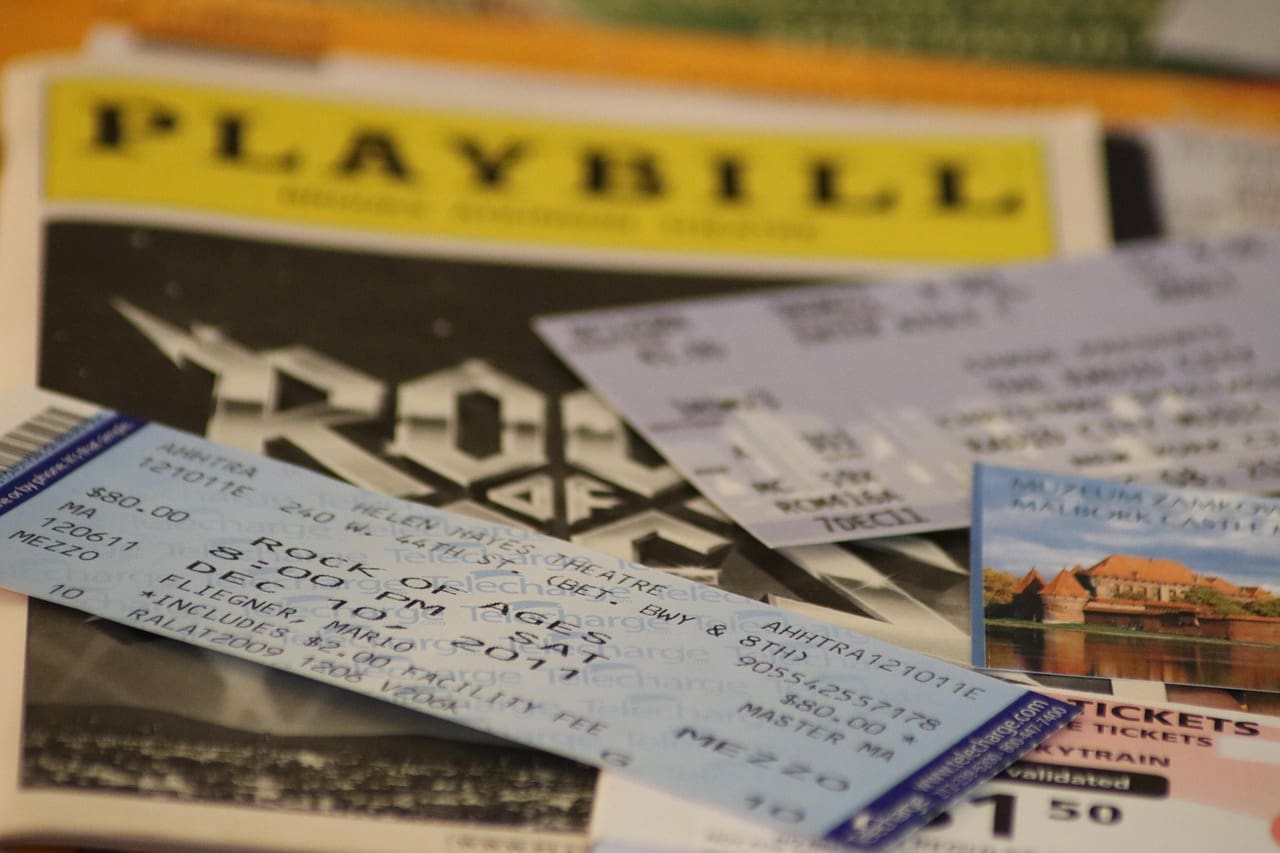
A ticket stub fades and a programme yellows in a drawer. For the performances that stay with us, there are better ways to hold on to the image.
Everyone who loves the stage or the screen collects, whether they admit it or not. The drawer of old programmes, the shoebox of ticket stubs, the phone full of curtain-call photos taken in defiance of the ushers. We keep these fragments because a great performance leaves a residue, an image that outlasts the run. The problem is that the fragments themselves are fragile. Paper fades, stubs get lost, and a photo buried in a camera roll might as well not exist.
There is a case for treating the image the way you would treat any piece of art you admire: giving it a permanent, physical form. Not a poster, which is mass produced, but something singular that holds the exact frame that mattered to you. A student production a friend was in, a portrait of a performer at the height of a role, a still that captures the one scene you keep describing to people who were not there.
Portrait as object
Photographic images engraved into glass sit in an interesting place between a photograph and a sculpture. The picture is etched into a clear panel rather than printed on a surface, so it catches light, holds a shadow, and reveals detail differently depending on where you stand. That quality suits dramatic material especially well. A portrait rendered this way has weight and presence, the way a strong lighting design gives a scene weight on stage.
For a headshot, a production still, or a favourite frame, etched pictures turn a two dimensional image into a display piece that belongs on a shelf or a mantel rather than in a drawer. The square format reads cleanly, framing a face or a scene without competing with it, which is exactly what you want when the image itself is the point.
The right gift for theatre and film people

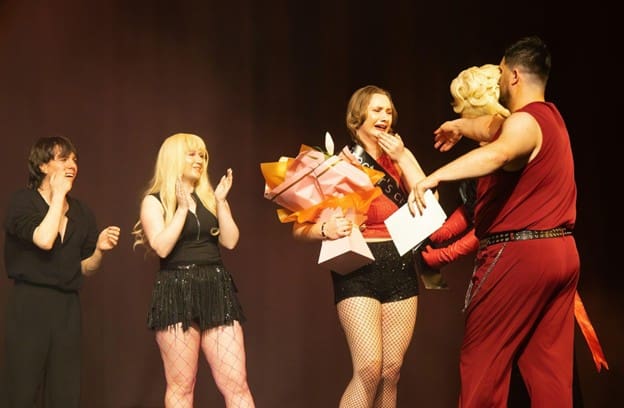
This also solves a perennial problem: what to give the actor, director, or dedicated fan who has seen everything. Flowers wilt and another mug gets lost in the cupboard. A well chosen image made permanent is different. Mark a closing night with a still from the show. Celebrate a director with a frame from their favourite sequence. Give a lifelong cinephile the one shot from the one film they never stop talking about. The specificity is the gift.
Performances are temporary by design, which is part of what makes them precious. You cannot keep the night itself. You can keep the image that stands in for it, and you can keep it in a form worthy of the work. For the scenes and portraits that stay with you long after the house lights come up, that is a far better home than a fading stub in the back of a drawer.
