


Areas We Cover
Categories

THE EVOLUTION OF PROSTITUTION IN GERMANY REFLECTED IN CINEMA
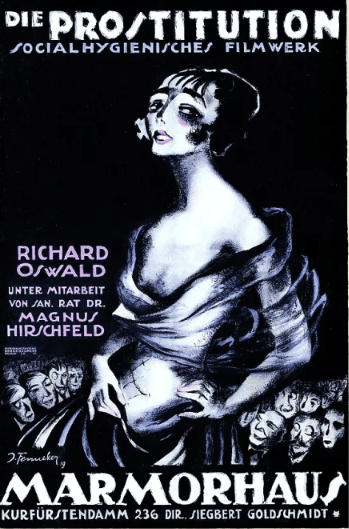
When we Americans look to Europe, we often see old castles, fast highways, and good beer. For us, Germany is considered the land of clever engineers and very clear rules. But there is one aspect of daily life that repeatedly surprises us and challenges our strongly puritanical views. It is the completely open and legal approach to commercial love. While we rigorously punish sex work in the United States and push it into the dark underground, the women over there work quite officially. German cinema offers a particularly honest and direct look at this reality. Directors in Germany often show life in the red-light district without false shame and document the evolution of this profession very precisely.
For American viewers, it is extremely fascinating to observe how the working methods of the women have changed on screen. In old films, the actresses froze at night in the rain on street corners, waiting for hours for passing cars. Today, real sex workers organize their daily lives much more efficiently via the internet. Direct communication via computers and smartphones completely replaces the unsafe waiting on the streets. A prostitute today naturally uses sites like hot.de to coordinate her appointments and make binding arrangements with clients. This major shift from the unsafe streets to a protected space is a central theme of many current documentaries.
The Rough Beginnings in Early Black-and-White Film
In the films of the 1920s, the image of the whore was often characterized by deep tragedy. The cameras showed the very hard life in the dark alleys of Berlin or Frankfurt. The women worked in simple flophouses or direct walk-in brothels (Laufhäuser) that were damp and poorly heated. The cinema of this time captured the bitter poverty that drove many women into sex work in the first place. For us Americans, who are used to consistently clean Hollywood productions, these old German films often seem very harsh and unvarnished. The camera focused exactly on where it hurt, showing sex as a pure means of survival.
In doing so, European filmmakers dispensed with any romance. There were no rescuing millionaires like in American fairy tales. The actresses in these early works portrayed hard-working women who had to hold their ground in a cold society. They negotiated their prices directly at the wooden door of the brothel and protected each other from violent johns. This honest portrayal laid the foundation for a cinematic realism that still strongly distinguishes European cinema from Los Angeles productions today.
The Economic Boom and the Erotic Studio
With the growing prosperity in the 1950s and 1960s, the image of sex work in German film also changed significantly. The great misery of the post-war period slowly disappeared from the movie theaters. Instead, the cameras now showed well-kept erotic studios and elegant bars. The prostitute became a well-dressed businesswoman receiving her clients in plush rooms with heavy carpets. Films from this era focus on the newfound wealth of the clients, who spent a lot of money on expensive cigars, champagne, and also on female companionship.
This phase in cinema documents the beginning of a true service culture in sex work. It was no longer just about quick physical satisfaction in the backseat of a car. Clients desired time, good conversation, and attention. The film now showed well-trained escorts who accompanied businessmen to large dinners and were subsequently booked for discreet hours. This shift indoors made the work significantly safer and gave directors a great opportunity to stage complex dialogues between the service provider and her guest.

Special requests and costumes are just as much in demand in the escort sector as in elaborate film scripts.
Geographical Hubs and Their Cinematic Impact
When cameras capture prostitution, they often focus on specific geographical hubs in the country. For their shots, directors deliberately seek out locations that have dense urban infrastructure and attract many travelers. Particularly large port cities in the north of the country historically offered exactly these perfect conditions. Sailors came ashore after long voyages and, after months on the water, urgently needed entertainment, cold alcohol, and physical closeness. This geographical and economic concentration created globally known streets where pleasure was bundled.
A very prominent example in German film is the Reeperbahn, which provides a perfect backdrop with its glaring lights. Camera crews skillfully capture the special dynamic between the large FKK clubs, the small pubs, and the passing masses of tourists. These places serve not only as a rigid background but function in many scripts as completely independent characters. The densely built architecture of these streets gives the film its very own rhythm and shows the close gathering of diverse human fates.

A symbol of prostitution in Germany: The Reeperbahn.
Documentary Realism in Modern Cinema
Today, German cinema has developed a very objective view of sex work. Modern independent films and documentaries thoroughly dispel the last false myths. They accompany real women in their everyday lives, which often seem surprisingly normal. The American viewer sees how the sex worker calculates her taxes, plans her appointments precisely, and spends coffee breaks with her colleagues in the walk-in brothel. This sober observation of everyday professional life is often hard to grasp for an American audience, as the moralizing finger is completely absent in these films.
Modern films in which prostitution in Germany is addressed show the actions exactly as they happen in reality. A client pays for sex or oral sex, the booked time runs out, and afterward, both go their separate ways again. It is a clear transaction that is handled highly professionally. This objectivity removes the artificial heaviness from the topic. By documenting the normal everyday working lives of the women, directors ensure that this work is perceived as a regular profession. German cinema thus impressively proves that it is possible to tell stories about the body and commercial love without descending into cheap kitsch or heavy drama.
