


Areas We Cover
Categories

5 ESSENTIAL FEATURES TO LOOK FOR IN A STAGE RENTAL FRANCE COMPANY
by Matthew Reddin | July 28, 2026
in Technology, Theater
France is home to some of the world’s biggest events, from the prestigious Ballon d’Or to the Paris Fashion Week. Since global events are already the norm in this beautiful country, the stakes are high for stage rental companies.
Setting up a major concert, award show, or festival in France takes a lot of work. The stage is the most important part of the whole setup since the main attraction happens on it.
If the stage is below par, the crowd won’t enjoy the performances and the entire show. In the worst case, the whole structure could collapse.
Because building giant metal structures in public is highly regulated here, finding a safe company is even more important. Here are the five key features to check for elegance and safety when selecting a stage rental company in France.
-
Strict Compliance with French Safety and Rigging Regulations
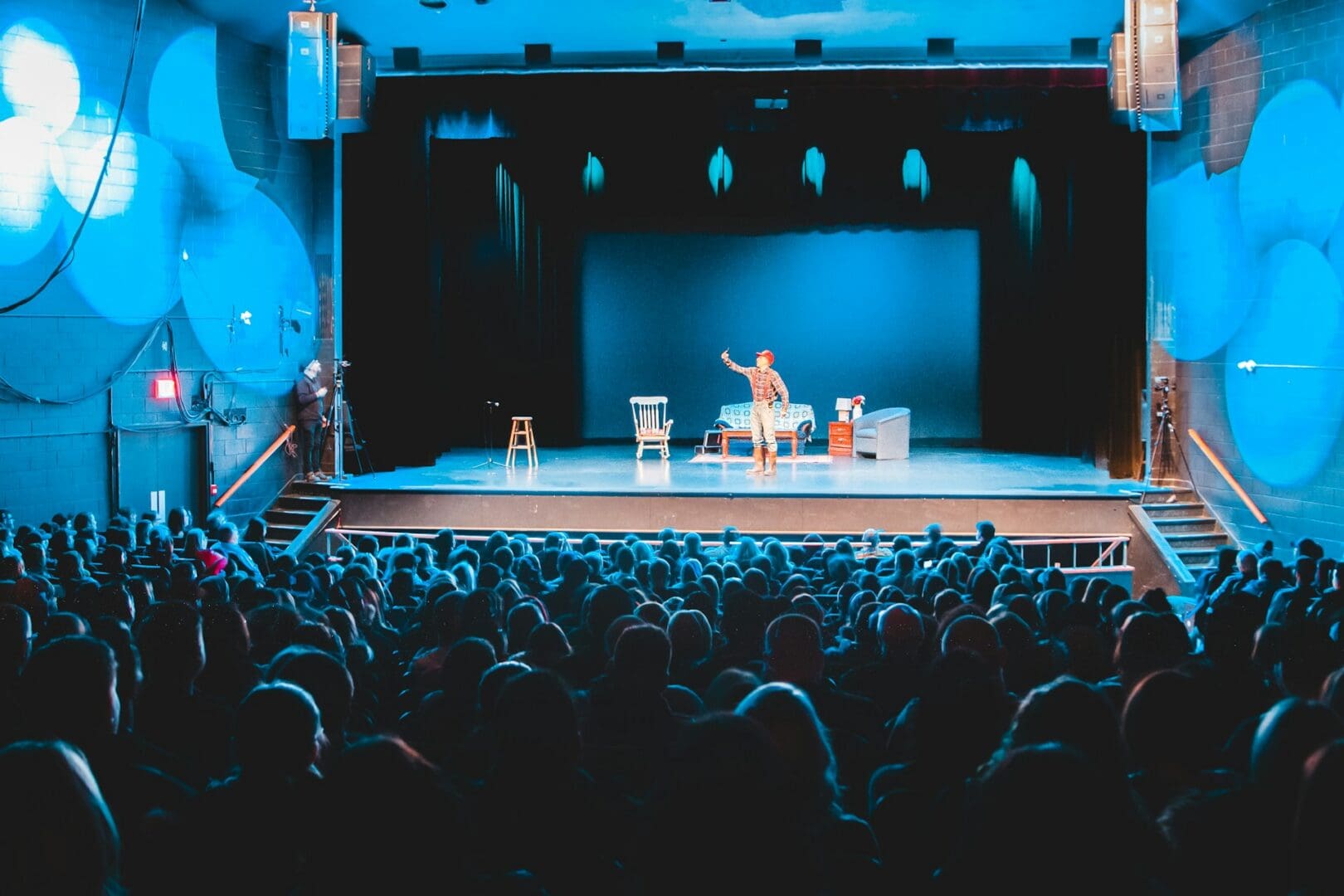
The French Government’s Safety Rules for Public Establishments (ERP) guide temporary outdoor setups. These rules make sure that temporary stages, tents, and metal roofs do not collapse on people.
However, a stage must hold a massive amount of weight from heavy speakers, bright lights, and jumping band members. As a result, the rental company must present official engineering papers (notes de calcul). These documents prove that the metal beams and wooden floorboards have been tested to support heavy loads.
While securing essential compliance documents is crucial, you also want to take the weather conditions into account. Wind is a major challenge for outdoor stages. In places like the south of France, strong winds can easily blow a stage roof away.
So, look for modern curved arc roof systems that are engineered to handle strong wind gusts of up to 90 km/h, even when the roof is towering nearly 6 meters high.
-
On-Site Logistics and Certified Technical Assembly
Considering the safety and financial implications, building a stage is not a job for amateurs. Only trained crews who know how to lock heavy metal beams together should handle it.
Choose a stage rental France company with enough experience to handle the entire process, including transporting the stage, building it, ensuring its safety, and taking it down after the show.
Prioritizing smart staging designs can save you a lot of time and labor. For example, a modern outdoor stage should only take 2 crew members about 2 hours to build fully. This is a huge shortcut compared to old-fashioned festival stages that require 8 to 10 workers sweating for hours.
Besides experience, the build crew must have state-recognized safety certifications, like the Monteur de structures mobiles, for assembling mobile structures. You may review these certifications at the French National Directory of Professional Certifications (France Compétences) before hiring.
Transporting the tools to and from the venue is also a skill only the best can pull off. Getting the equipment to the venue is tricky in France because many towns have very narrow stone streets.
Big trucks cannot fit down these roads, so the rental company must provide smaller flatbed trucks and cranes. They will also need to apply for special city permits to park and unload the gear without issues with local police.
-
Modular Staging Systems and Diverse Inventory Options
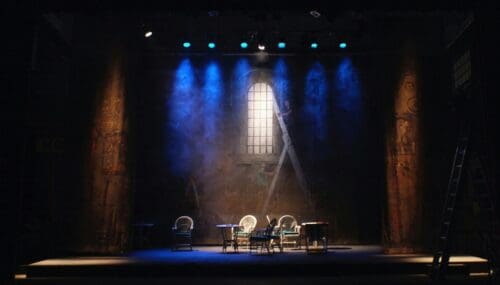
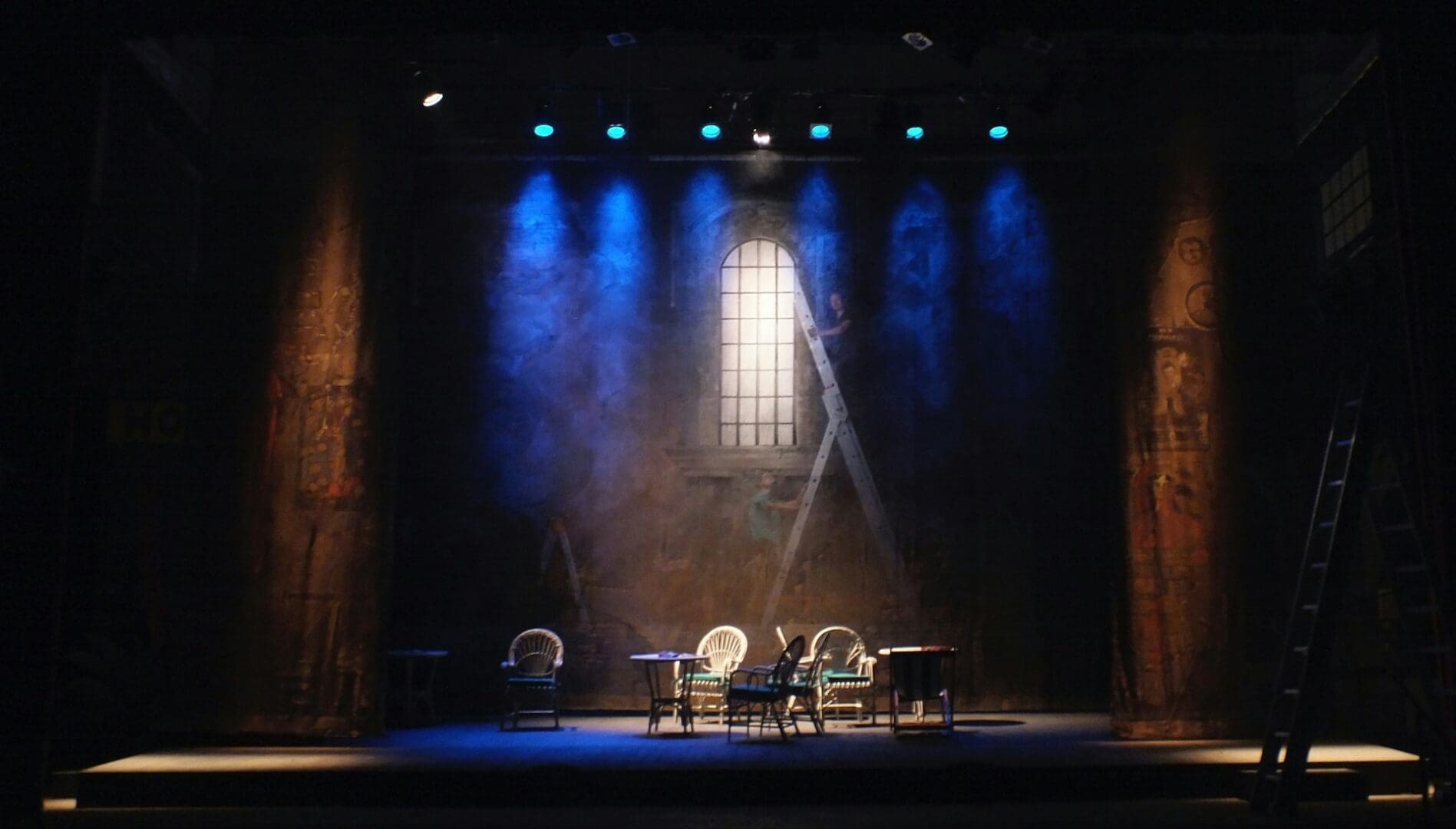
Rental companies mainly use modular stage decks, or practicables de scène, as they are called in France. Leading creative companies use industry-standard panels, such as the 2-meter by 1-meter and 1-meter by 1-meter squares. They can combine these in various fun configurations, like half-rounds or circular stage shapes, without paying for expensive custom-made stages.
Ultimately, the crowd size and performance genre determine whether to scale the stage up or down:
- Small Events (Up to 80 guests): A modest 4-meter by 2-meter platform is perfect for a DJ setup, speech platform, or a simple ceremony.
- Medium Live Bands (80 to 200 guests): A 5-meter by 3-meter stage (usually set at 30cm or 40cm high) gives a band enough space to perform without taking up too much room in the venue.
- Large Galas and Festivals (Over 150 guests): Organizers can tier giant 8-meter-by-4-meter stages with different step heights of 10cm, 20cm, 30cm, or 40cm. This multi-level aesthetic is suited to awards, TV shows, or high-end social media videos.
-
Transparent Pricing and Local Site Visits
Renting a stage is not always cheap, especially if there are hidden fees you don’t know. To avoid overpaying, work with transparent rentals. Ethical rentals provide a professional price quote that shows the exact cost of the gear, truck delivery, worker hours, and insurance.
Regular small stage setups can go for a few hundred euros, while large festival stages with covered roofs can range upwards of a few thousand euros if complex.
Before paying a fee, a technical expert from the company must visit the venue in person. During this visit, ensure that they ask these three questions:
- How flat is the ground?
- Can the surface support a heavy metal structure?
- Are the roads wide enough for the delivery trucks?
- Are there low bridges in the way?
- Is there a power source close by?
- Do they need to bring a loud generator?
A site visit prevents major mistakes on the day of the show.
-
Seamless Integration with AV, Lighting, and Power Infrastructure
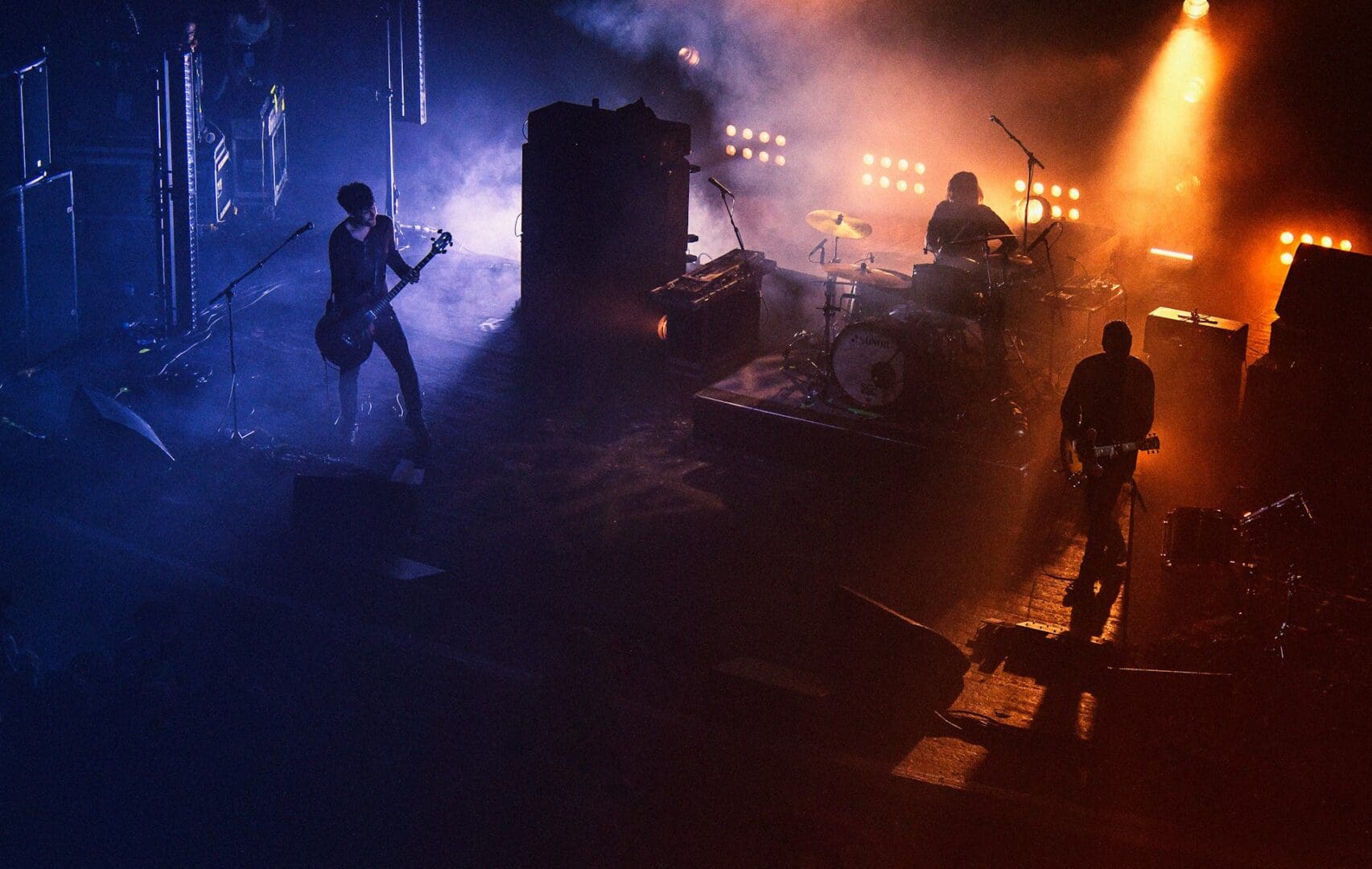
A stage is only the starting point. After installing the wood and metal, other teams have to attach the sound, video screens, and lights. The stage company must now make sure their structures are ready for the extra gear.
Check how much weight the roof can conveniently support. A strong stage roof should have a payload capacity of at least 1,000 kilograms so the lighting crew can hang tons of moving spotlights and lasers.
You should consider these extra features as well:
- Side PA Wings: Innovative metal wings mounted on the sides, each rated for 300 kilograms. They can safely hold professional line-array speakers high up.
- LED Screen Mounting: The stage setup must support large LED video walls, such as the giant 6-meter by 4-meter screens at the back of the stage or vertical screens on the side wings.
- Cable Paths: There must also be hidden paths under the stage floor for electric cables to run through to prevent accidents.
Bottom Line
Picking a stage rental company in France is all about balancing safety and planning. A company with the correct French safety permits, trained staff, and structures that work well with sound and lighting can guarantee a safe event.
You must check these five features to keep the performers safe on stage and keep the show running smoothly. Don’t risk your event’s integrity or the attendees’ safety by looking for ridiculously cheap services. The best stage rental companies in France aren’t just exceptionally skilled; they also make sure you get your money’s worth.
