


Areas We Cover
Categories

THE DRAMA BEHIND POKER GAMES
by Brandon Metcalfe | July 30, 2026
in Uncategorized
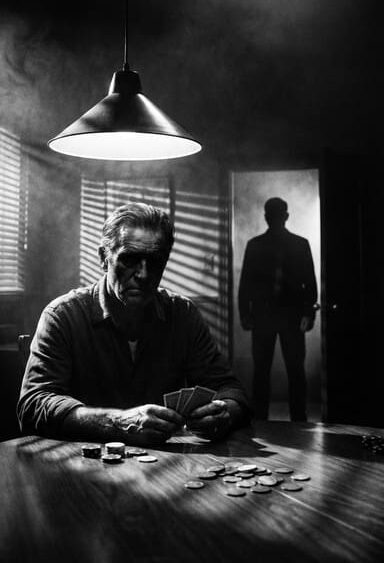
The allure of poker games lies not only in the quiet click of chips and the shuffle of cards but in the layers of tension mounting beneath each move. On stage and screen, poker is rarely about the cards—it’s about power, personalities, and unpredictable twists. The dramatic dynamics that unfold at the poker table mirror the best theatrical performances: a battle of minds, hidden motivations, and stakes much greater than money. Let’s delve into the compelling drama making poker games irresistible not just for players, but for audiences around the world.
The Poker Table as a Stage
Every poker tournament or home game quickly transforms into a miniature theater. The felt table becomes a stage where characters express ambition, resilience, and raw emotion with every hand. An experienced player knows that the real game is happening beyond the cards—the art of reading one’s opponents, feigning confidence, or masking nerves. Just like in a suspenseful play, the audience is drawn to every subtle gesture, hesitant pause, or sly smirk, analyzing what might spill out next.
In cinema, directors often use poker scenes to crystallize tension. Whether it’s the cool calculation of Paul Newman in “The Sting” or the psychological warfare in “Casino Royale,” this tension is choreographed with pinpoint precision. The drama doesn’t hinge solely on who wins the pot, but on how each player manages their mask or lets it slip, if only for a second—a universal theme in both theater and gambling.
Emotional Stakes and Human Conflict
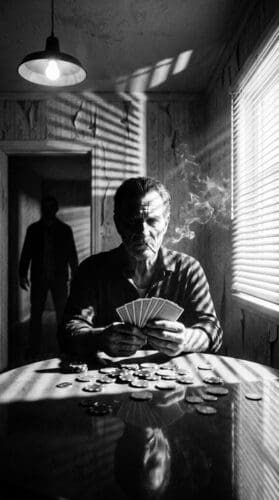
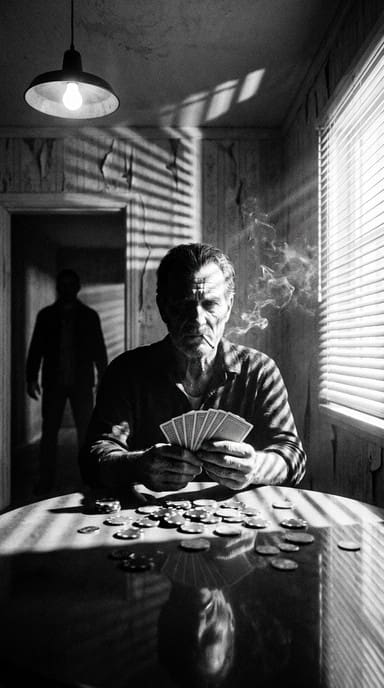
Poker’s drama often arises from the collision of personalities. At the table, you might find the bluffer, the skeptic, the optimist, and the stoic—each with different backgrounds but united in a quest for dominance. Human conflict takes center stage as strategies collide and motives are questioned. The stakes remain high, not just because of cash or chips, but because every round can threaten one’s reputation, composure, or even identity. This inner turmoil is echoed in stories that use poker as a metaphor or battleground. In film and theater, a well-crafted poker scene can reveal desperation, greed, honor, or redemption. The table becomes a crucible where characters are tested, sometimes pushed to the edge. Even for those new to poker, the psychological dance—full of risky bluffs, forced smiles, and sudden outbursts—heightens the suspense and invites empathy from viewers.
The Social Ritual of the Game
Beyond cinematic or dramatic portrayals, the real-life poker table is a social stage where drama unfurls naturally. Each session develops its own narrative—from the introduction of newcomers to the grudges of old rivals, every round helps shift alliances and perceptions. Stories shared during breaks, chips exchanged in silence, or jokes made after a big win all contribute to an atmosphere brimming with unspoken tension and complex relationships. What distinguishes poker from other games is the ritualistic nature of the gathering. Players often remember not just the hands played, but the dramatic arcs—unexpected comebacks, humiliating losses, or uncharacteristic mistakes. The slow build of anticipation with each bet and raise fosters a unique community dynamic, where humility and bravado alternate in unpredictable turns. As the night wears on, the layers of pretense and strategy may peel away, leaving the raw emotion and suspense that make every poker game a living, breathing drama.
