


Areas We Cover
Categories

WHAT A BAD PART TAUGHT ME ABOUT GOOD ART
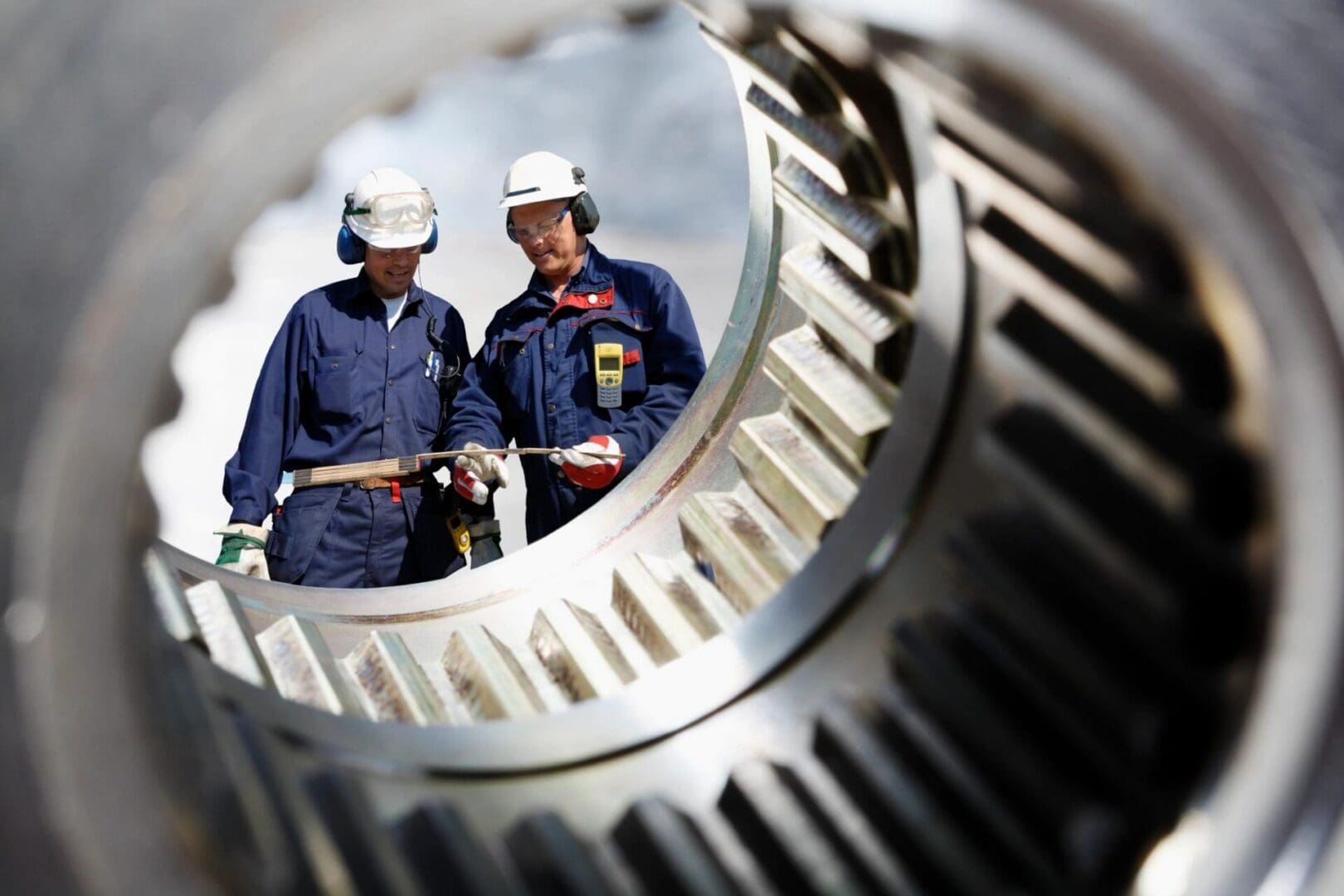
In my garage is a box I can’t throw away. It’s on a shelf between old books and a broken lamp that’s always been meant to be fixed. Within it are bad parts. Wrong dimensions. Ugly finishes. Threads which are not comfortable. Each one was to be the one that would work. All of them had some lesson they had to teach me that I didn’t want to learn. The majority of them were from stores that could claim to offer quality, but failed to deliver it. What I ended up learning was the importance of finding a better supplier, not just that. What was important was to learn how to distinguish a process from a craft.
The Curator’s Eye
My mother was an art teacher. She dragged me through museums my entire childhood. I complained constantly. I wanted to be outside, not standing in quiet galleries staring at paintings of people who’d been dead for centuries. But something stuck.
I remember standing in front of a Rembrandt once, watching the way light seemed to pool on the canvas from somewhere inside the painting itself. It wasn’t just paint on a surface. It was depth. It was intention. Every brushstroke was a decision. Every layer of glaze was a choice. The painting wasn’t just “correct.” It was right.
Years later, I saw the unfinished slaves by Michelangelo, in Florence in a museum. They’re very rough, and they’re just barely poking out of the marble. Chisel marks are visible. It’s possible to observe the artist’s stopping points, where he felt the form was ready to be finished, where he felt the sculpture was talking. He might have buffed them all to a high shine. He chose not to. The statement was made through the roughness.
That’s what I think about when I hold a part from a truly great shop. It’s not just correct. It’s right. You can feel the intention in the finish. You can see the care in the edges. Someone made choices. Someone decided where to stop, what to polish, what to leave alone. Someone understood that craft isn’t about hitting numbers. It’s about knowing when the thing is done.
The Jazz of Manufacturing
There was one time I knew a jazz musician who told me something I never could forget. We were in a very small club here in New Orleans, watching a 3 piece play standards. “Nothing is changed,” he said, “except what happens in the space between the notes – the silence, the space, the breath. That’s where the music lives.”
That’s the same thing that separates a good part from a great one. The specs are just the notes. The print is just the sheet music. What matters is what happens in the spaces. The edge that’s broken just enough. The surface finish that’s smooth but not polished to a distracting shine. The threads that feel clean and deliberate. The things that aren’t on the print.
The first shop I used didn’t understand that. They played all the right notes. Every dimension was within tolerance. But there was no breath. No silence. No attention to the spaces. The part worked, technically. But it didn’t sing.
The Theater of Collaboration
I think about this when I watch a great theater performance. The script is the script. The words are the words. But the actor brings something else to it. They interpret. They find the subtext. They breathe life into the words. They discover meaning in the spaces between them.
That’s what a good manufacturing partner does. They don’t just execute your design. They interpret it. They find the subtext. They ask questions you didn’t think to ask. They suggest changes that make the part better without compromising your intent. They discover meaning in the spaces of your drawing.
The shop that fixed my bracket understood this. They looked at my design and saw things I hadn’t considered. The sharp internal corner that would create a stress point. The thin wall that would chatter. They didn’t just flag problems. They offered solutions. They became collaborators in the process, not just processors of an order.
The Curator of Parts
A good curator doesn’t just hang paintings on a wall. They decide how the art is seen. They choose the lighting, the placement, the context. They build a story. They make the work resonate in ways the artist might not have anticipated.
That’s what the right manufacturing partner does. They take your design and curate it into reality. They choose the right toolpaths, the right finishes, the right sequence of operations. They build a process around your part that makes it not just functional, but complete.
The wrong shop is like a bad museum display. The art is there. The labels are correct. But something is off. The lighting is wrong. The pieces are crowded together. You can’t really see the work. The part is correct. The dimensions are right..
The Part That Changed Everything
I still have that bracket in my garage. The bad one. I keep it as a reminder that assumptions are expensive. That surface finish matters. That the shop you choose is the most important decision you’ll make. It’s my own personal museum piece—a reminder of what happens when craft is absent.
I also have the good one. The one from the shop that asked questions. It sits on my desk. I look at it sometimes and think about the people who made it. The engineer who flagged the stress point. The machinist that hit tolerances and left a deliberate, not accidental finish. The inspector who found a small burr and removed it prior to shipping. I have never encountered any of them. But that’s work that they did that’s sitting on my desk, and that’s proof that someone listened.
They knew that just running machines is not enough for them to offer CNC machining services. It’s all about the spaces between the lines. It’s about making choices that elevate a functional part into something more—a component that feels complete, that fits without force, that carries the quiet confidence of something made with care. They were the curators of my design. And the exhibition was a success.
