


Areas We Cover
Categories

Theater Review: APPLAUSE (The Group Rep / Lonny Chapman Theatre / North Hollywood)
by Michael M. Landman-Karny | August 2, 2026
in Los Angeles, Theater
ALL ABOUT EVE…
WITH JAZZ HANDS
Bruce Kimmel’s affectionate revival proves that
a sturdy backstage classic and a committed cast
can still earn plenty of applause, even when
there are reservations about the score
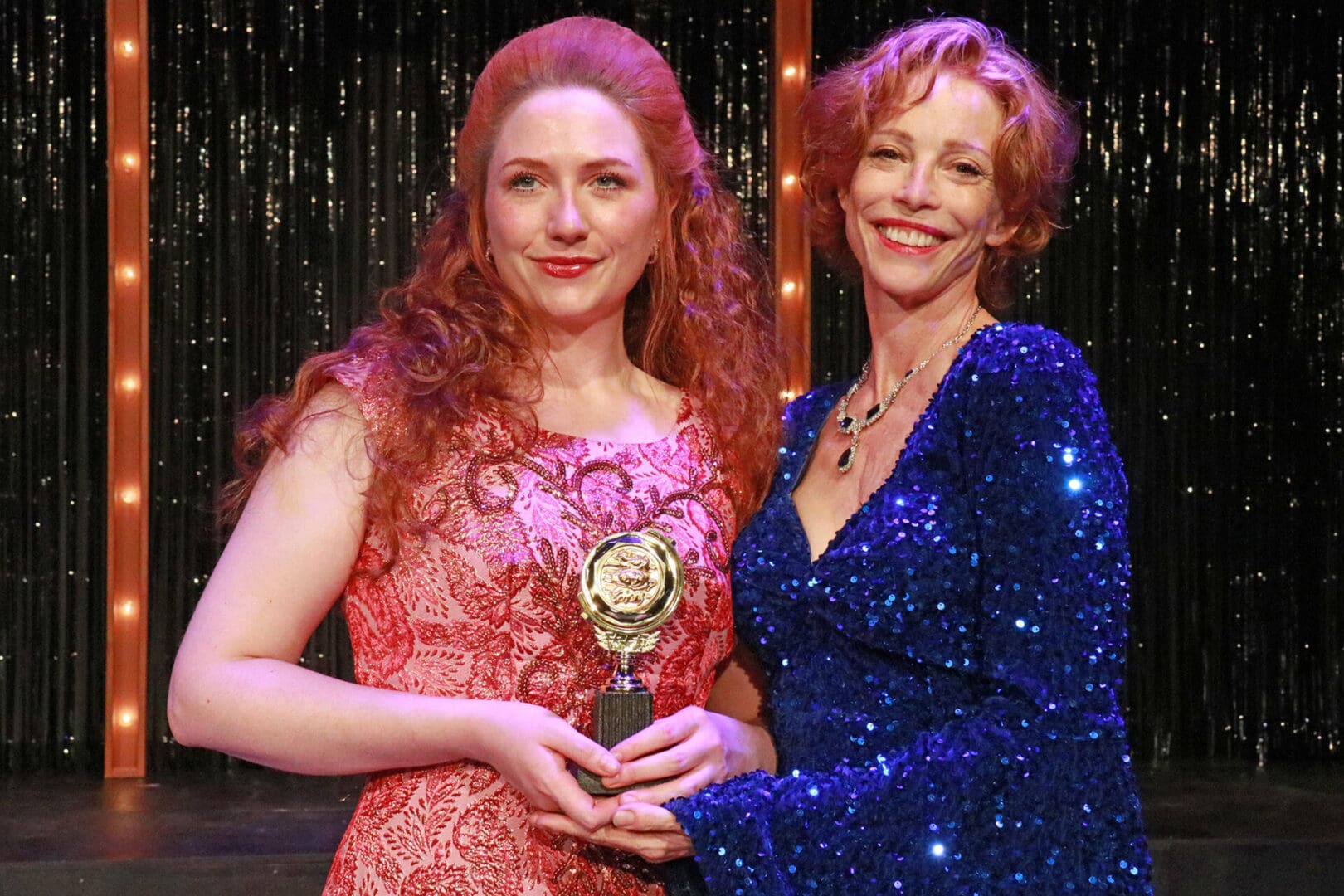
Savannah Mortenson and Leslie Stevens
Applause won the 1970 Tony Award for Best Musical. It was, unfortunately, a lackluster season, with the other nominees being Purlie (starring Melba Moore) and Coco, the bio-musical starring Katharine Hepburn. Charles Strouse and Lee Adams never matched the score they wrote for Bye Bye Birdie, and turning All About Eve into a musical was never an entirely natural fit.
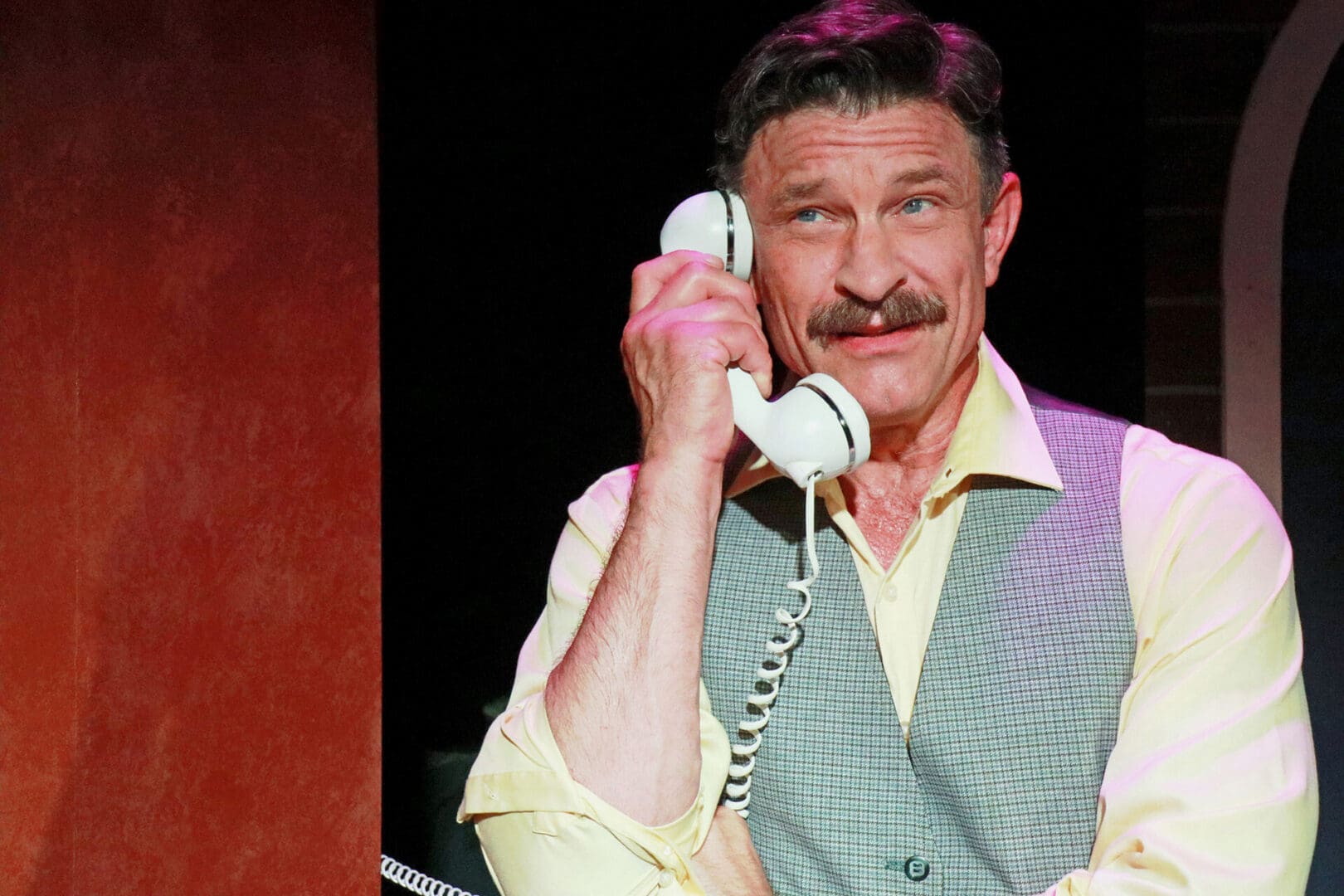
Damon Kirsche
The Group Rep’s summer revival, directed by Bruce Kimmel, squeezes every drop of juice from the material. The songs are second-tier Strouse and Adams—sturdy rather than transcendent—but they know exactly what they’re meant to accomplish, and the machinery beneath them remains nearly indestructible.
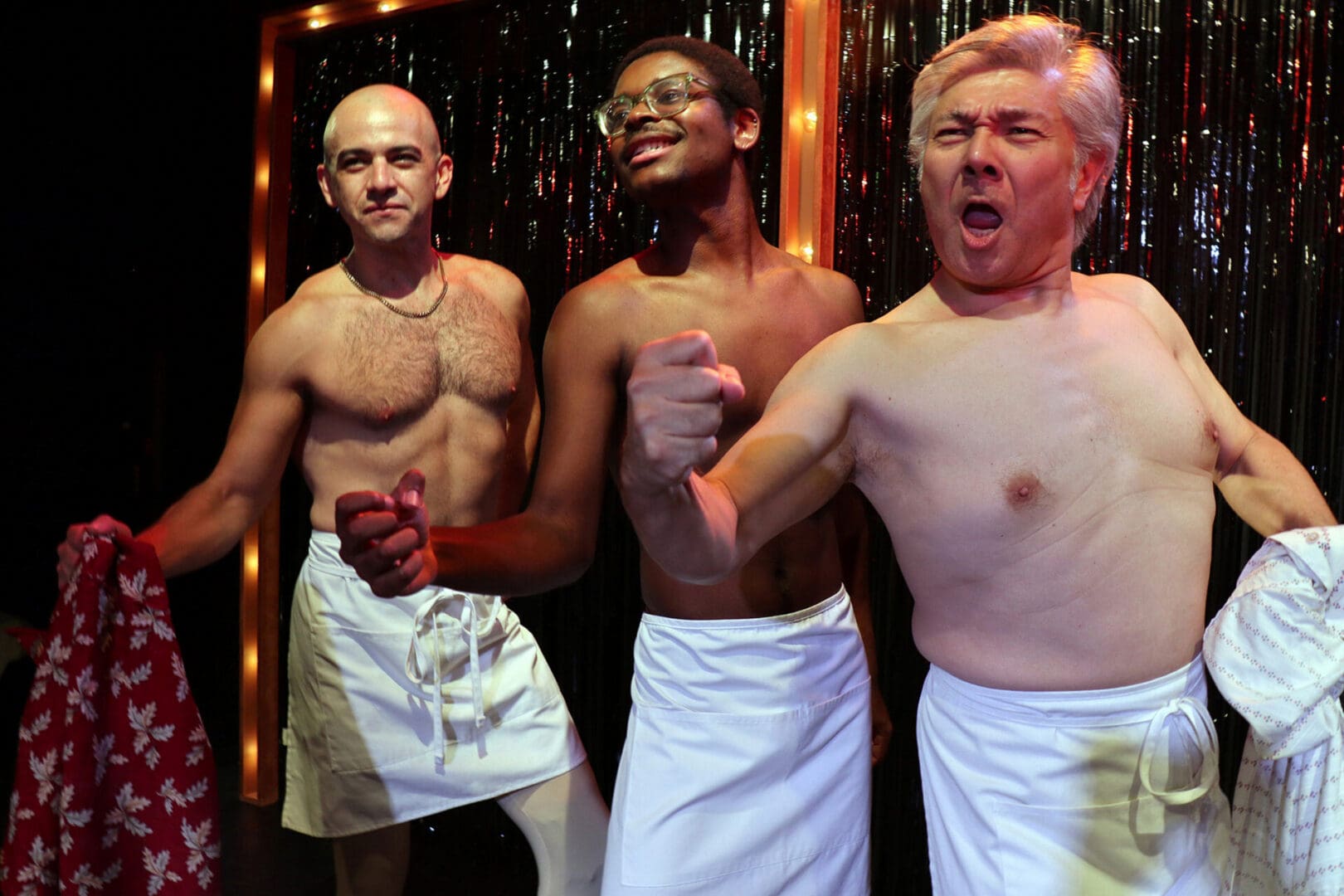
Devin Dominguez, Darrell Mondaine and Hisato Masuyama
The plot comes from Joseph L. Mankiewicz’s 1950 film All About Eve, a razor-sharp tale of ambition, vanity, and the dangers of letting an adoring stranger into your dressing room—which, as every backstage melodrama insists, is never advisable but somehow always happens. Margo Channing is a Broadway star who knows younger actresses are massing behind her like understudies with knives. Eve Harrington is the worshipful fan who enters Margo’s life professing devotion while quietly taking inventory. She wants the roles, the friends, the lover, and eventually the whole address book. It’s catty, insider theater material about ego and professional treachery, and it never goes out of style.
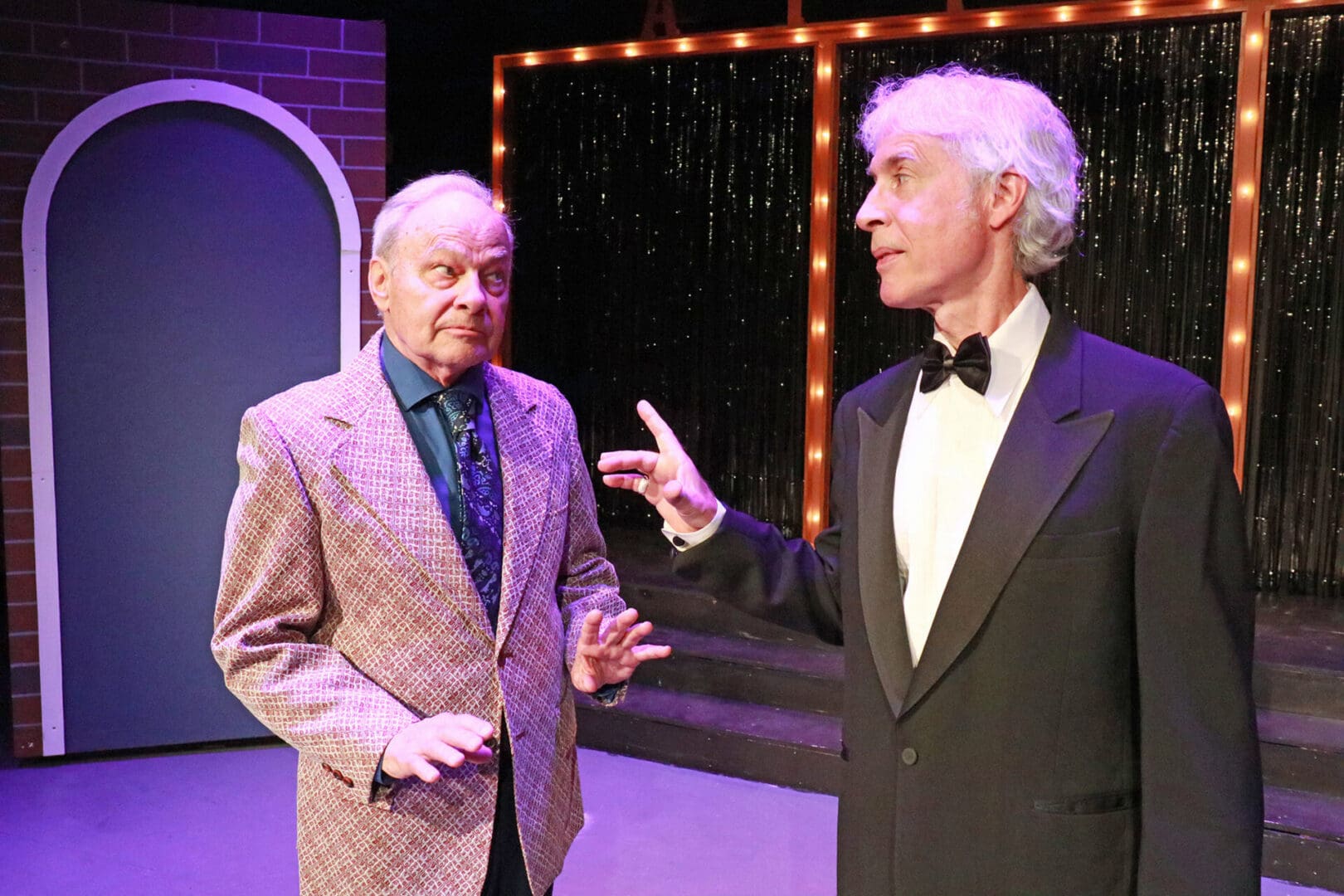
Lloyd Pedersen and Lee Grober
Betty Comden and Adolph Green updated the story to 1970 for the musical and, in the process, softened some of the film’s sharper edges. Gone is Addison DeWitt, the movie’s silky, predatory theater critic. Also, gone is Birdie Coonan, the sharp-tongued dresser for Margo. Instead we have Duane, Margo’s gay hairdresser and confidante, who trades Birdie’s cynicism for a production number—a swap that proves surprisingly worthwhile. Applause consistently favors showmanship over psychology, and it’s probably wiser for doing so.
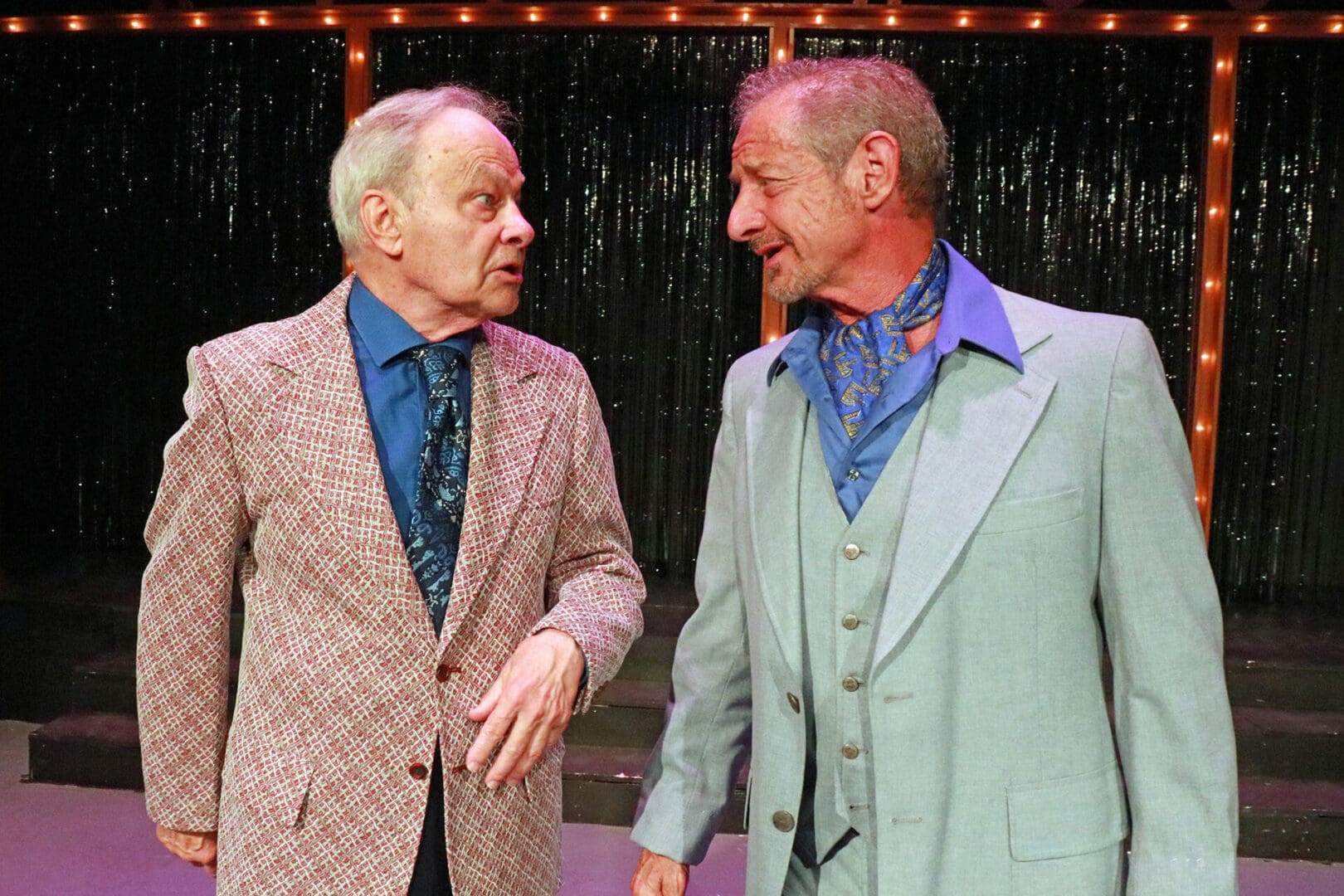
Lloyd Pedersen and Mike Sabatino
The score offers no equivalent of “Being Alive,” nor does it pretend otherwise. Instead, Strouse and Adams provide a procession of well-built numbers that reliably keep the evening moving. The title song remains the obvious standout: an unapologetic anthem celebrating the narcotic thrill of being adored by total strangers—which, let’s be honest, is the reason many performers enter show business in the first place. “But Alive” sends Margo careening through a gay bar on her opening night, while “Welcome to the Theatre” captures the musical’s affectionate, only slightly corny love letter to backstage life.
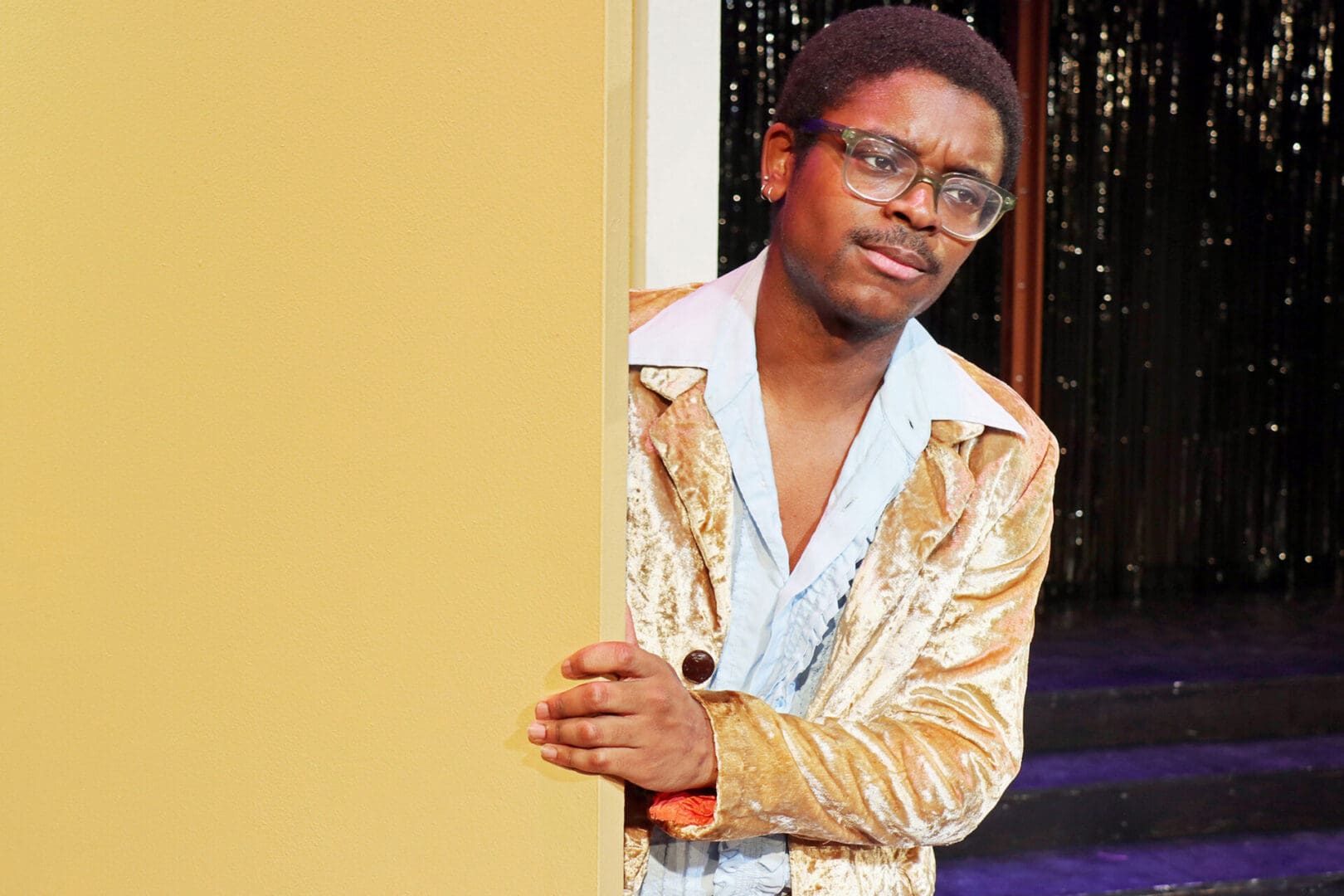
Darrell Mondaine
What the score lacks is the defining ballad that truly cracks Margo open—the song that reveals the fear beneath her bravado instead of merely announcing it. She’s aging, frightened, and furious, yet Applause generally prefers that she express those feelings elegantly rather than experience them messily.
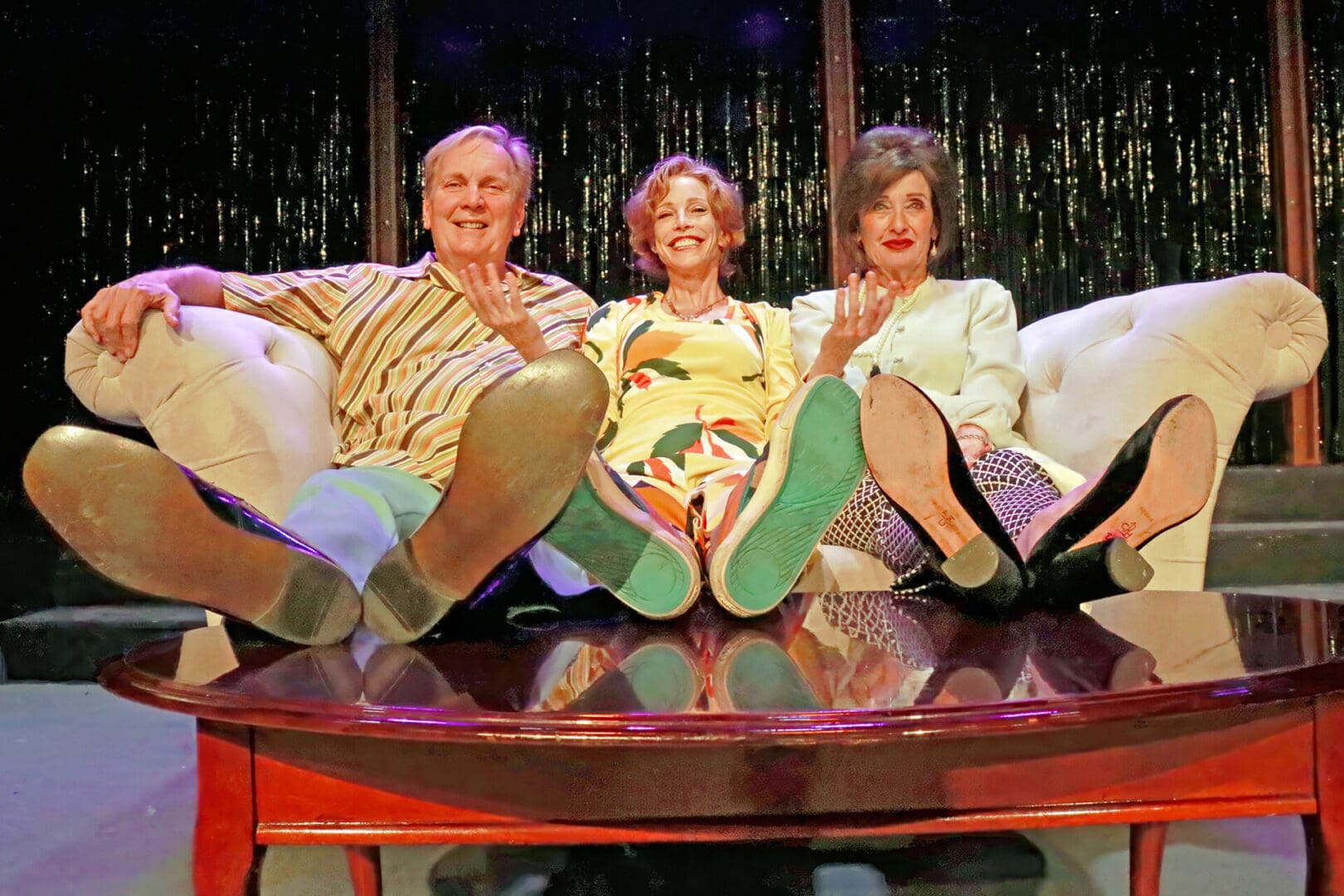
Doug Haverty, Leslie Stevens and Constance Mellors
Still, Leslie Stevens makes a compelling Margo, carrying herself with the effortless authority of a woman accustomed to rooms rearranging themselves the moment she enters. Lauren Bacall created the role on sheer nerve and hauteur; Stevens brings those qualities along with a voice that never seems taxed by the score. Her Margo remains grand without becoming museum-worthy, gradually fraying around the edges as Eve’s ambitions become impossible to ignore. She’s funniest when Margo’s instincts outrun her judgment and most affecting when she realizes applause offers no protection against time—a painfully expensive lesson to learn beneath stage lights.
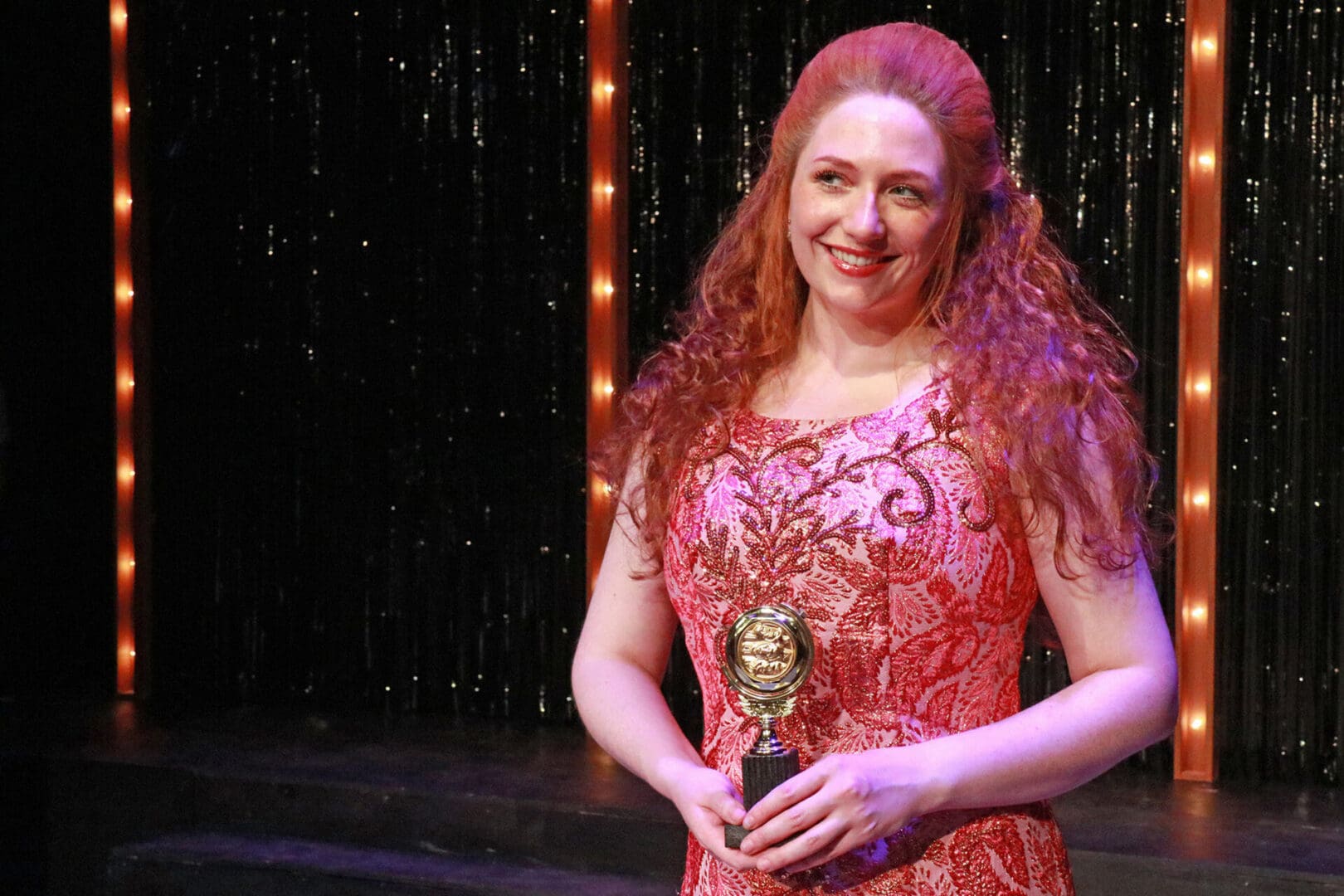
Savannah Mortenson
Savannah Mortenson makes a persuasive Eve precisely because she never tips her hand. Her early sweetness feels almost oppressively sincere, the fixed attention of someone overwhelmed by extraordinary good fortune while quietly casing the room. When the calculation finally surfaces, Mortenson allows us to see—without underlining it—that Eve’s gratitude was merely another role she was auditioning for. Her 1940s transatlantic accent (which I assume is not her natural speaking voice), however, feels at odds with the musical’s updated 1970 setting.
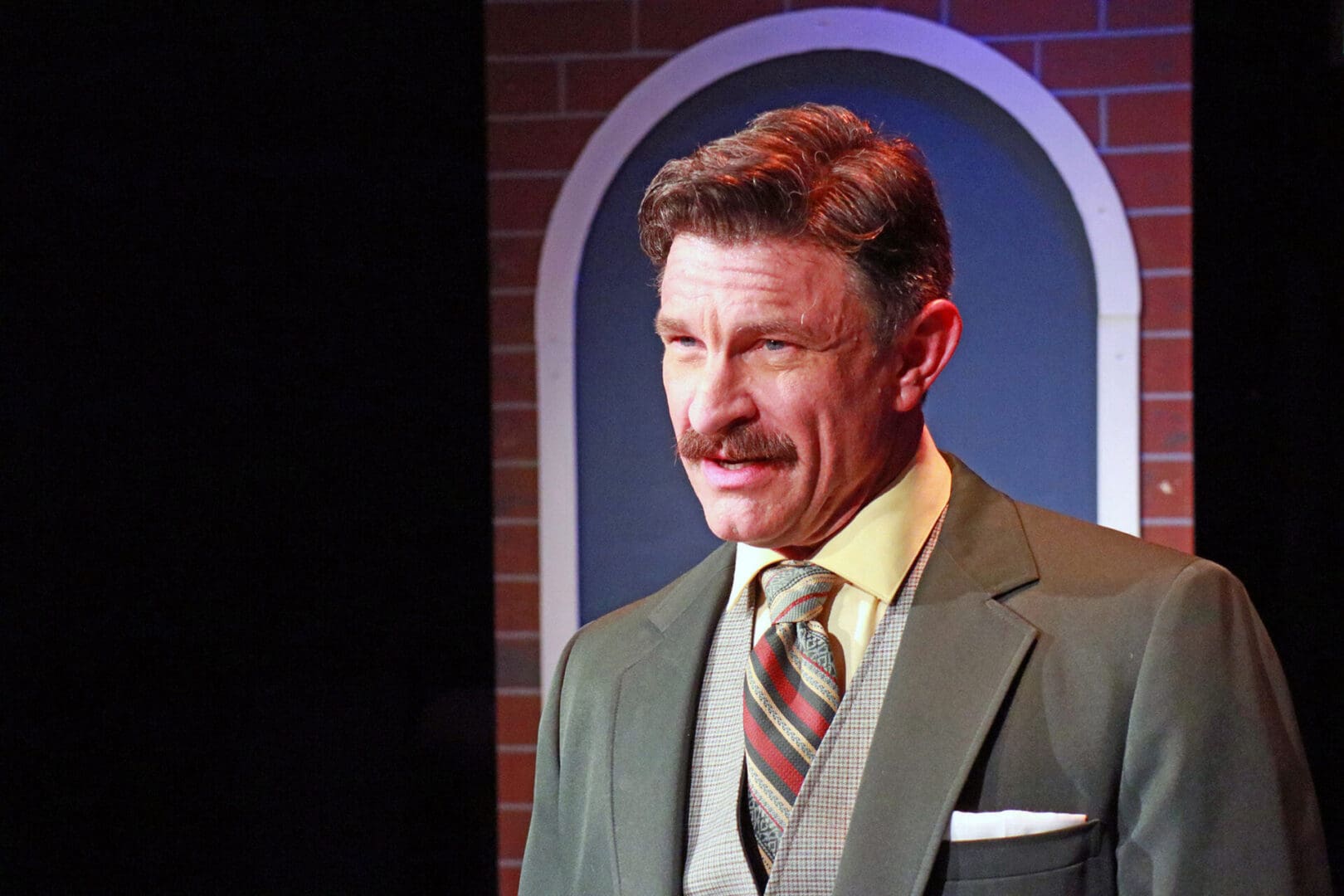
Damon Kirsche
Damon Kirsche brings a lovely voice and easy assurance to Bill, Margo’s director and fiancé, though he reads more like her contemporary than the younger man the script envisions, softening one of Margo’s genuine insecurities. Still, he and Stevens share an easy chemistry that lends warmth to a relationship the script doesn’t entirely earn.
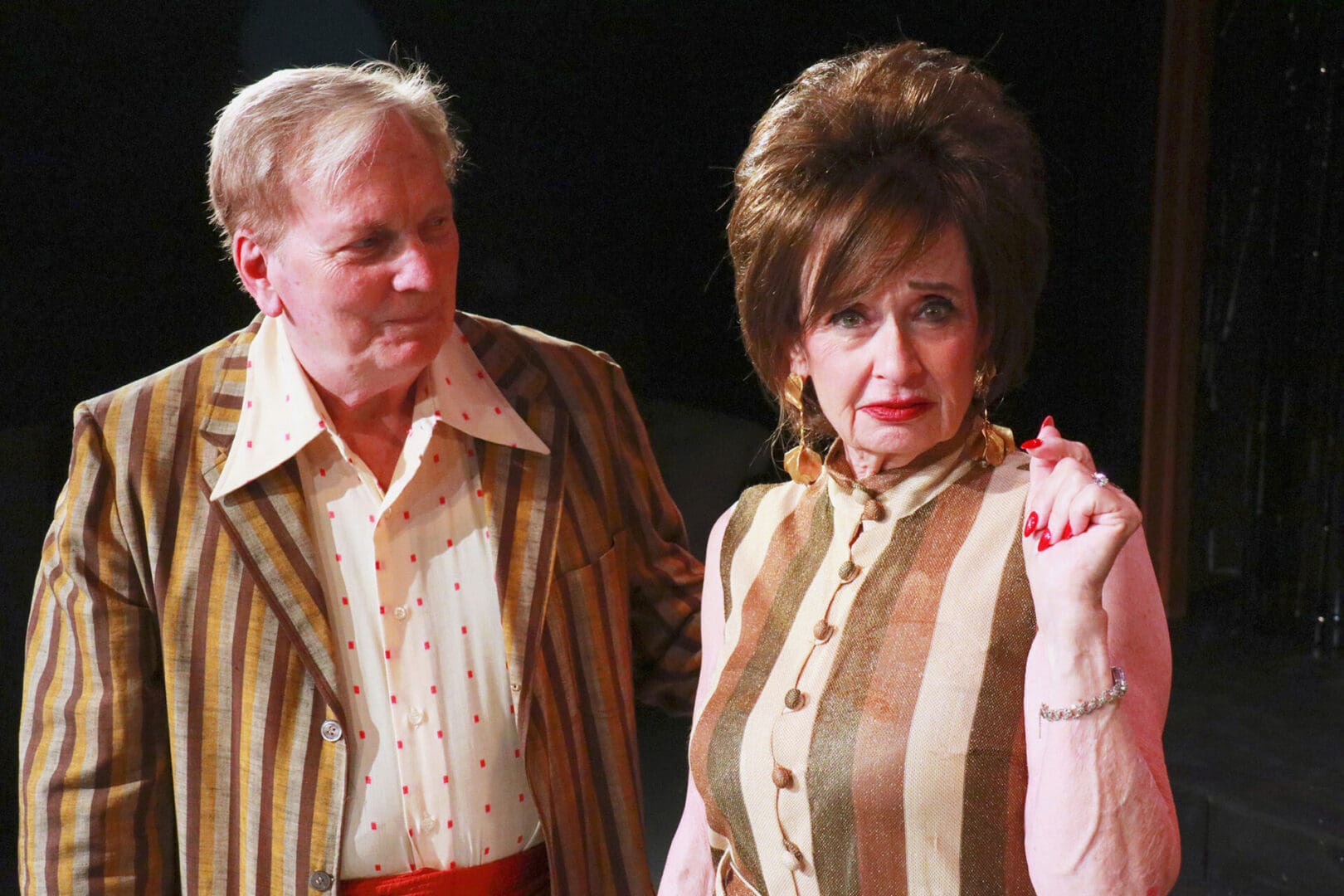
Doug Haverty and Constance Mellors
Doug Haverty and Constance Mellors occasionally overplay the camp as Margo’s loyal sidekicks, playwright Buzz Richards and his wife Karen, torn between their affection for her and Eve’s carefully cultivated charm. Mike Sabatino neatly captures the self-interest of producer Howard, a man who’s never more than a heartbeat away from calculating everyone’s box-office value. Making an impressive Group Rep debut, Darrell Mondaine is a delight as hairdresser Duane, delivering every wisecrack with effortless precision. Angie Lin brings genuine exuberance to the title number, turning it into the brassy, communal showstopper the evening has been building toward, even if she never quite commands the stage the way Bonnie Franklin famously did in the original production.
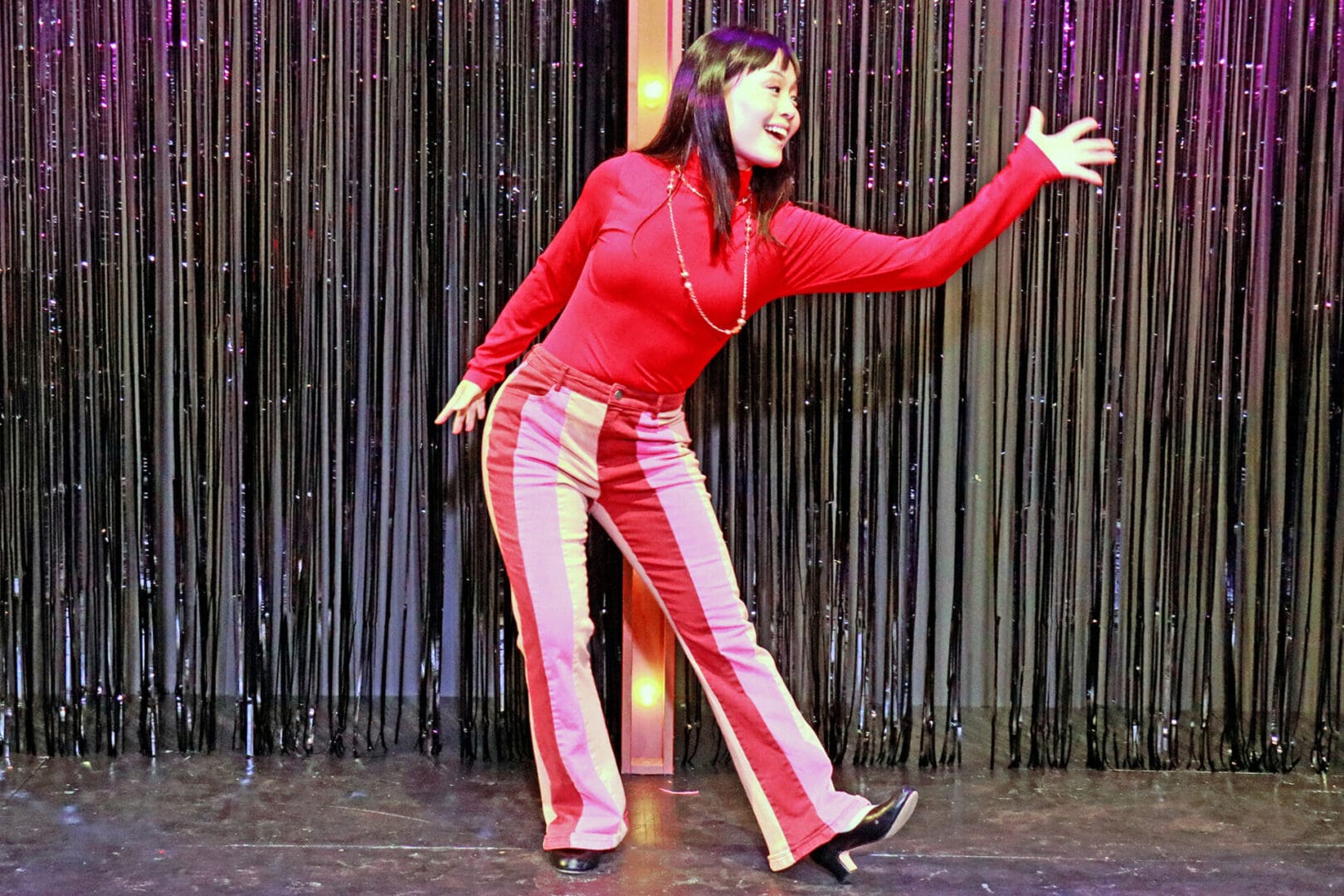
Angie Lin
Kimmel directs with the refreshing understanding that Applause gains nothing by apologizing for itself. He keeps the pacing brisk, the comedy crisp, and the sentiment sincere, resisting any temptation to make the musical darker or more psychologically profound than it was ever intended to be. Instead, he embraces its backstage gossip, glamorous costumes, theatrical betrayals, and Broadway’s inexhaustible appetite for a grand finale. Sophistication and camp happily share a dressing room here, and neither asks the other to leave.
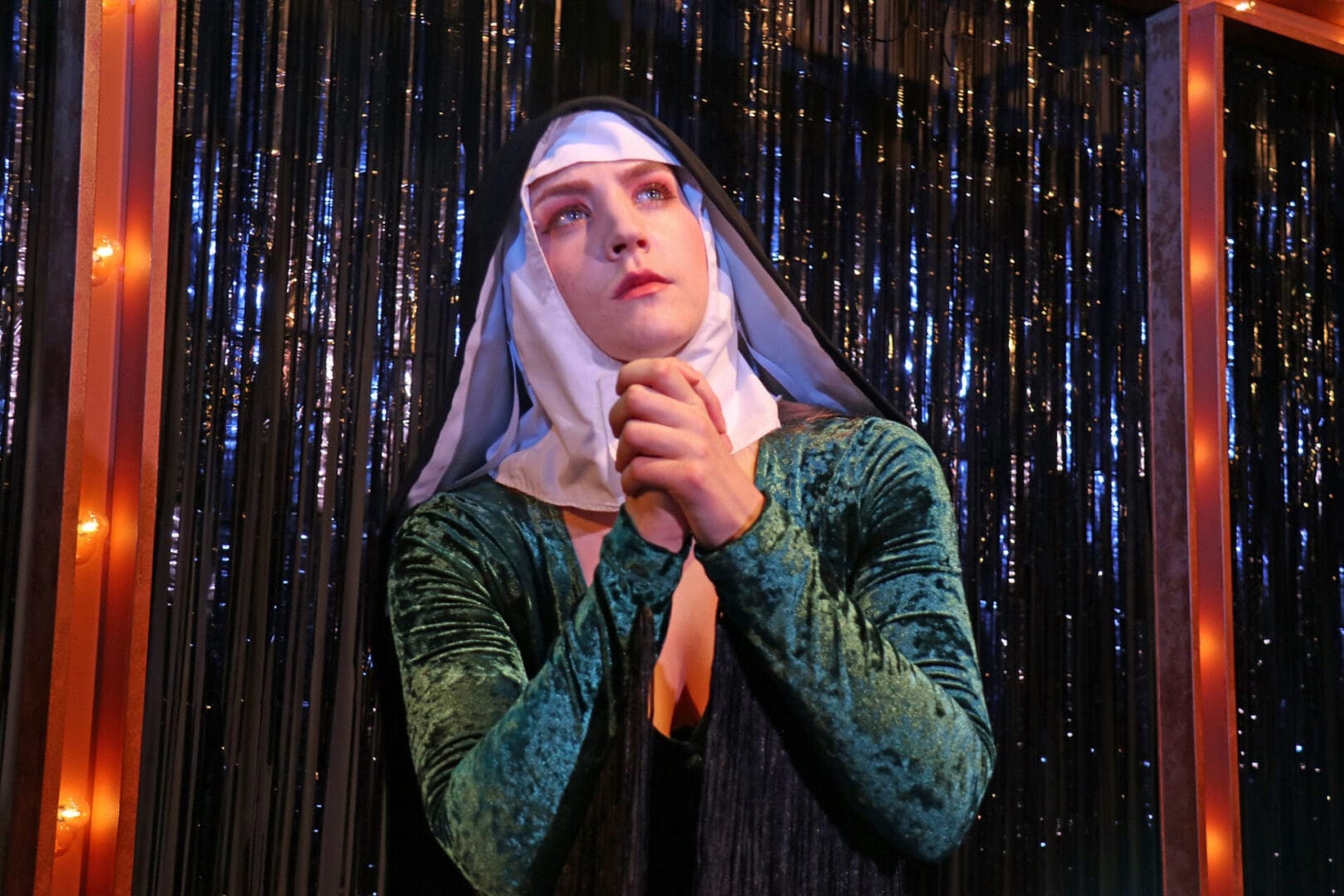
Mia Catalano
Carter Vickers‘ versatile scenic design glides efficiently between dressing rooms, apartments, and theatrical spaces, keeping scene changes as nimble as the backstage intrigue. Shon LeBlanc‘s costumes fully embrace the 1970 setting, stopping just short of making the cast resemble a touring company of The Brady Bunch. Devin Harris‘s lighting provides handsome support throughout, while the pre-recorded orchestra serves the score cleanly and confidently.
A great story can survive a merely good score when the actresses behave badly in fabulous clothes, and Applause has both in generous supply.
By the finale, Margo has been bruised, Eve exposed, and the theater moves on exactly as it always has. Someone takes a bow. Someone else waits in the wings. Somewhere in the lobby, another starstruck admirer is already making plans.
✦ ✦ ✦ ✦ ✦ ✦ ✦ ✦ ✦ ✦
photos by Doug Engalla
Applause
The Group Rep
Lonny Chapman Theatre, 10900 Burbank Blvd. in North Hollywood
Fri.–Sat. 8 pm; Sun. 2 pm
ends on August 30, 2026
2 hours and 40 minutes, with intermission
for tickets, visit TheGroupRep
for more shows, visit Theater in LA
✦ ✦ ✦ ✦ ✦ ✦ ✦ ✦ ✦ ✦
