


Areas We Cover
Categories

BEST MUSIC CAMP IN LOS ANGELES? 7 PICKS FOR TEENS PAST DAY CAMP, NOT YET AUDITIONING

by Connor McCormick | September 1, 2026
in Extras, Music
Your kid has graduated from “Hot Cross Buns” and now binges beat-making tutorials, dreaming of roaring crowds. The leap from neighborhood lessons to conservatory auditions still feels too big—for them and for you.
You want instruction, not babysitting; pro studios, not finger-paint. Safety counts, fun counts, and no one’s stressing over Juilliard-style try-outs yet.
Only seven of the 40-plus Los Angeles camps we reviewed met our bar for motivated 11- to 17-year-olds. Here is how we sorted them.
How We Chose These Seven Stand-Out Camps
We started with more than forty Los Angeles-area programs and asked one question of each: will a motivated 11- to 17-year-old leave with sharper skills and something real to show for the week? Camps that answered no were out.
Safety carried equal weight. We favored programs holding the American Camp Association (ACA) seal, which requires criminal background checks and compliance with 250-plus health, safety, and program standards. Where a camp is not ACA-accredited, we confirmed it runs comparable screening and medical protocols.
We also weighed what the money buys — instruction hours, studio access, gear, lodging, meals — not the sticker price alone.
Last, we read parent reviews, social posts, and recent press. A polished brochure counts for little next to hundreds of families saying the same thing. Camps with stale sites, vague staff credentials, or no evidence of student showcases never made the list.
Seven cleared every bar. They are numbered below, starting with the pick that suits the widest range of teens.
1. Overnight Immersion Plus Classic Camp Fun: Pali Adventures
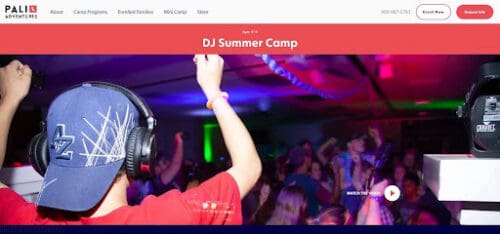
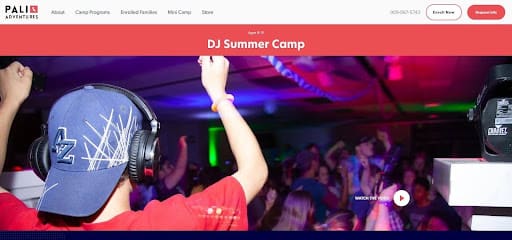
Picture a mountain campus in Running Springs, California, nestled in the San Bernardino Mountains about 90 minutes east of Los Angeles. By 8 am one cabin heads to the DJ studio, another clips into the zip-line. Pali Adventures serves ages 6 to 16, with tiered programs (Mini Camp 6-8, Juniors 8-12, Seniors 13-16). Your camper can dive deep into music each morning and chase pure camp thrills all afternoon.
Choice is the magnet. Campers select one of 27 specialties across Adventure, Creative, or Performance tracks for the week; DJ Camp and Rock Star are the music favorites. The rest of the schedule fills with 70-plus electives, so a guitarist might record in a pro studio before lunch, then storyboard a music video after. By Friday night every specialty joins a full-scale showcase where DJs spin live and band kids plug in under concert lights.
Parents value the guardrails even more than the glamour. Pali holds accreditation from both the American Camp Association (ACA) and the Western Association of Independent Camps (WAIC). Every counselor passes LiveScan and U.S. Department of Justice background screening, holds first-aid, CPR, and AED certifications, and the camp meets the ACA’s 250-plus health, safety, and program standards. Licensed nurses staff the on-site wellness center daily, staff carry radios around the clock, and fire, police, and EMT services sit three miles from campus—reassuring for a program that offers motor sports and recording gear in the same day.
Pali does not publish pricing publicly, so families should contact the camp directly for current session rates. What a session does cover is everything: meals, lodging, activities, and specialties carry no extra fees. Few programs hand teens a Serato deck at breakfast and a lake tube at dusk.
Bottom line? Choose Pali if your young musician wants real instruction without giving up the classic camp story they will share all school year.
2. Industry-Insider Intensive: GRAMMY Camp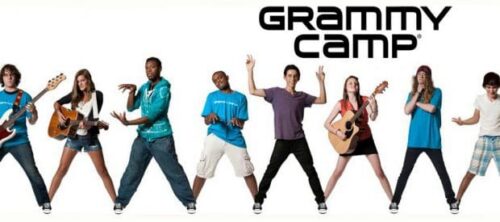
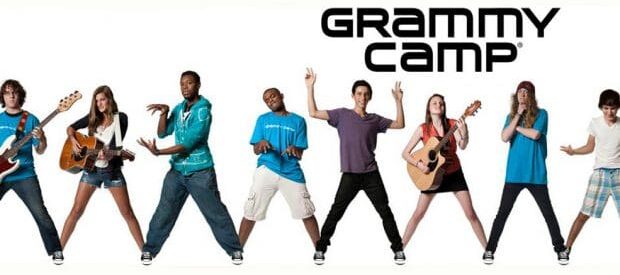
If your teen can already explain the gap between an A&R rep and a mix engineer, GRAMMY Camp feels less like camp and more like a one-week audition for the future.
Run by the GRAMMY Museum, this program places high-schoolers in real Los Angeles studios where charting artists cut records. Last summer’s guests included Maren Morris, Blu DeTiger, and producer-songwriter Jeremy Zucker. Instructors are working professionals, so feedback hits at industry volume.
Admission is competitive: applicants submit recordings, essays, and marketing plans to compete for roughly 60 spots. Campers pick a track — Songwriting, Audio Engineering, Music Business, or Journalism — then run masterclasses each morning and creation sessions each afternoon, stage-ready by Friday.
The schedule is intense — nine to six, no campfires, and evenings off-site since GRAMMY Camp is non-residential. Tuition sits near three thousand dollars, and what you buy is access: a portfolio piece and mentors who share real email addresses.
Choose GRAMMY Camp if your high-schooler is eyeing Berklee, USC, or direct-to-industry paths and wants clarity plus credibility in seven days.
3. All-Girls Overnight Powerhouse: Amplify Sleep Away Camp
If your daughter hangs back when boys grab the mic, Amplify flips that script in two weeks flat.
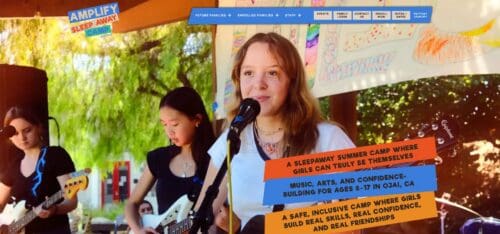
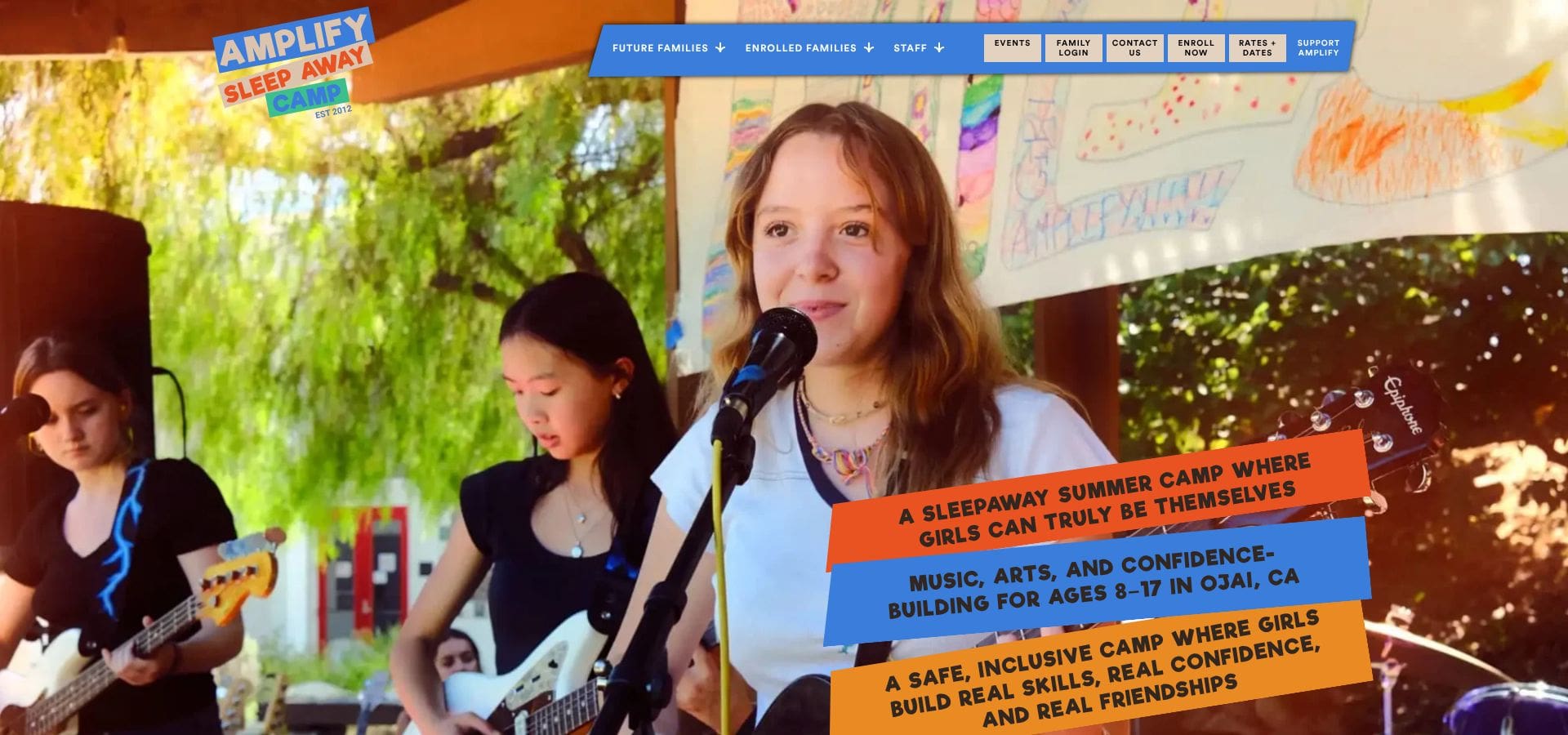
Set in the quiet hills of Ojai, this ACA-accredited program has one mission: grow fearless female musicians. Mornings center on a self-selected major such as Rock Band, DJ and Production, or Singer-Songwriter. Afternoons branch into minors that stretch creative muscles, from filmmaking and photography to fashion design for stage looks.
Because every camper identifies as female, the vibe stays collaborative rather than competitive. Older teens coach younger bandmates, and nightly campfires celebrate small wins like a first clean guitar solo.
The calendar builds toward a full-production festival, with bands debuting originals under pro lighting. Tuition averages about twenty-four hundred dollars a week, covering meals, gear, and supplies; donor-funded scholarships make early application worth it.
4. College-Style Collaboration: SOCAPA Los Angeles
Picture a campus where songwriters, filmmakers, and dancers swap ideas over boba, then sprint back to studios to turn sparks into finished art. That is SOCAPA on the Occidental College grounds.
Music students focus on creation, not just chops. In two or three weeks they write original songs, record polished tracks, and—thanks to SOCAPA’s cross-department matches—star in professionally filmed videos directed by teen filmmakers in the same program. On the final Friday those videos premiere on a big screen.
The schedule mirrors a first-year arts-school syllabus: morning workshops on melody, lyrics, and DAW fluency, afternoons in rehearsal or the studio, and evenings out in Los Angeles on supervised trips.
Dorm life at Occidental seals the deal: shared rooms, coin-machine laundry, and a first taste of college independence with resident advisors keeping curfews tight. Pick SOCAPA if your teen thrives on teamwork.
5. Short, Sharp College Prep: Summer at LACM
Some teens want campfire songs. Others want chord charts, private lessons, and a crash course on branding themselves as independent artists. Summer at LACM is designed for the second crowd.
Hosted by Los Angeles College of Music in Pasadena, the program runs three modular one-week intensives: performance, then songwriting and production, then music entrepreneurship from streaming strategy to contract basics. Students stack all three or pick the one that matches their stride.
Days open with instrument clinics taught by faculty who tour or record with chart-toppers, then move into ensemble rehearsals or studio sessions. Each student also gets a private lesson — rare in short programs, and often the moment kids rave about on the ride home.
Tuition runs about fourteen hundred to two thousand dollars per week, below many Los Angeles peers, and early-bird discounts trim more. Choose LACM if your teen wants serious coaching without giving up the rest of summer.
6. One-Week Hollywood Bootcamp: MI “Summer Shot”
Drop your teen on Hollywood Boulevard for five days and watch them live the schedule of a gigging musician—minus the 2 am gear haul.
Musicians Institute’s Summer Shot is short, loud, and laser-focused. Campers pick Performance or Production on day one. Performers form bands, rehearse in fully back-lined studios, and close the week with a lights-up concert on MI’s stage. Producers work in adjacent control rooms, crafting beats or recording those same bands, then unveil finished tracks at the Friday playback party.
Faculty walk the talk: guitar coaches with platinum records, Logic instructors with IMDb credits, guest artists dropping in between tour rehearsals. Nine to five only, so nights belong to families, and tuition stays near fifteen hundred dollars with gear and studio time included.
Choose Summer Shot for a jolt of motivation. It will not replace months of lessons, but it will light a fire that has your teen practicing voluntarily the second you unpack the car.
7. Boutique Beach-Town Intensives: Coast Music Camps
Not every teen needs a massive campus. Sometimes six students, one expert coach, and salty ocean air beat any large program — that is the Coast Music recipe in Manhattan Beach.
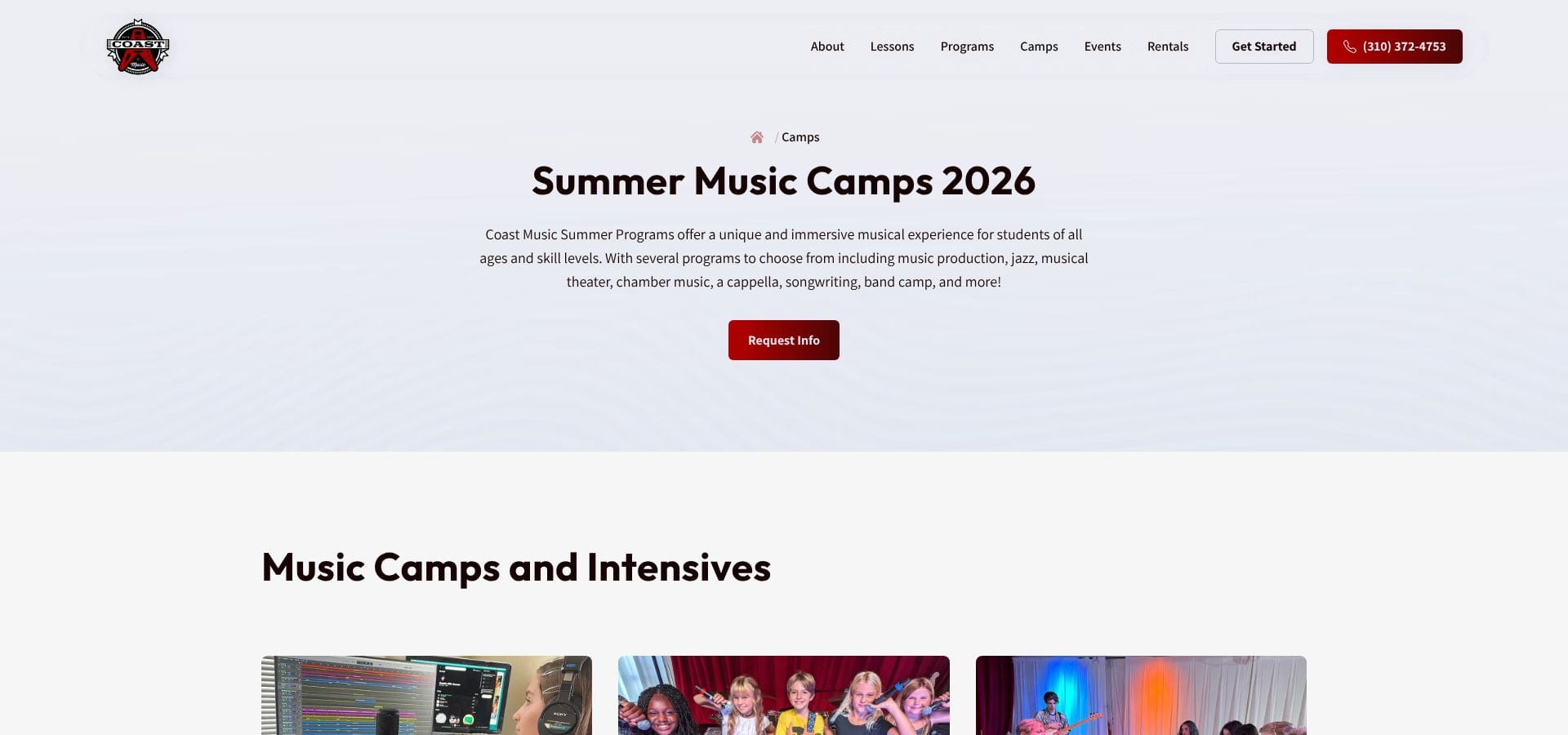
Each week zooms in on a single craft: Jazz Combo, Music Production, Guitar & Bass, A Cappella, or Rock Band. With groups capped at about eight, instructors fine-tune feedback on the spot. A shy sax player cannot hide in the back row; a budding producer gets hands on every fader.
Mornings break down theory and technique; afternoons knit it together in rehearsal or the on-site studio. By Friday families pack a room above the storefront to hear polished sets — less a recital than a neighborhood gig.
Tuition ranges from six to eight hundred dollars, gear included, and weekdays end by three — time left for volleyball on the sand. Choose Coast if your teen craves focused coaching in a small, supportive group.
What About Cost and Scholarships?
Sticker shock is real. California already tops the nation for summer-camp prices, and specialty music programs sit near the peak.
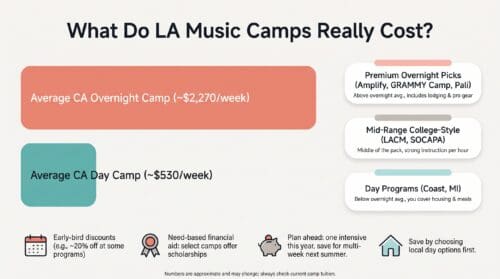
Recent statewide data put the average overnight camp at about $2,270 per week, while day camps hover near $530. Premium picks such as Amplify and GRAMMY Camp cost more, but those fees include lodging and pro gear. Day programs such as Coast Music and MI land hundreds below the overnight benchmark because you provide the pillow and dinner.
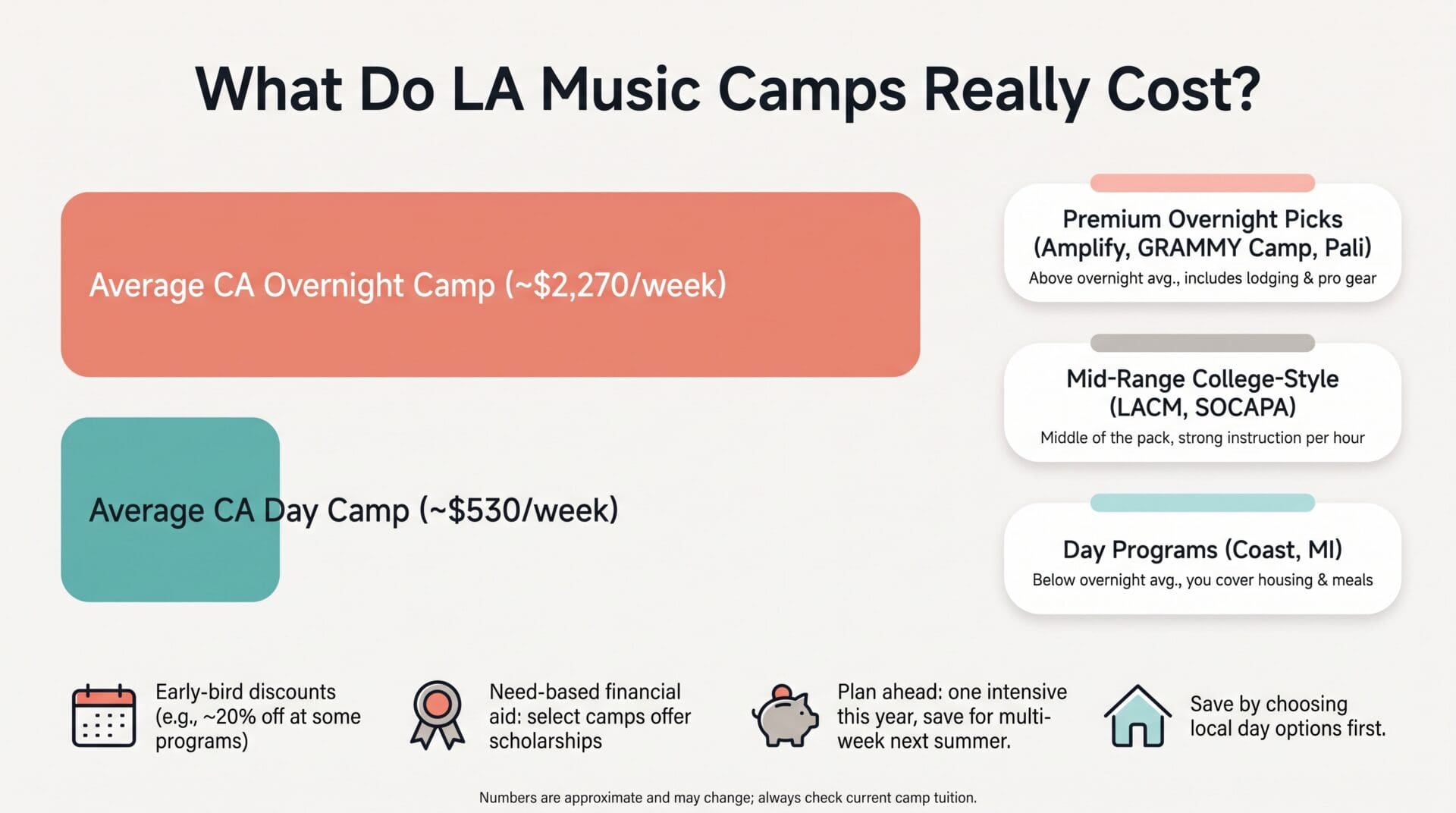
If the numbers still sting, hunt for early-bird discounts — LACM trims roughly twenty percent when you book in spring. Need-based aid exists too: Amplify reserves donor funds each year, and Coast sometimes pairs students with community sponsors.
If funds are tight, try a one-week intensive this year and plan for multi-week dreams next summer. Pair it with steady practice at home and cheap seats at live shows—an evening watching a production like West Side Story at Los Angeles Opera teaches phrasing and stage presence that no practice room can, and the habit costs almost nothing.
Parents’ Quick-Hit FAQs
Does my teen need an audition tape to apply?
Only GRAMMY Camp asks for one. The other six programs take students first-come, first-served and group them by ability once they arrive.
Can beginners sign up?
Every camp welcomes at least “late beginner” players who know basic chords or can keep a steady beat. Absolute first-timers will learn faster in a local lesson program before tackling these intensives.
What gear should we pack?
Guitarists and bassists bring instruments and extra strings. Drummers bring sticks. Vocalists need only a water bottle—the camps supply microphones. All production tracks provide computers and software. How safe are overnight camps?
Programs carrying the ACA seal, such as Pali (also WAIC accredited) and Amplify, run criminal background checks and meet 250-plus health, safety, and program standards. Non-ACA camps publish screening policies too, but the badge is transparent proof.
How early should we book?
January is ideal. GRAMMY Camp applications close around March, and Pali’s most popular sessions often hit a wait-list by spring break.
Conclusion
Los Angeles offers more than enough music-camp options, but only a handful combine expert instruction, verified safety, and the kind of inspiration that lasts all year. Whether your teen wants a classic overnight adventure, a high-pressure industry audition, or a boutique beach-town workshop, one of these seven programs will strike the perfect chord.
