


Areas We Cover
Categories

CINEMA INFLUENCES SLOVAK AUDIENCES TO DISCOVER DIGITAL ENTERTAINMENT
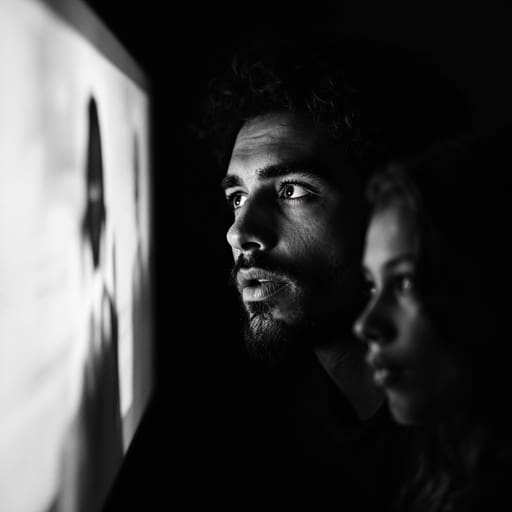
Cinema still shapes leisure habits in Slovakia, even when the screen in front of someone is a phone on a train to Košice. A film trailer teaches rhythm. A chase scene teaches tension. A comedy teaches timing. Those patterns follow viewers into streaming apps, mobile games, sports clips, and casino-style platforms, where short scenes and quick choices feel familiar. On Markíza reruns, even an old thriller can set up a Friday night choice quite fast. After watching a stylish heist film or a poker scene in a crime drama, some viewers look for sites verified by players such as online casino sk designed for Slovaks, because the movie has made the mood feel known. This is not random curiosity. It is memory at work. Slovak audiences carry cinema language with them: suspense music, close-ups, countdowns, and the clean satisfaction of a finished scene. Digital entertainment then borrows the same signals, cuts them into smaller pieces, and places them inside everyday breaks.
Film cues that push the first click
Casino scenes are easy to remember because they compress risk into a face, a hand, and one silent room. Slovak viewers who enjoyed Casino Royale on JOJ or a Las Vegas episode on Netflix recognize the setup before they understand the rules. One review page might say play in trust near zahranicne online kasina for players from Slovakia, and the wording works because it sounds like a ticket check, not a lecture.
The same pattern appears in game trailers. Lights flash. A wheel stops. The camera waits. A guide may label a zahranicne casino like https://tatryinfo.sk/ with top games, giving the page the feel of a poster outside a multiplex.
This effect is strongest when the copy stays plain. A Slovak reader understands play in online casino with trusted games faster than a paragraph full of legal phrases.
New releases add another cinema habit: opening night. If a site is verified by players as a nové casino online option for players from Slovakia, the promise sounds close to a premiere, with novelty, queues, and a bit of noise.
Streaming taught viewers to follow moods
Film taught Slovaks to pick entertainment by feeling first and format second. A viewer does not say, in neat terms, that she wants a ninety-minute narrative arc. She says she wants something dark, funny, tense, or easy after work.
Streaming made that habit sharper.
Netflix thumbnails, Voyo rails, and YouTube previews borrow the poster wall from cinemas. One close-up of a worried detective says more than twenty labels. A red play button copies the old promise of the projector: sit down, look ahead, forget the dishes for a while. Digital products that understand this do better with Slovak audiences. They lead with atmosphere, not a manual. A football highlight clip opens with the loudest shot. A mobile puzzle ad shows the almost-failed move. A casino app shows the spin at its most dramatic point, the half-second before the result. The logic is pure cinema. Hook the eye, hold the breath, then ask for the click.
Local stories make screens feel closer
Slovak audiences respond strongly when digital entertainment feels near their streets, dialects, and weekend plans. A film shot in Bratislava or the High Tatras changes the mental map. The viewer sees a café, a platform, a mountain road. Then a phone screen feels less like a foreign shop window.
Small details count.
A quiz app that asks about Peter Sagan, a streaming banner for a Czech-Slovak comedy, or a game event timed around a hockey match all borrow the same local signal that films use. Place matters. So does sound. Subtitles, familiar names, and payment options in euros reduce the little pause before sign-up. The cinema habit here is identification. People follow characters who feel close to them. They also try platforms that speak as if someone in Žilina, Nitra, or Prešov wrote the buttons. A brand does not need folklore. It needs one or two true details, placed where the eye lands first.
Games copy film grammar in tiny loops
Most digital products ask for seconds, not an evening. That is why cinema grammar gets chopped into loops. The close-up becomes an avatar. The soundtrack becomes a ping. The final reveal becomes a reward screen, repeated ten times during a bus ride.
It still feels cinematic.
Mobile games use camera shake after a win because action films trained viewers to read movement as impact. Streaming services autoplay the next episode because serial cinema taught the pleasure of a cliff edge. Sports apps send goal clips with the celebration first, then the replay, because directors know faces sell emotion faster than statistics.
Slovak users see these tricks every day. Some enjoy them. Some mute them at once. The difference lies in control. A scene in a cinema runs on its own, but a phone gives the thumb power. If a platform lets people pause, skip, set limits, or leave without punishment, the borrowed drama feels playful rather than pushy. The best digital moments respect that thumb. They invite a tap. They do not beg for one.
What brands should borrow from the big screen
Cinema gives Slovak digital brands a useful rule: show the scene before asking for attention. A short clip of the product in motion beats a flat promise. A clear thumbnail beats a clever slogan. Real pacing beats loud decoration.
Keep it human.
That advice sounds simple, yet it changes the brief. Instead of writing twelve claims, the team chooses one moment: a choice, a reveal, or a small win. The rest can wait until later. Much later.
A streaming service can sort films by mood words that people use at home, like oddychovka, napätie, or niečo krátke. A game studio can open with one playable action instead of a thirty-second wall of badges. A casino site can explain limits and payments beside the first interaction, where curiosity is still fresh. Nobody wants to search for the small print after the music starts.
The cinema influence will keep working because it sits in the body. Viewers know how suspense feels before they name it. They know when a scene drags. They know when the payoff arrives too late. Slovak audiences bring that instinct to every digital offer, which means the winning design is rarely the loudest one. It is the one with a clean opening, a clear risk, and a fair exit. Before publishing the next landing page, a marketer should watch it like a trailer: what happens in the first five seconds?
