


Areas We Cover
Categories

THE ART OF VISUAL STORYTELLING: WHEN ILLUSTRATION AND DIGITAL TECHNOLOGY INSPIRE CREATIVE PRODUCTIONS
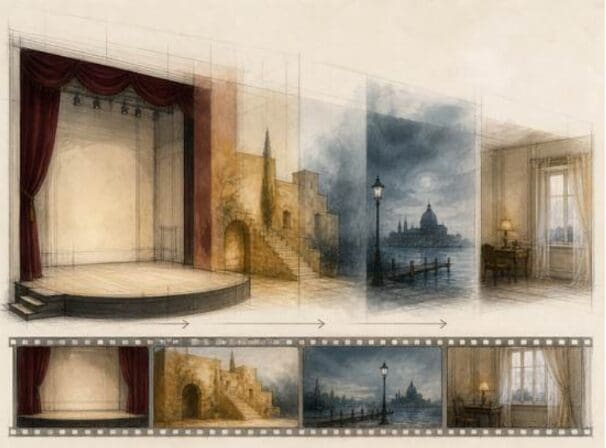
Visual storytelling has played an important role in theater, cinema, and the performing arts for generations. From hand-painted stage backgrounds to carefully designed movie posters, visual elements help communicate emotions, establish settings, and bring creative ideas to life. Even before a character speaks, the colors, scenery, costumes, and imagery can influence how an audience understands a story.
As digital technology continues to evolve, artists and production teams have more opportunities to experiment with visual concepts. Illustration software, image-editing applications, and AI-powered creative tools make it easier to explore different artistic styles and develop compelling visual experiences. When used thoughtfully, these resources can support the creative process without taking away the human imagination that makes storytelling memorable.
The Importance of Visual Storytelling in Theater and Cinema
Visual storytelling goes beyond creating attractive images. It helps establish the atmosphere of a production and communicates information that dialogue alone may not express. A dark stage with dramatic shadows can suggest mystery, while a bright, colorful setting may create a sense of excitement or optimism.
In cinema, production design, cinematography, and visual effects work together to create believable environments. Theater productions use scenery, costumes, lighting, and stage arrangements to communicate similar ideas in a live setting.
Several visual elements contribute to effective storytelling:
- Color and lighting: Different shades and lighting arrangements can communicate emotions, establish tension, and distinguish between contrasting scenes.
- Set and costume design: Physical environments and clothing provide clues about characters, historical periods, and social backgrounds.
- Composition and framing: The placement of people and objects within an image helps direct attention toward important details.
- Illustrated concepts: Sketches and concept art allow creative teams to explore ideas before building sets, planning scenes, or producing promotional materials.
When these elements work together, they create a consistent visual language that helps audiences connect with the narrative.
How Illustration Encourages Creative Exploration
Illustration gives artists the freedom to develop ideas that may be difficult to explain through words alone. A production designer can sketch an imaginary city, visualize a historical interior, or explore the appearance of a fictional character before production begins.
These illustrations act as visual references for directors, costume designers, lighting specialists, and other members of a creative team. They make it easier to discuss artistic decisions and identify potential problems before investing significant time and resources.
Illustration is also valuable because it encourages experimentation. Artists can compare different compositions, adjust colors, and explore alternative styles without immediately committing to a finished design.
For independent filmmakers and theater companies, this flexibility can be particularly useful. A collection of sketches or digital illustrations can communicate a creative vision to collaborators and help maintain consistency throughout a production.
The Lasting Appeal of Vintage Art in Modern Productions
Vintage illustration continues to influence contemporary cinema, theater, and graphic design. Classic movie posters, retro advertisements, and traditional printed artwork often feature distinctive lettering, textured backgrounds, expressive portraits, and carefully selected colors.
These visual characteristics can evoke nostalgia and create a strong connection between an image and a particular period. Modern artists frequently draw inspiration from these techniques when developing promotional campaigns, theatrical concepts, and visual identities for creative projects.
Digital applications make it easier to experiment with vintage aesthetics while retaining control over the final composition. For example, creators exploring retro-inspired artwork can use a photo to vintage illustration tool to transform photographic references into stylized illustrations. The resulting images can serve as starting points for mood boards, creative experiments, or promotional concepts.
The key is to use these tools with a clear artistic objective. Vintage effects are most effective when they complement the subject and support the overall mood rather than functioning as purely decorative additions.
Digital Tools That Support the Creative Process
Technology has introduced new ways for artists to develop, revise, and share visual ideas. Digital painting applications, graphic design platforms, and AI-assisted image tools allow creators to explore multiple possibilities without having to recreate every concept manually.
These resources can be useful at different stages of a production, from early planning to the creation of final marketing materials. They also make collaboration easier by allowing team members to exchange references and review proposed designs.
Some of the practical benefits of digital creative tools include:
- Faster concept development: Artists can produce and compare several visual directions before selecting a final approach.
- Greater creative flexibility: Colors, textures, compositions, and other design elements can be adjusted with relatively little effort.
- Improved collaboration: Shared digital references help directors, designers, and production teams communicate their ideas more clearly.
- Accessible experimentation: Independent creators can explore professional-looking visual concepts without always requiring extensive equipment or large budgets.
Although these advantages can save time, digital tools still require thoughtful use. Generated images and automated effects may need corrections to improve composition, accuracy, and stylistic consistency. Human judgment remains essential when deciding whether a visual concept genuinely supports the story.
Bringing Traditional Art and Modern Technology Together
Traditional artistic skills remain valuable even as digital tools become more advanced. Understanding perspective, color theory, composition, and visual balance helps artists make informed decisions when working with modern software.
For example, a theater designer might begin with pencil sketches before refining the chosen concept digitally. A filmmaker could combine photographic references with illustrated storyboards to plan camera angles and communicate the intended atmosphere of a scene.
This combination of traditional and digital techniques creates a flexible workflow. Artists retain the freedom to develop their own ideas while benefiting from tools that make revisions and collaboration easier.
It also helps emerging creators develop their skills. Students, independent performers, and small production companies can use accessible applications to experiment with visual styles and communicate creative concepts without relying entirely on expensive resources.
However, convenience alone does not guarantee an effective result. Every design still needs a clear purpose, an appropriate visual style, and a connection to the production’s central idea.
Creating a Consistent Visual Identity Across Different Platforms
A production’s visual identity extends beyond the stage or screen. Posters, trailers, event announcements, social media graphics, and printed programs all contribute to how audiences recognize and understand a creative project.
Using related colors, typography, textures, and illustration styles across these materials creates a more unified presentation. For instance, a theatrical production inspired by classic cinema might use vintage-style artwork in its promotional campaign while incorporating similar visual details into its stage design.
Creative teams can develop mood boards to organize these choices. By gathering photographs, sketches, color palettes, and design references in one place, they can establish a shared direction before creating final assets.
Consistency does not require every design to look identical. Instead, each piece should reflect the same underlying creative vision while meeting the needs of its intended format and audience.
The Future of Visual Storytelling
Advances in digital production continue to create new opportunities for filmmakers, theater professionals, illustrators, and designers. Digital projections, interactive environments, virtual production techniques, and AI-assisted applications are expanding the ways artists can develop and present their ideas.
These developments may change how visual concepts are created, but the purpose of storytelling remains the same. Images should communicate meaning, establish atmosphere, and help audiences become emotionally involved in a narrative.
The most effective creative professionals will be those who combine technical knowledge with imagination and a strong understanding of visual communication. Exploring new tools can lead to unexpected possibilities, while traditional artistic principles help ensure that those possibilities serve a meaningful purpose.
Ultimately, visual storytelling succeeds when every element contributes to the experience. Whether an artist is designing a theater set, developing a film poster, or experimenting with illustrated imagery, the goal is to transform an idea into something audiences can see, understand, and remember. By bringing illustration and digital technology together, creative teams can continue discovering fresh ways to tell stories across stage, screen, and beyond.
