


Areas We Cover
Categories

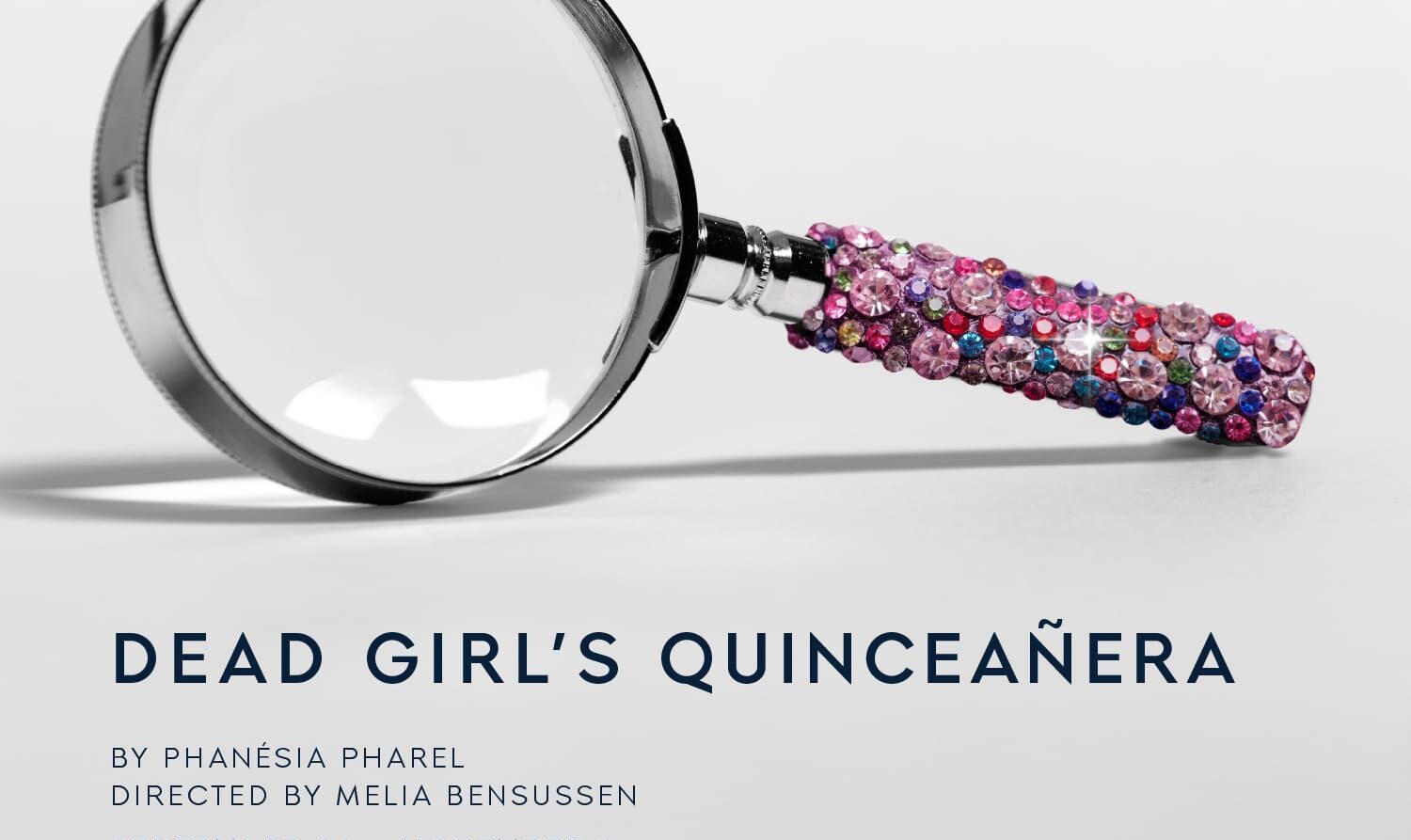
Theater Review: DEAD GIRL’S QUINCEAÑERA (Goodman Theatre / Chicago)
by C.J. Fernandes | October 22, 2026
in Chicago, Theater
A PARTY WITH TOO MANY UNINVITED GUESTS
Insightful, hilarious, and ultimately
undone by its own ambitions
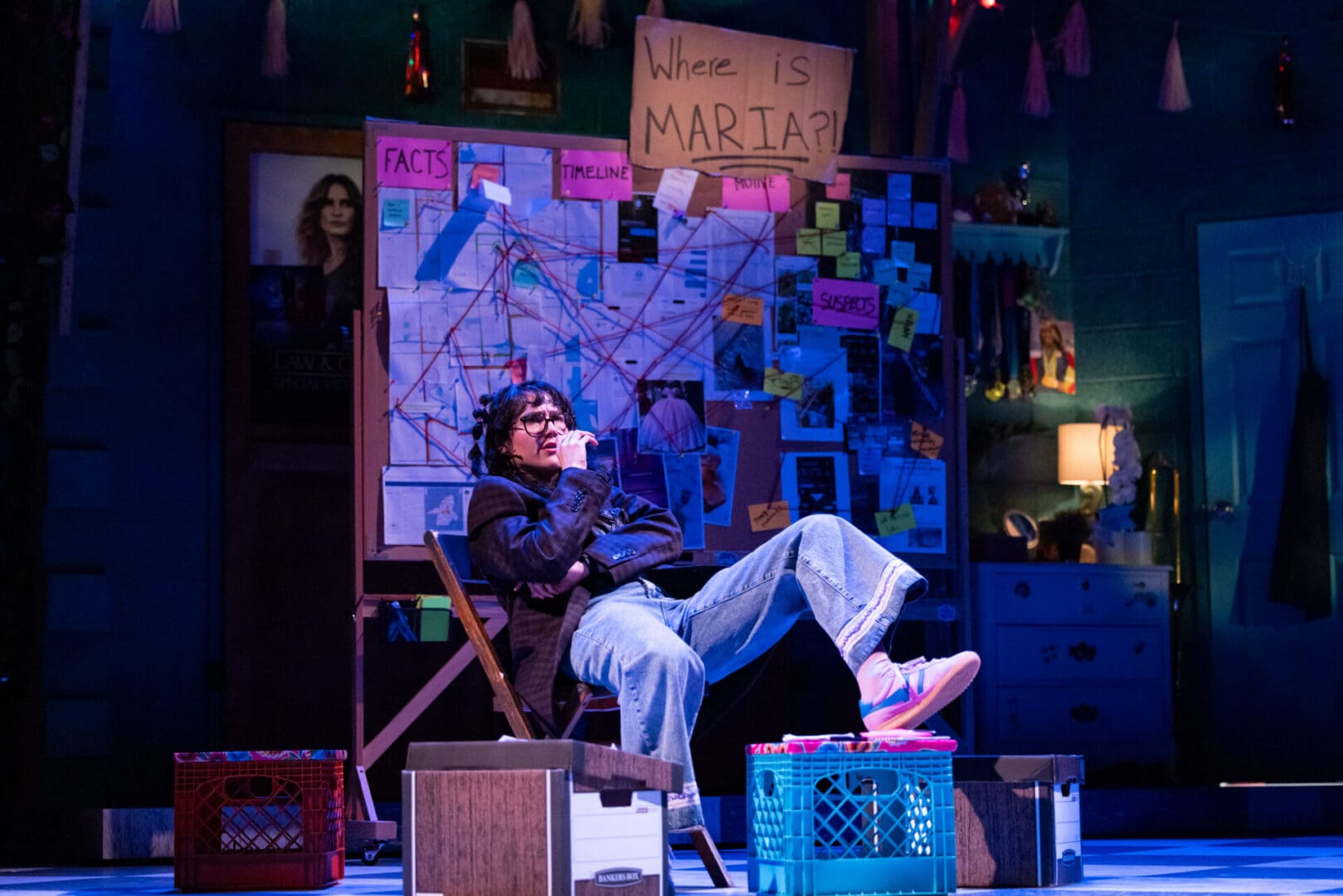
Jacqueline Guillén
Phanésia Pharel’s Dead Girl’s Quinceañera, now being performed at the Goodman Theatre, is several genres fused into one wobbly script. It’s a satire of a police procedural, a send-up of true crime podcasts, a coming-of-age story, a socioeconomic study, a dark tale of abuse, and a celebration of Hispanic culture. It’s also an example of talent compensating for a lack of storytelling discipline.
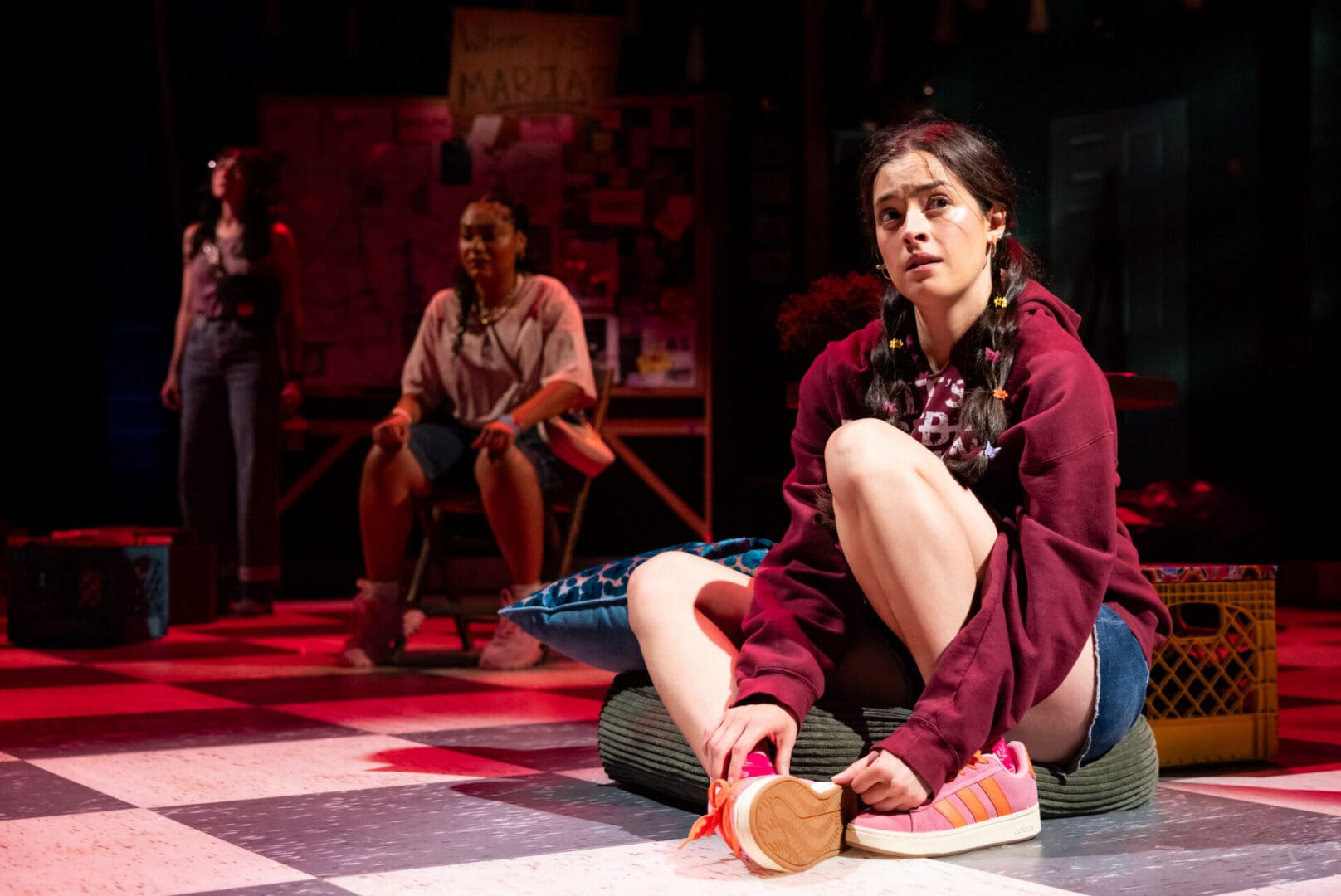
Jacqueline Guillén, Ariana Burks, and Carmen Berkeley
Directed by Melia Bensussen, Quinceañera opens with fourteen-year-old Salma (Jacqueline Guillén) alone in her bedroom, portentously speaking into a recorder. It is the morning after the disastrous quinceañera of her best friend Maria. At some point during the party, Maria left to use the bathroom and has not been heard from since. Salma is convinced there’s been foul play, but the police won’t listen to her since she’s not related, and in any case, Maria needs to be missing for twenty-four hours before a report can be filed. Her mind filled with the horrors gleaned from all the procedurals and true crime shows she binges, Salma decides that there’s no time to waste. With the help of Maria’s cousin Phoebe (Ariana Burks) and the sweetly daffy Este (Carmen Berkeley), Salma sets out to discover what happened to Maria and bring her back to safety, assuming, of course, that she’s even alive.
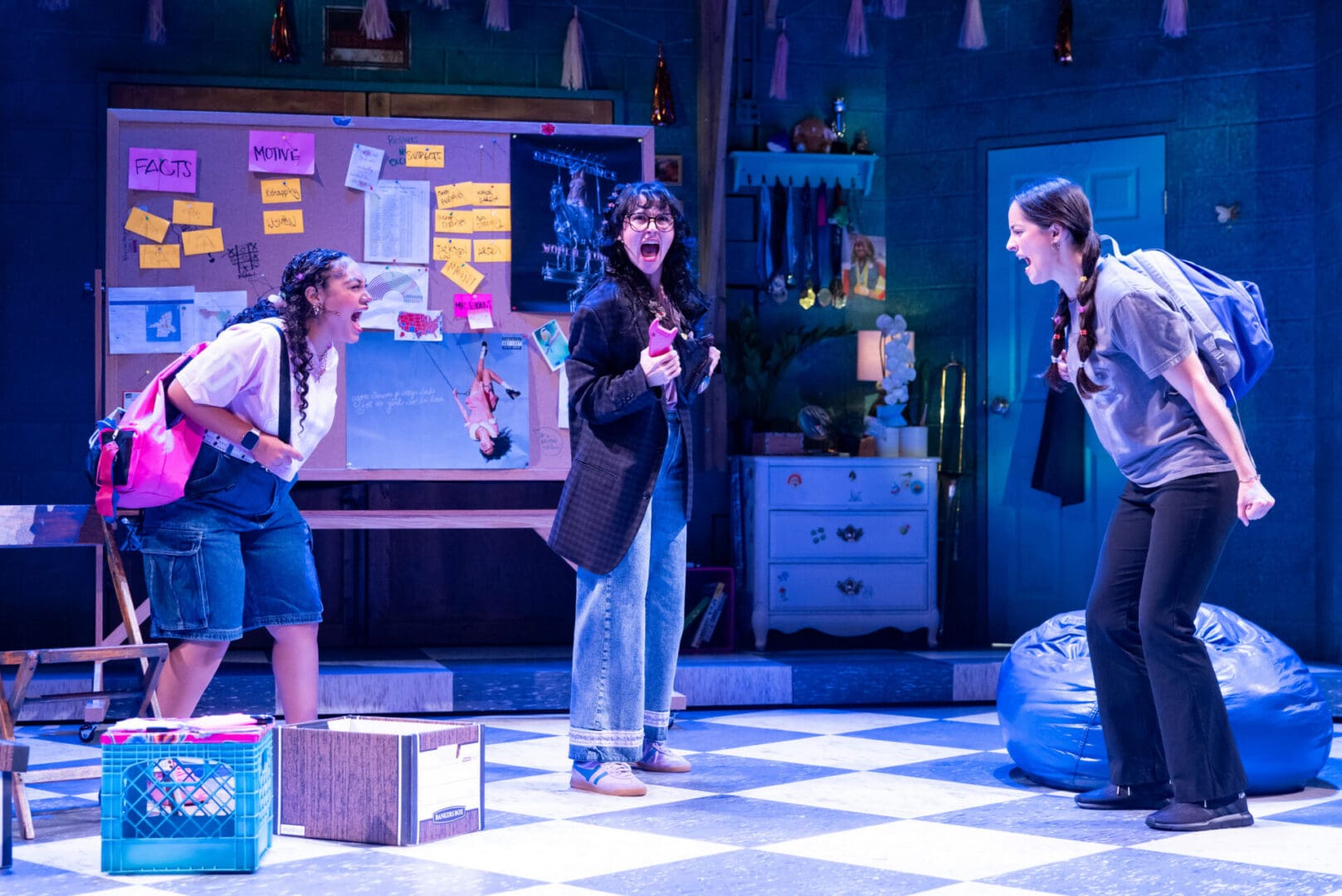
Ariana Burks, Jacqueline Guillén, and Carmen Berkeley
The Nancy Drew hijinks are the best part of Dead Girl’s Quinceañera; Pharel nails the language and complicated allegiances among teenage girls. The dialogue is sharp and hilarious. There are a number of surprising—and entirely welcome—political broadsides that come out of nowhere and hit their marks with astonishing accuracy. Salma and Este are wonderfully complicated and interesting characters, and are beautifully performed by Guillén and Berkeley.
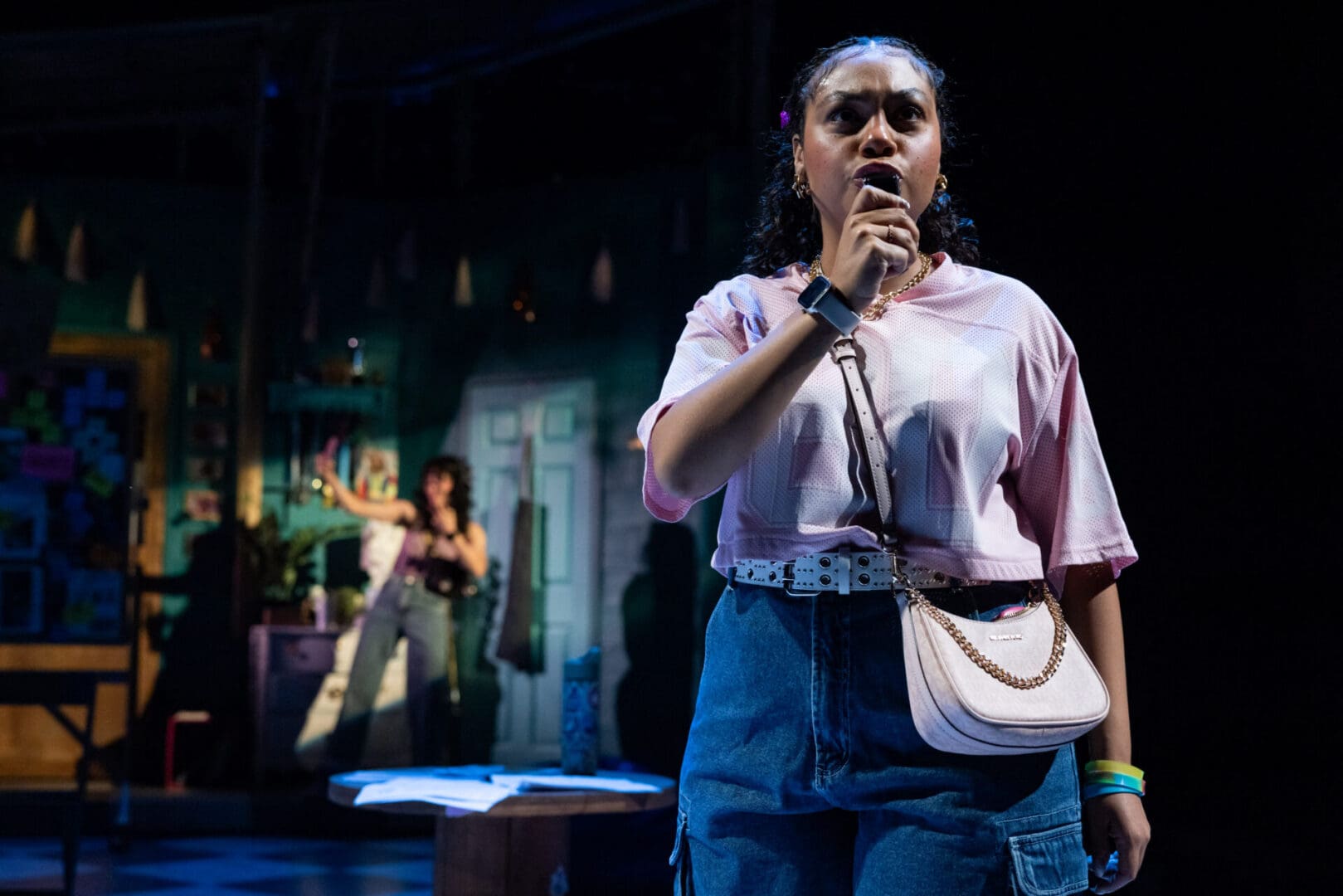
Ariana Burks
The first sign of trouble appears about midway through the show, when, in a drastic change of tone, Phoebe breaks into a wrenching monologue about her father that has little to do with what we’ve seen so far. Cracks multiply after that, but every time the show cuts back to Salma and Este, it recovers. This goes on until a scene between the two in the hours before Salma’s quinceañera; it’s the best moment of the evening on stage and the two performers act the hell out of it. Then they disappear for the next twenty minutes, and the script falls apart; we find out what happened to Maria, which is another drastic change in tone, and everything is capped off in a finale that is as beautiful to look at as it is awful to listen to. Having written herself into a corner, Pharel ends with a people-pleasing, I-am-woman-hear-me-roar monologue that’s almost crass in how cheaply manipulative it is. It’s so awful that it’s hard to believe that it’s written by the same person who wrote the first eighty-five minutes of the play.
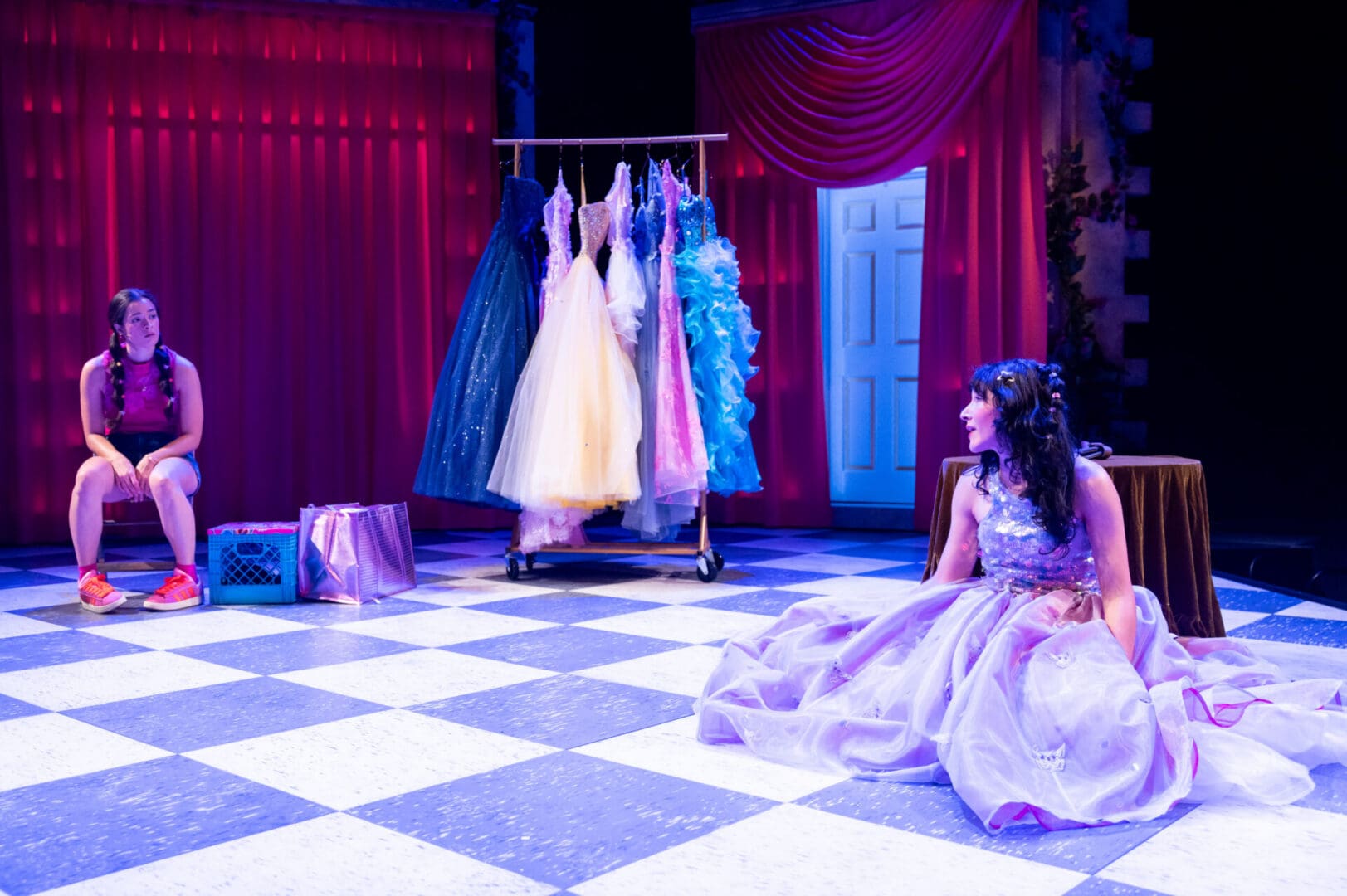
Carmen Berkeley and Jacqueline Guillén
Setting aside those last five minutes—I’m certainly going to pretend they never existed—the biggest problem with Quinceañera is that there’s enough material here for several plays. The overstuffed plot is even lampshaded at one point on stage when a character bemoans, “It’s like a telenovela but without all the hot people.” There are so many things that this play does well: the subversion of the inherent misogyny of the police procedural is masterfully handled, Mariska Hargitay poster notwithstanding; I’m not sure I’ve ever seen a more nuanced depiction of the ethnocomplexities and socioeconomics of Hispanic heritage; the conversations about sex and sexuality are refreshingly frank and matter-of-fact without ever seeming prurient; and as mentioned above, the political humor is brilliant. Even the heavy scenes away from the amateur detective bits are well done in isolation.
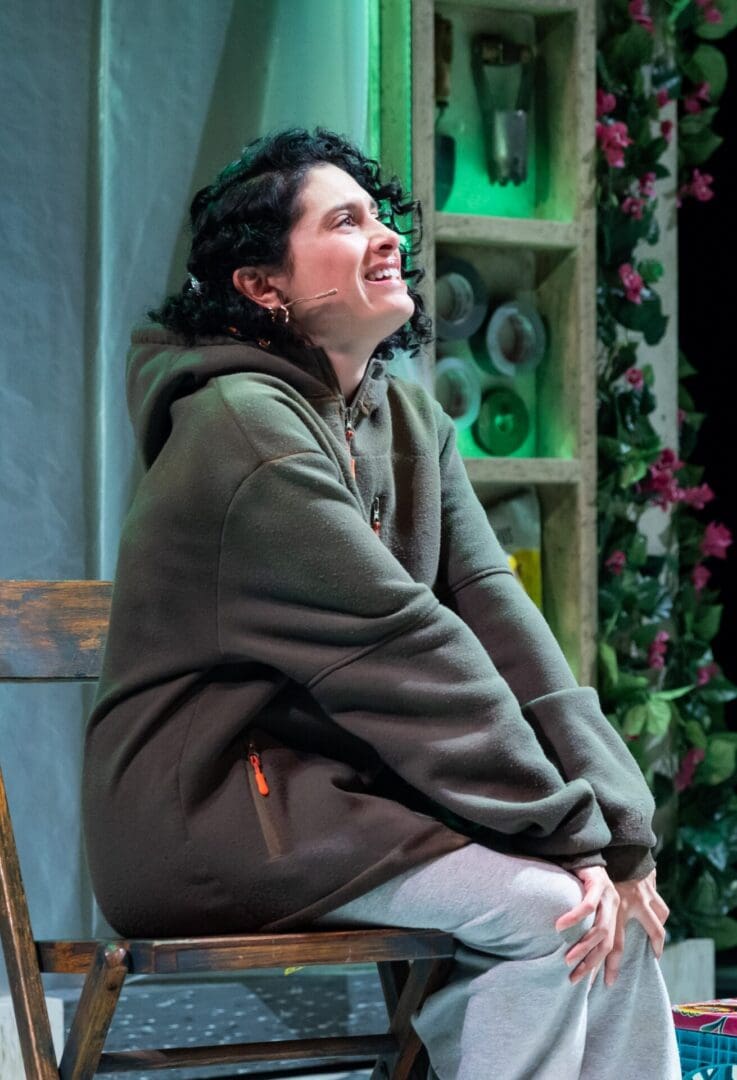
Andrea Ferro
That’s really the problem: Pharel is such a sharp, observant, and wickedly funny writer that even as she lurches from one scene to another, the success of individual scenes papers over cracks in the concept and structure. It’s a strange contradiction, but, as a whole, Dead Girl’s Quinceañera is both greater and lesser than the sum of its parts.
✦ ✦ ✦ ✦ ✦ ✦ ✦ ✦ ✦ ✦
photos by Justin Barbin
Dead Girl’s Quinceañera
Goodman Theatre
Owen Theatre, 170 N. Dearborn St. in Chicago
90 minutes, no intermission
Wed.–Fri. at 7:30; Sat. at 2 & 7:30; Sun. at 2; select Thu. at 2
ends on November 8, 2026
for tickets ($34–$79), call 312.443.3800 or visit The Goodman
for more shows, visit Theatre in Chicago
✦ ✦ ✦ ✦ ✦ ✦ ✦ ✦ ✦ ✦
