


Areas We Cover
Categories

THE EVOLUTION OF LIVE THEATER: HOW STAGE PERFORMANCES HAVE CHANGED OVER THE YEARS
by Susan Hall | October 28, 2026
in Extras, Technology, Theater
Introduction
People have been gathering to watch live theater for centuries, and somehow it’s still holding its own as a big part of human culture. It kicked off with open-air shows in the ancient world and has ended up in modern productions loaded with clever lighting, booming sound systems and digital tech, reinventing itself plenty of times along the way. Through all of that, theater has been a night out, a way of teaching, a voice for social commentary and a place for artists to express themselves. The heart of it, which is performers connecting with an audience, hasn’t really budged, but the way those experiences get made and put in front of people has changed almost beyond recognition.
Taking a closer look at how live theater has grown over the years gives a pretty clear picture of how cultural traditions, new technology and changing audience tastes have all left their mark on the performing arts.
The Origins of Traditional Theater
Theater’s roots stretch back to ancient civilizations, and ancient Greece is where it really took hold as a proper part of cultural life. Greek audiences were treated to tragedies, comedies and dramatic stories, usually staged during big public festivals. Actors put on masks and costumes and made the most of carefully arranged stages to show emotion and switch between all kinds of characters.
In those days, massive outdoor amphitheaters let crowds take in a show without any of the sound gear people can’t imagine doing without now. Performers had nothing to rely on except a strong voice, expressive movement and a knack for telling a story well enough to reach folks sitting way at the back.
Plenty of other civilizations were busy building theatrical traditions of their own, too. Ancient Roman shows threw comedy and drama together with grand public spectacle, while Asian cultures shaped their own unique styles of theater that wove in music, dance, costumes and symbolic gestures.
Many of the ideas these early traditions laid down are still quietly shaping stage performances today.
The Development of Theater During the Middle Ages
Once the Middle Ages rolled around, theater in a lot of European regions became closely tied to religious traditions and community celebrations. Religious plays tended to retell stories from biblical history, and people would watch them outside churches, out in public spaces and at seasonal festivals.
Bit by bit, though, theater started wandering away from purely religious subjects. Traveling performers carried comedy, storytelling, music and physical entertainment with them from town to town.
This stretch of history also made it clear just how much costumes, easy-to-recognize characters and dramatic presentation really counted. Performers had only a fraction of the resources modern productions enjoy, yet they still found inventive ways to draw a crowd and get some fairly complex stories across.
The Renaissance and the Growth of Professional Theater
The Renaissance turned the theatrical world on its head in a lot of ways. A renewed love for classical literature, a deeper interest in human emotion and a real appetite for artistic experimentation nudged playwrights toward more complicated characters and weightier dramatic themes.
This was the point where professional theater companies really started to settle in. Permanent playhouses gave performances a place to call their own, so productions could pull in bigger audiences and do it far more regularly.
Playwrights such as William Shakespeare did a great deal to shape the kind of dramatic storytelling that’s still around today. His plays took a hard look at human relationships, ambition, conflict, political power and personal identity.
Stage design got a lot more refined as well, and people started paying much closer attention to scenery, costumes and how a whole performance looked from the seats.
How Technology Transformed Stage Productions
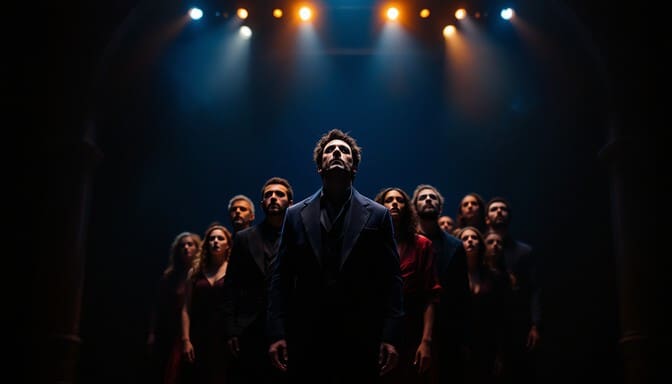
Technology has had an enormous effect on the way live theater is made and the way people take it in. Early productions had to make do with daylight, candles and very simple stage setups, while today’s theaters use advanced lighting systems to build atmosphere, pick out performers and create all sorts of eye-catching effects.
Sound technology has stepped things up too. Microphones, digital audio systems and well-thought-out acoustics make sure every line of dialogue, every bit of music and every sound effect reaches the audience loud and clear.
Digital tools have opened up a whole new set of creative possibilities on top of that. An AI video generator, for instance, can help creative professionals work up visual concepts, animated backgrounds and supporting video material for theatrical productions. With tools like this, production teams can try out different visual worlds before they settle on a final stage design.
Along the same lines, an AI image combiner lets people mix visual elements together into creative compositions. Designers can use this sort of approach to explore costume ideas, background arrangements, promotional artwork and visual references while everything is still on the drawing board.
Still, none of this technology can stand in for great acting, sharp direction and strong storytelling. What it really does is give creative teams a few more tools to help bring their artistic vision to life.
Changing Audience Expectations
As production methods have moved on, audience expectations have moved right along with them. Long ago, people mostly went to see a show as part of a community celebration or a cultural tradition. Nowadays, someone in the seats might be after a good time, an emotional connection, something to chew over afterward or a chance to step into a perspective they’ve never come across before.
Today’s audiences also have endless other ways to be entertained, from films and TV to streaming platforms and every kind of digital media. That’s why live theater has to give people something they simply won’t get from a recording.
The live give-and-take between actors and the crowd is still one of theater’s greatest strengths. Every show feels a little bit different from the last, depending on how the audience responds, how the performers play their parts that night and the general mood in the room.
That kind of direct connection makes for an experience digital entertainment can never quite match.
The Importance of Diversity and Representation
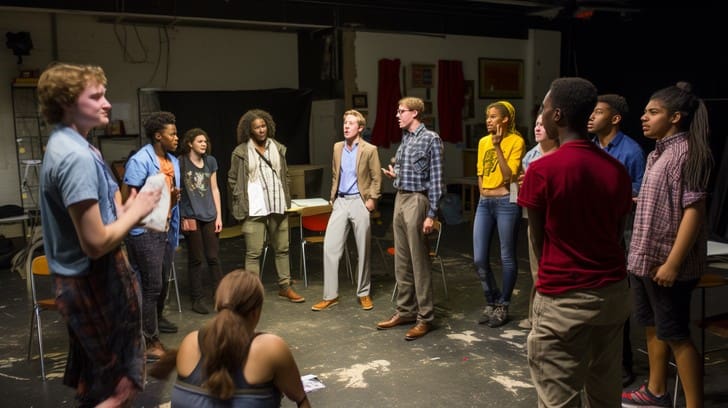
Modern theater is reaching further and further into stories from different cultures and social backgrounds. Playwrights and production teams are bringing characters, historical experiences and current issues to the stage that reflect a much broader mix of communities.
Because of this, audiences get the chance to see the world through eyes that may be very different from their own. Shows that take on identity, social inequality, family relationships, migration and cultural heritage can spark some truly meaningful conversations.
Diverse casting and more inclusive ways of putting on productions have also opened up opportunities for a wider range of performers and creative professionals. It all goes to show how theater keeps adapting to what’s going on in society.
The Future of Live Theater
Going forward, live theater will most likely mix tried-and-tested performance techniques with whatever new technology comes along. Virtual reality, augmented reality, interactive stage environments and advanced projection systems could give creative teams plenty of new ways to experiment.
Some productions might also play around with hybrid formats that combine live, on-stage performances with digital participation. Ideas like these could help theaters reach people who can’t get to a show in person.
Even so, no matter how much changes, the human touch will stay at the center of it all. Real acting, heartfelt storytelling, creative direction and the experience of sitting in a room full of people sharing the same moment are what keep live theater so special.
Conclusion
Live theater has come an incredibly long way, from the ancient amphitheaters right up to the tech-filled stages of today. Each period of history has brought something of its own to the table, whether it’s a new way of telling stories, a fresh production technique or a different artistic influence. Lighting, sound, stage design and audience expectations are always going to keep shifting, but what theater is really about stays the same: bringing stories to life through human performance.
As society and technology carry on changing, live theater will more than likely keep finding fresh ways to reach audiences, while still holding tight to the creativity, immediacy and emotional depth that have defined this art form for generations.
