


Areas We Cover
Categories

Film Festival Recap: 12TH ANNUAL GLOBEDOCS (Boston)
WHEN THE FILMMAKER DISAPPEARS
From Sonia to Playing POTUS, Boston’s documentary
festival explores the art of storytelling—and the
conversations that continue after the credits roll
The Boston Globe’s 12th annual GlobeDocs documentary film festival offered an eclectic mix of stories about social justice and activism, creative and political identity, and intimate portraits of everyday people. What I came away thinking about most was the difference between making an interesting documentary and making a narratively compelling one. Sonia and Playing POTUS were standouts among the handful I was able to see, though some of the highlights happened after the credits rolled.
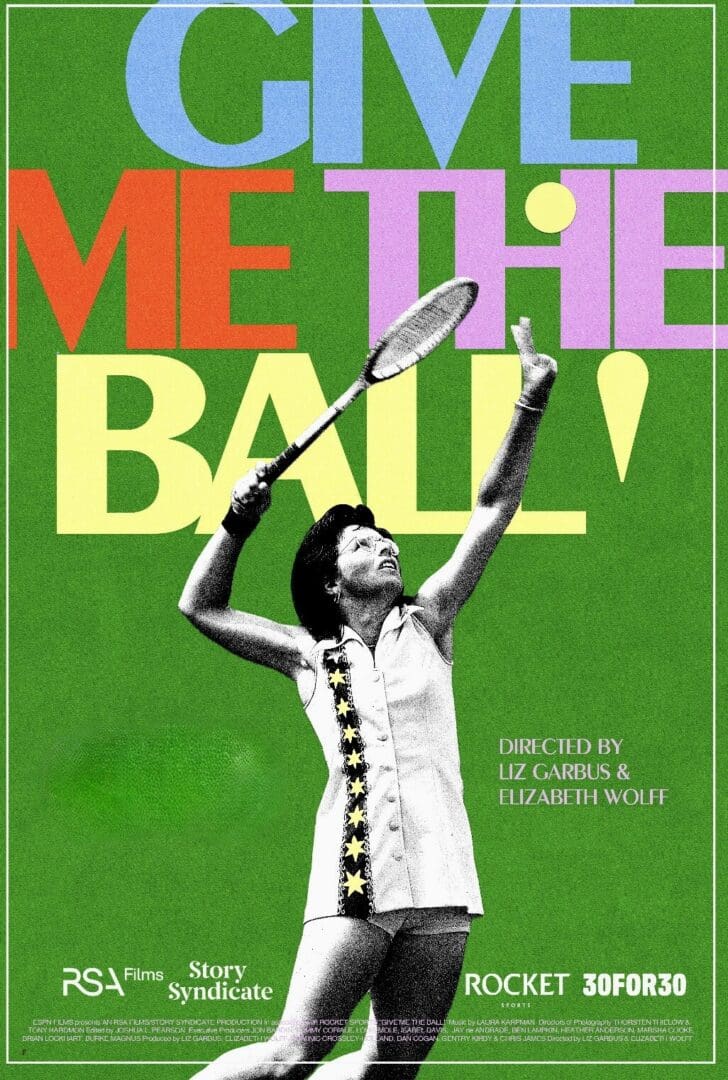
The 2026 lineup comprised 15 feature and 15 short films screened in local independent theaters as well as on demand on the GlobeDocs website. Discussions moderated by The Boston Globe journalists followed each premiere, including online panels recorded for viewing alongside the streaming films through November 1. In-person audiences were encouraged to vote for their favorites, and the awards for Best Feature (Give Me the Ball!) and Best Local Short (Sonia) were announced at the open-to-all reception on October 25.
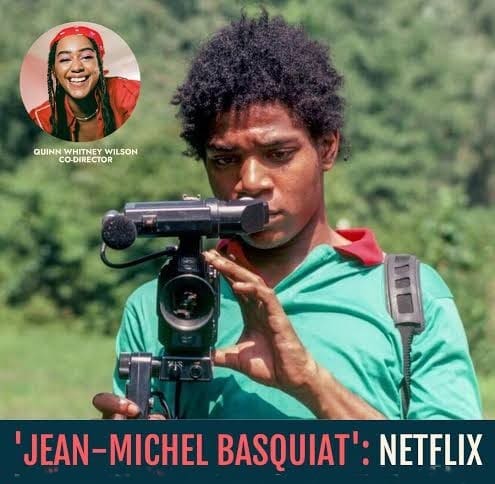
I saw the centerpiece film about Jean-Michel Basquiat, Jean-Michel, and spent all Sunday at the Brattle Theatre in Harvard Square. The morning block of shorts with local ties—Commonwealth, Kung Fu Video, A Song for the Snow Lion, Loving Pets Here and Hereafter, and Sonia—was followed by features Cut to David, The Oldest Person in the World, and closing-night film Playing POTUS. The in-person experience was exceptionally organized and smooth. Friendly ushers welcomed attendees, screenings filled the small space to capacity, and moderators asked interesting questions, engaged the audience, and kept tabs on timing. There was plenty of time between screenings to eat and explore, so spending over twelve hours at the event felt pleasurable. It’s an experience I’d look forward to repeating, perhaps even two days in a row!
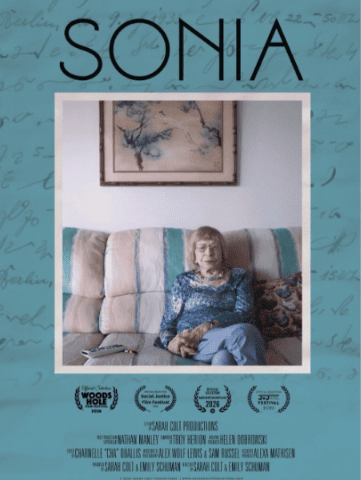
My favorite was actually a short, Sonia, an intimate biographical documentary about Holocaust survivor and pioneering feminist lawyer Sonia Pressman Fuentes. Like short stories, a good short film demands rigorous discipline and economy. It aims for the same emotional and intellectual impact as a feature, in a fraction of the time. I was impressed by how effectively Sonia conveyed Pressman Fuentes’s personality, which often had the audience in stitches. The documentary also clearly explained how her early experiences escaping the Holocaust influenced the trajectory of her life and ultimately shaped America’s sociopolitical landscape since the 1970s.
Similarly, Playing POTUS was so narratively effective because it maintained a direct and consistent focus on how powerfully comedians shape public perception and political outcomes. Though the director had over 50 years’ worth of material to cover, every clip and interview served the film’s hilarious thesis. Everyone I spoke with agreed about which documentaries stayed with them—and those were also the ones they loved most.
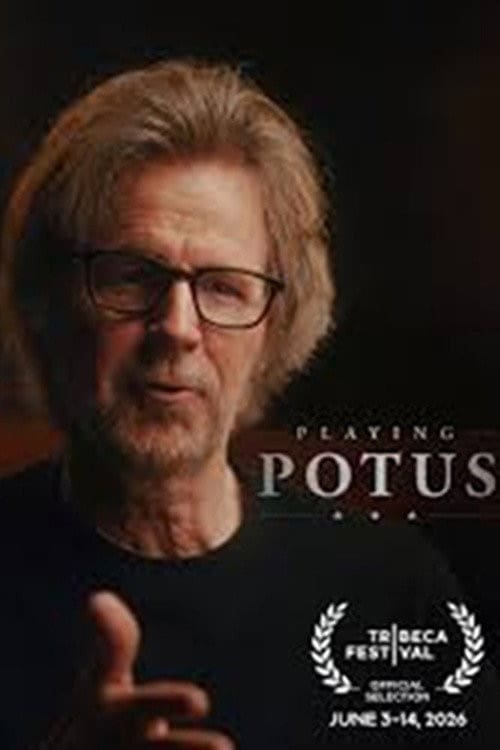
This gave me a surprising appreciation for the craft. I realized that the challenge in making a documentary is giving it narrative weight. The director must create a compelling story without the freedom to invent it. Watching one is often like witnessing the result of an interaction between filmmaker and reality unfolding over months or years. Perhaps this is why, when the focus was less coherent, I often felt that the film revealed more about its director than its subject. I could see the mechanics of the storytelling: the confusion, ignorance, or conflicting intentions behind the camera. This, too, was interesting for what it revealed about another person’s inner world, so I appreciated every film I saw.
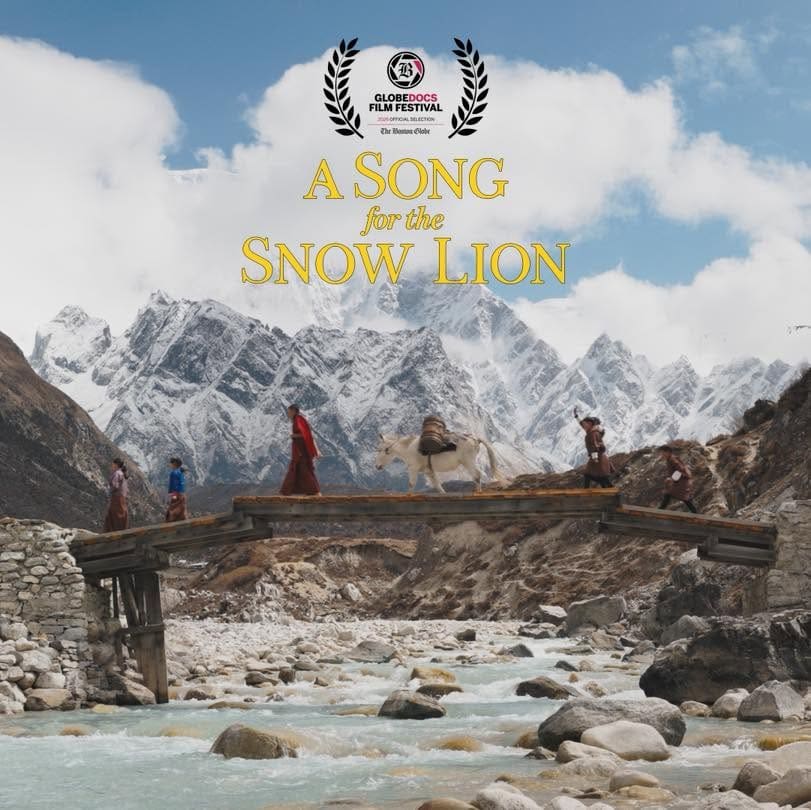
Some of my favorite moments happened beyond the screenings. After the shorts program, all the local filmmakers came onto the stage at once. What began as a moderated Q&A became a group discussion as they started casually chatting with one another and the audience. At the festival’s after-party, I spoke with Pawo Choyning Dorji, the director of A Song for the Snow Lion, learning about his broader body of work and the extraordinary logistics of filming high in the mountains of Bhutan. I also learned from a political scientist how Gallup polls and Pew Research Center surveys reveal the effects of media representation on the political system described in Playing POTUS.
Altogether, GlobeDocs felt communal and collegial. What could easily have been just a succession of movie screenings became a gathering around a shared appreciation of the wonder and power of this unique medium. The festival succeeded not because every documentary was exceptional, but because it brought together a diverse array of films—and the people who love them.
✦ ✦ ✦ ✦ ✦ ✦ ✦ ✦ ✦ ✦
GlobeDocs Documentary Film Festival
12th annual edition
The Brattle Theatre, Coolidge Corner Theatre, Alamo Drafthouse Theatre
streaming on-demand through November 1, 2026
for more info, visit GlobeDocs
✦ ✦ ✦ ✦ ✦ ✦ ✦ ✦ ✦ ✦
