


Areas We Cover
Categories

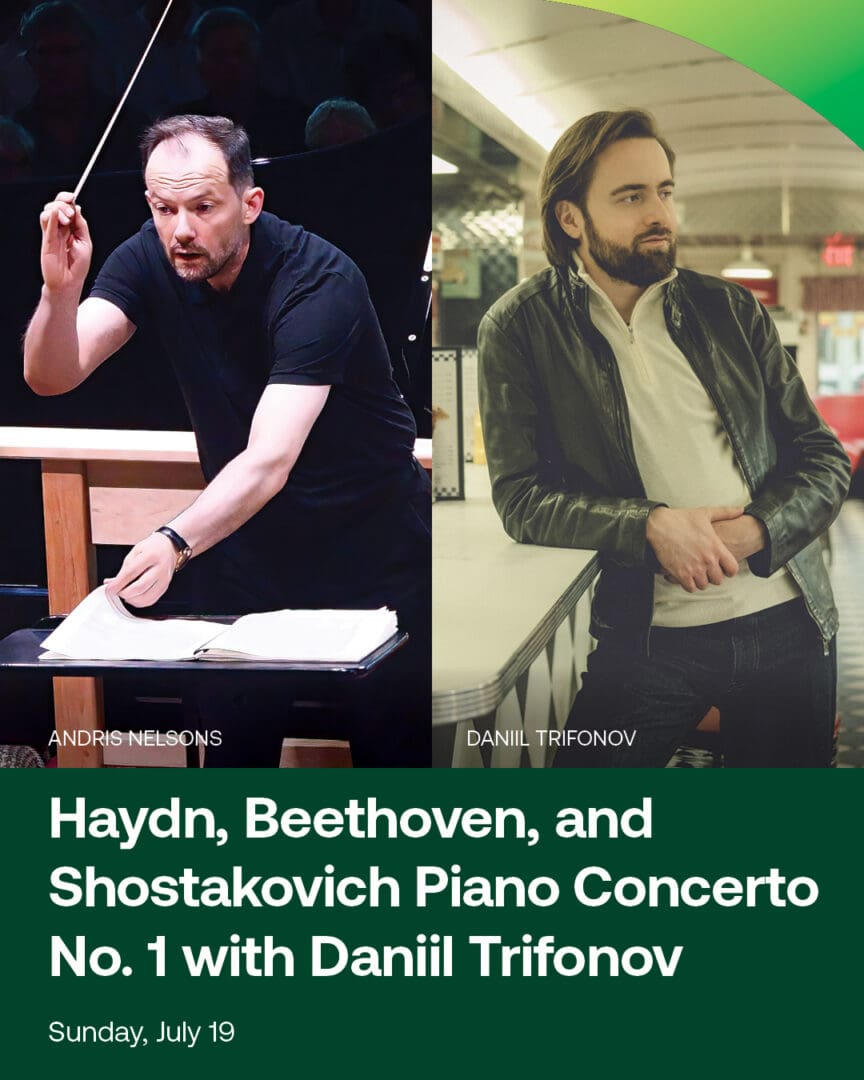
Music Review: BSO: HAYDN, BEETHOVEN, AND SHOSTAKOVICH PIANO CONCERTO NO. 1 (Andris Nelsons, Daniil Trifonov / Tanglewood / Lenox, MA)
by Lynne Weiss | July 22, 2026
in Boston, Music
A DEEPER DIVE PAYS OFF
A weekend of rehearsals, lectures,
and a superb concert reveals
the rewards of listening deeply
The Sunday July 19 program for the afternoon concert at the Boston Symphony Orchestra’s summer home, Tanglewood, included works by Joseph Haydn (Symphony No. 22 in E-flat, The Philosopher), Dmitri Shostakovich (Piano Concerto No. 1), and Ludwig van Beethoven (Symphony No. 2). While I was fairly familiar with the Beethoven, the Haydn and the Shostakovich were unfamiliar to me. To enhance my appreciation of the performance, I decided to delve into the many educational resources provided by Tanglewood and beyond.
To that end, I attended the Open Rehearsal the day before the performance. These ticketed open rehearsals, held on Saturday mornings at 10:30 a.m., are preceded by a pre-rehearsal talk at 9:30, delivered by BSO Director of Program Publications Robert Kirzinger. He set the context for the three pieces. He explained, for example, that Shostakovich quotes from Beethoven’s brief comic rondo, “Rage Over a Lost Penny,” in his Piano Concerto No. 1, and that although the piece is called a piano concerto, it includes a second soloist—a trumpet.
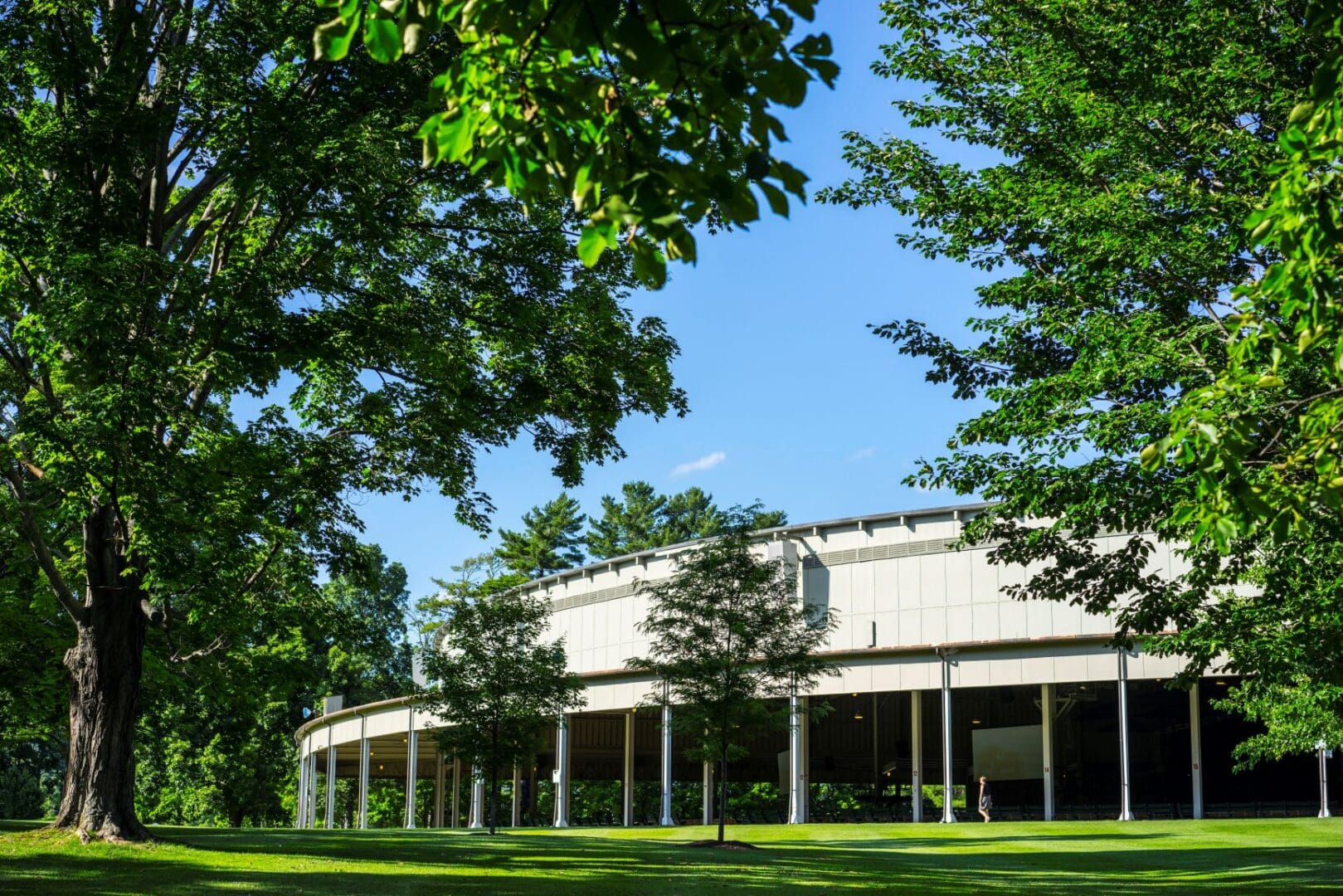
Tanglewood Shed (photo by Marco Borggreve)
BSO members were attired in jeans and short-sleeved shirts, but there was nothing relaxed about their performance. They played with the same intensity they would bring to the actual concert, but numerous times during the rehearsal, Nelsons called on the musicians to repeat a passage with a changed or renewed emphasis. Most of his instructions were directed to Concertmaster Nathan Cole who, like many others on the rehearsal stage, wore a Boston Symphony Musicians United T-shirt, a sign of the ongoing protest of the decision by BSO trustees not to renew the contract of BSO Music Director Andris Nelsons after it expires in 2027.
Solo guest performer Daniil Trifonov, surprisingly casual in baggy shorts and a T-shirt given his stellar reputation for virtuosic skill, rose from his piano bench multiple times to consult with Nelsons, presumably to request an additional run-through of selected passages in the Shostakovich.
Throughout this process, the pauses and repetitions served to add emphasis and helped me recognize the sections of the performance that the conductor and pianist found particularly important. I valued the opportunity to hear all three pieces in advance of the formal performance.
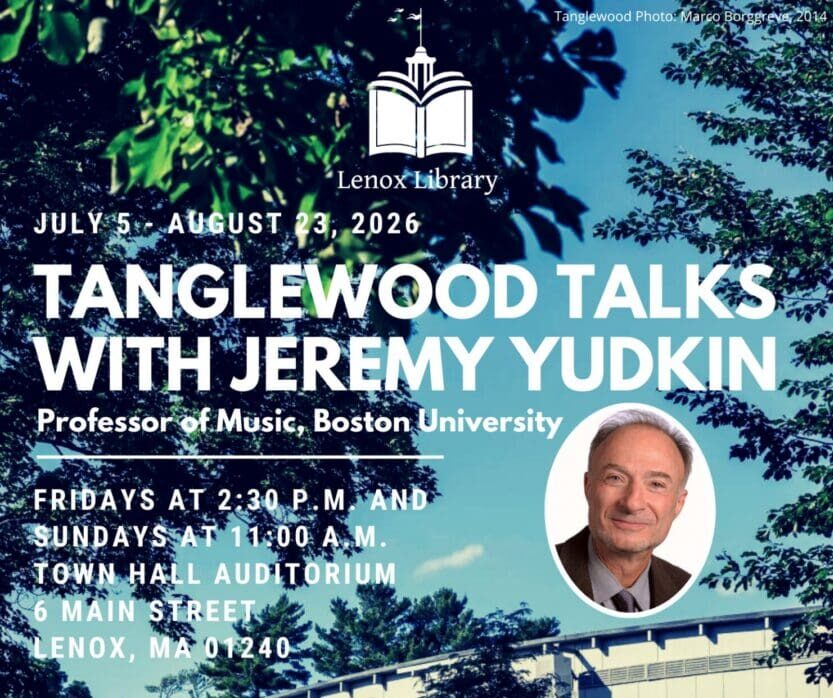
On Sunday morning, thanks to the generosity of the Lenox Library Association, I attended a free Tanglewood Talk in the Lenox Town Hall. These pre-concert lectures, held on Friday afternoons and Sunday mornings by Boston University Professor of Music Jeremy Yudkin, are open to the public, whether or not one holds a ticket to a Tanglewood concert. Yudkin is knowledgeable and entertaining, offering musical analysis and biographical background for each piece to be performed at either the upcoming Friday night or Sunday afternoon concert.
I learned a great deal about Haydn’s relationship to the Hungarian Esterházy family and his attitude toward his compositions. Writing before the Romantic period, Haydn made no effort to incorporate his emotional experiences into his music; his music, according to Yudkin, was about music. The pleasure of Haydn is the way he plays with expectations, setting us up for something that never happens, or providing an unexpected twist, whether a change in tempo or melodic direction. While Haydn is famous for his “Surprise” Symphony, witty surprises are a feature of most, if not all, of his work.
Yudkin went on to discuss the Shostakovich and Beethoven compositions, sharing the moving context of Beethoven’s Second Symphony, written during the summer of 1802. The 31-year-old composer, who had yet to write some of the world’s greatest symphonies, was coming to terms with his progressive and irreversible hearing loss at that point, and seriously contemplating suicide. After writing a farewell letter to his brothers, however, he found within himself the courage to continue creating music in the face of his worsening deafness.
Following Yudkin’s fascinating lecture, it was time to return to Tanglewood’s lovely grounds on a perfect summer day with temperatures in the mid-70s, low humidity, and the gentlest of breezes.
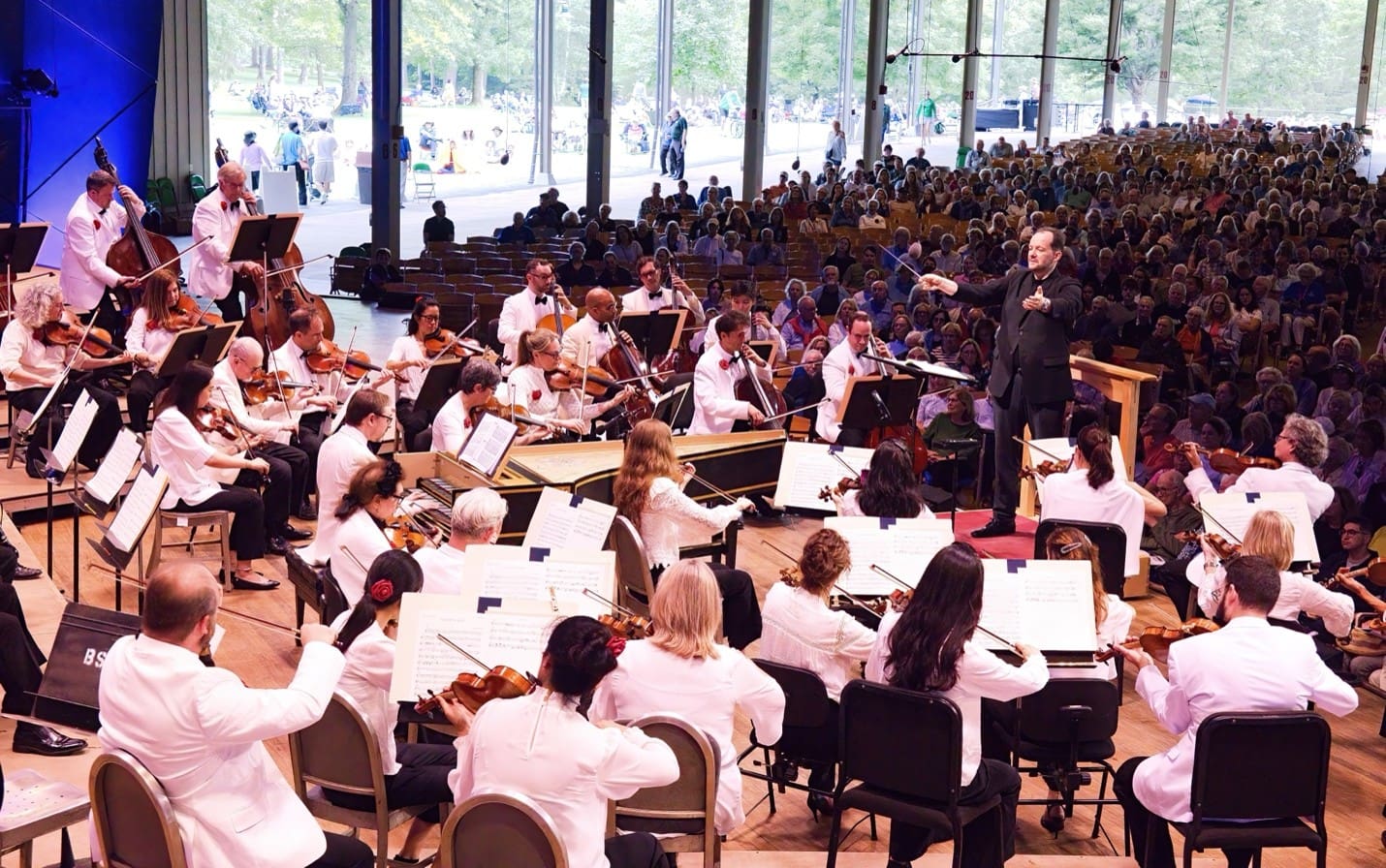
Boston Symphony Orchestra
As noted in the pre-concert talks by Kirzinger and Yudkin, wit was the theme of the Sunday afternoon concert. After a satisfying rendition of the Haydn, we were on to the signature piece of the afternoon—the Shostakovich. His Piano Concerto No. 1 enhanced the Russian composer’s reputation as a virtuoso and earned him numerous invitations to perform throughout the Soviet Union. The demands made of the pianist in the piece may have been an effort to deter potential competitors.
Of course, Shostakovich had not encountered Trifonov.
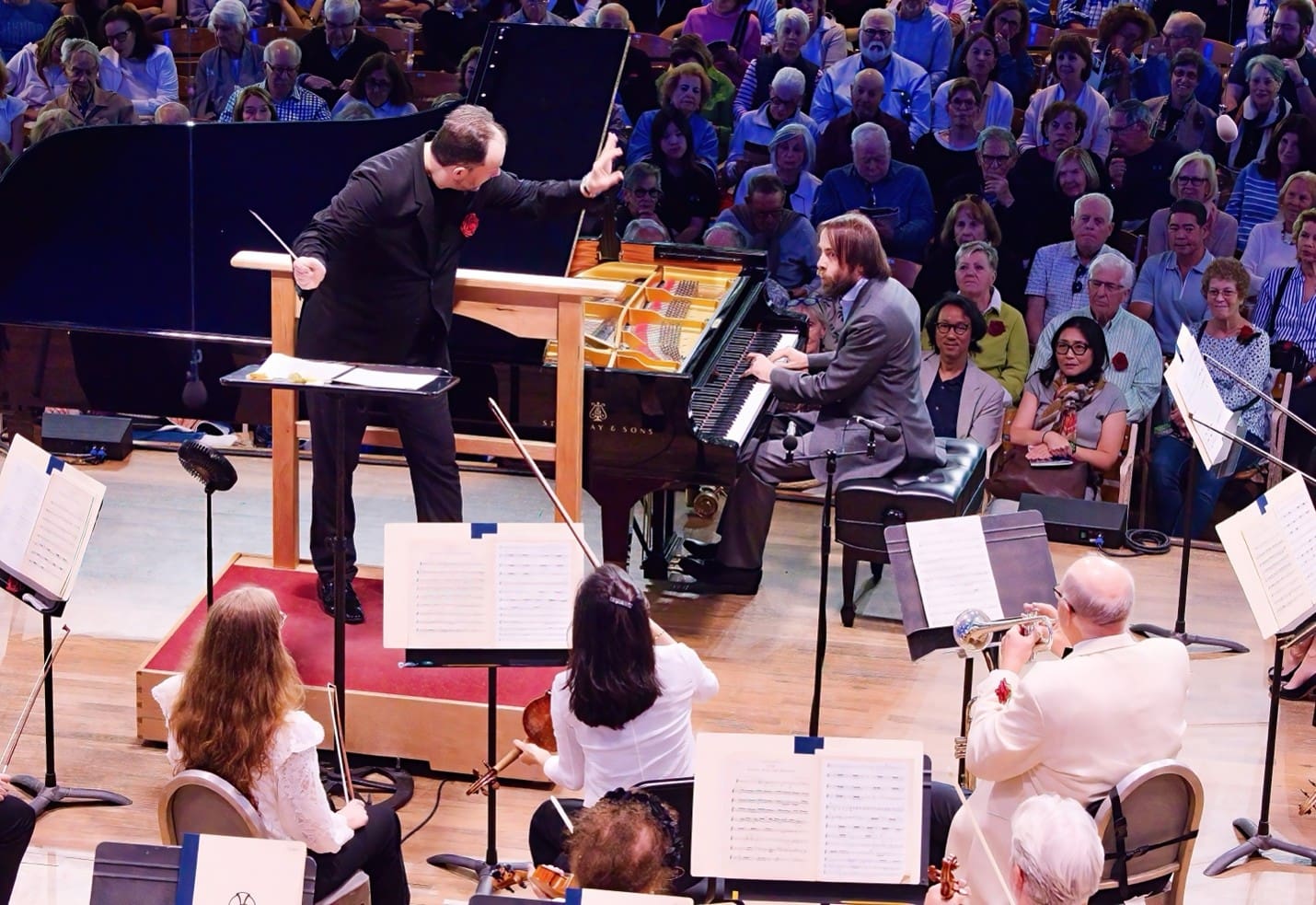
Andris Nelsons and Daniil Trifonov
The concerto includes many lyrical passages that might have found their way into one of the film scores Shostakovich wrote. But it also includes frenzied variations on those melodies—passages that required Trifonov to strike the keyboard with such force he sometimes rose from his seat—and collages of quotations from Haydn and Beethoven, folk songs, circus music, and hunting calls. Poking fun at traditional orchestral arrangements, Shostakovich calls on the violinists to strike their strings with their bows to provide percussion. The trumpet echoes the piano, and the piano taunts the trumpet. At other times, the strings mock the trumpet and then join it to create a crescendo of sound that gives way to an astonishing cascade of piano arpeggios that left me breathless.
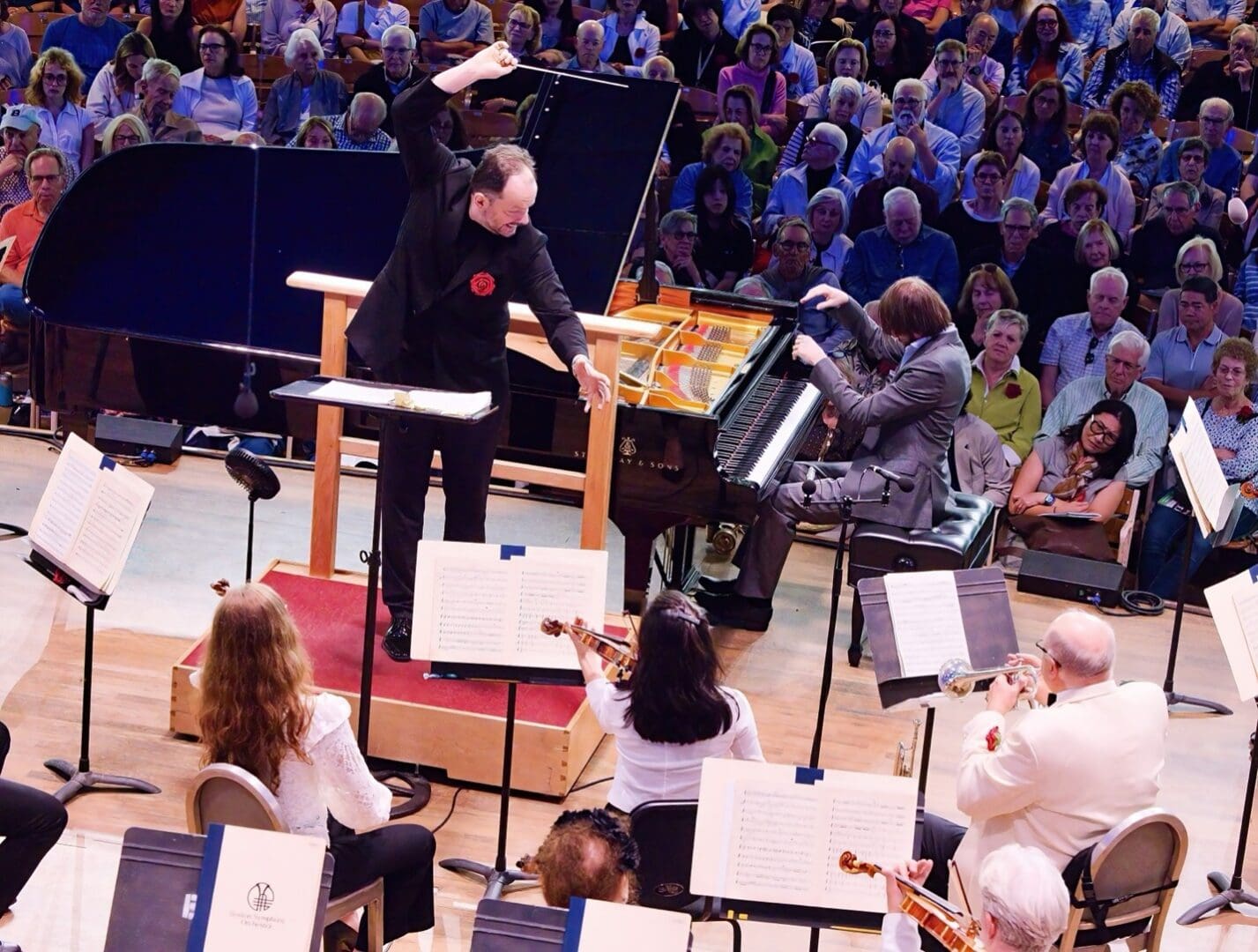
Andris Nelsons and Daniil Trifonov
Demands for an encore brought Trifonov back to the stage where he performed the musical theme from The Last of Us. Written by Argentine musician and composer Gustavo Santaolalla, the piece involved playing a subdued repetitive phrase in the center of the keyboard with the right hand while Trifonov used his left hand to sometimes pluck and punch the strings inside the piano and at other times move about the keyboard, often crossing over the right hand to reach the treble notes. It wasn’t quite the encore one expects, but surprise was the theme of the afternoon.
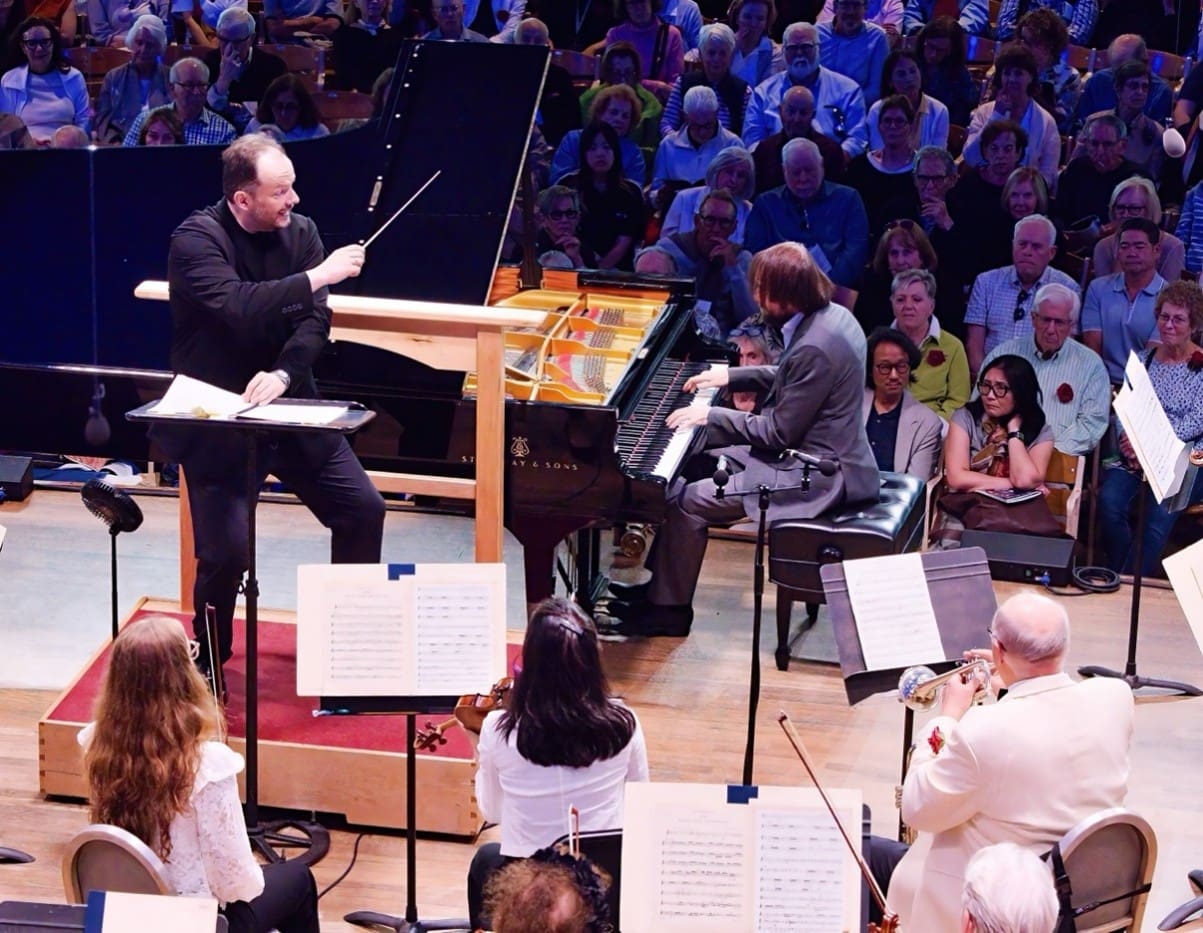
Andris Nelsons and Daniil Trifonov
Following the intermission, the concert was devoted to Beethoven’s Second Symphony. Thanks to my deep dive into the pre-concert talks and the rehearsal, I heard the piece afresh. I found hints of Beethoven’s later, more famous Fifth Symphony in the first movement. I appreciated the search for—and discovery of—hope in the repetition of its upbeat theme by multiple instruments, including the timpani. His slower second movement evoked an image of a fairy godmother sprinkling sparkling bits of music, like seeds that might someday sprout and blossom. In its extreme shifts of volume, the fourth movement evoked an auditory trampoline and suggested a mischievous child creeping around a corner and jumping out to shout “boo!”
The music finally built to a joyous crescendo, culminating in a defiant fist pump from Nelsons. Whether intended or not, the gesture echoed both Beethoven’s triumph over deafness and the resilience of a conductor whose impending departure from the BSO has stirred such passionate opposition.
✦ ✦ ✦ ✦ ✦ ✦ ✦ ✦ ✦ ✦
photos by Hilary Scott
Boston Symphony Orchestra at Tanglewood
Boston Symphony Orchestra
Tanglewood, 297 West St. in Lenox, MA
performed July 19, 2026
for future shows, visit Boston Symphony Orchestra
✦ ✦ ✦ ✦ ✦ ✦ ✦ ✦ ✦ ✦
