


Areas We Cover
Categories

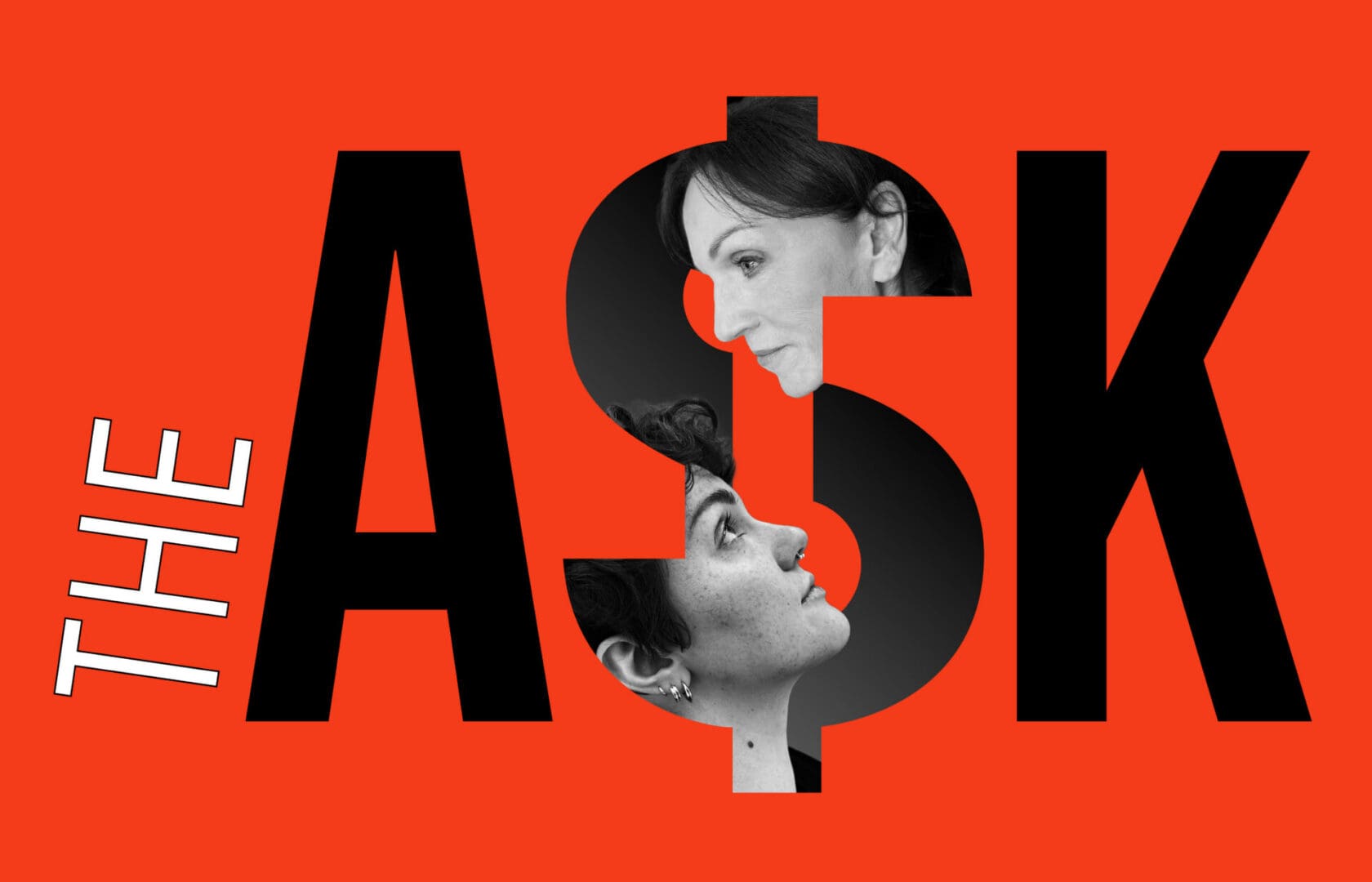
Off-Broadway Review: THE ASK (Theater 555 / New York)
by Gregory Bernard | October 16, 2026
in New York, Theater
THE COST OF CONVICTION
Marilu Henner and Shannon Purser
face off in a provocative debate
that takes too long to get started
Matthew Freeman’s new play, The Ask, now running at Off-Broadway’s Theater 555, begins with a seemingly straightforward encounter: Greta (Marilu Henner), a longtime donor to the ACLU, is meeting with Tanner (Shannon Purser), a young ACLU fundraiser. Greta missed her annual donation last year, and Tanner is there to check in, get her back on schedule, and, ideally, ask for even more. The first half of this 75-minute play feels like an extended exercise in polite small talk with a stranger. Sweet Cuban coffee is served, text messages are answered, and phone calls are taken. Not engaged at all, was I watching a training session on how to establish rapport with a donor before asking for money? I wasn’t sure what I was supposed to get from this encounter.
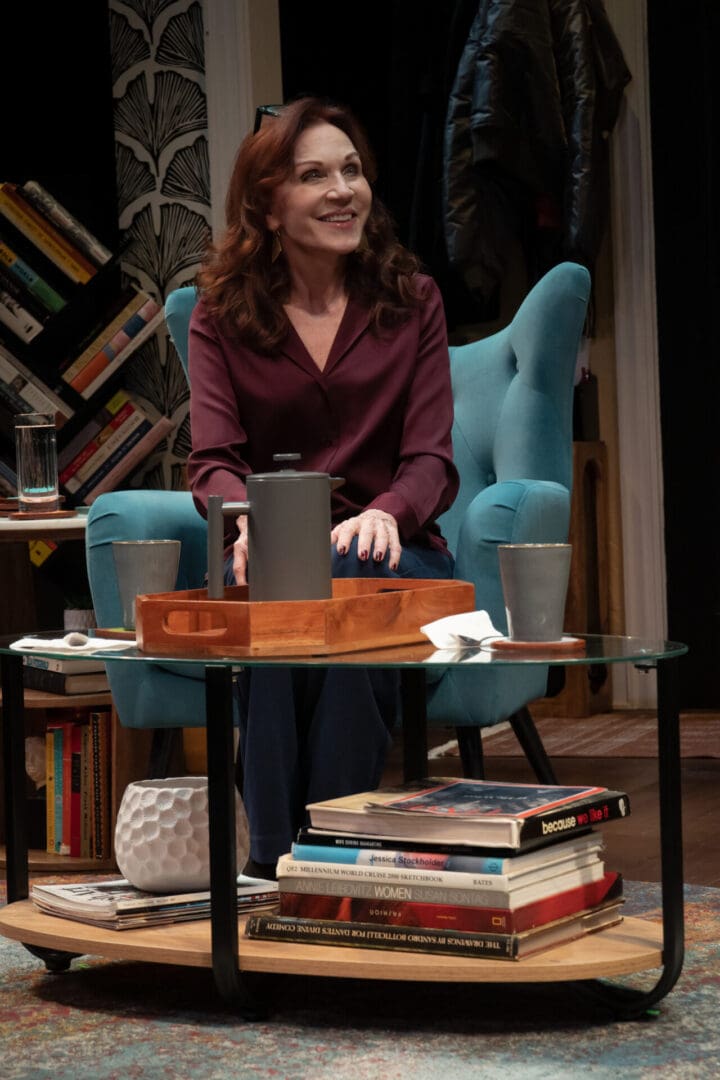
Marilu Henner
Yes, Henner looks fantastic, redefining what being in one’s mid-70s can be. (Nicole Wee designed the costumes.) And the realism of Greta’s Upper West Side apartment is spot-on, down to two framed pieces of art leaning against the wall beside the front door, awaiting their eventual fate: to be hung, sold, or given away. (Craig Napoliello designed the set.) Everything about the apartment suggests a wealthy woman capable of donating $100,000 annually to the ACLU. Except for last year.
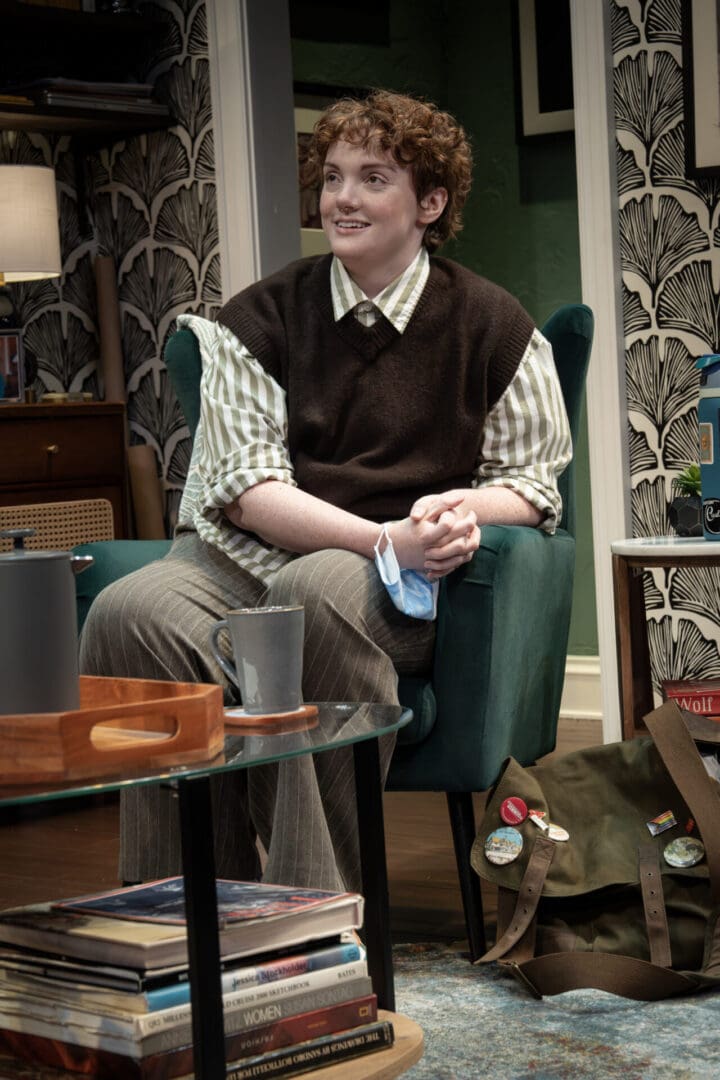
Shannon Purser
The year is 2022, and Tanner asks Greta if she’s comfortable with Tanner not wearing a mask. Tanner’s clothing also suggests a nonbinary identity. Their language, meaning Tanner’s, reflects the polished training of an experienced fundraiser: “I hear what you’re saying; I acknowledge your concerns.” And so it goes.
It’s only when Greta reveals that she didn’t forget to donate last year but deliberately chose not to that I finally leaned forward. Conflict at last! As the two women, one older, one younger, lay out their respective positions, both make arguments that are understandable. The ACLU’s mission is broad and expansive, and supporting its work doesn’t necessarily mean agreeing with every position it takes.
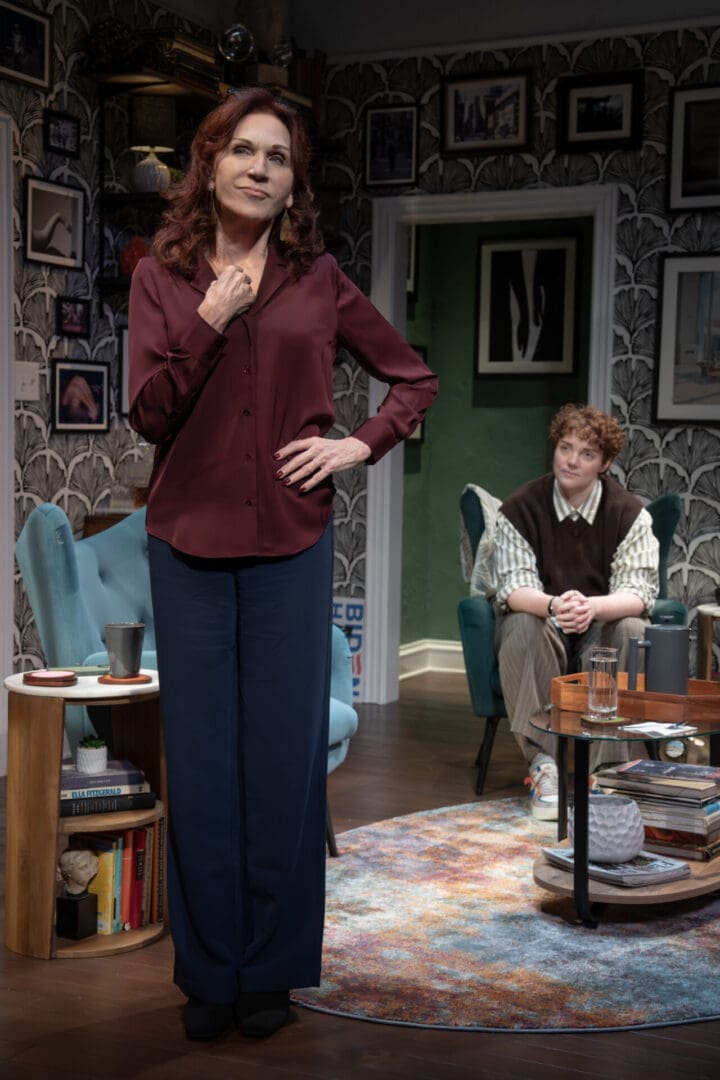
Marilu Henner and Shannon Purser
But Greta has spent decades fighting for and supporting women’s rights, and she bristles when Tanner utters “pregnant people,” refusing to use the word “woman.” For Greta, the issue is personal, rooted in a lifetime of advocacy. For Tanner, the words reflect inclusive language. What might seem like a straightforward disagreement over terminology becomes a much larger clash of values, lived experience, and generational expectations.
Greta is not easily deterred. She has money, knows its power, and is willing to use it to challenge Tanner’s convictions. As the cultural and emotional fault lines widen, the question becomes not simply who will prevail, but what winning might actually mean. And who, in the end, has the greater power.
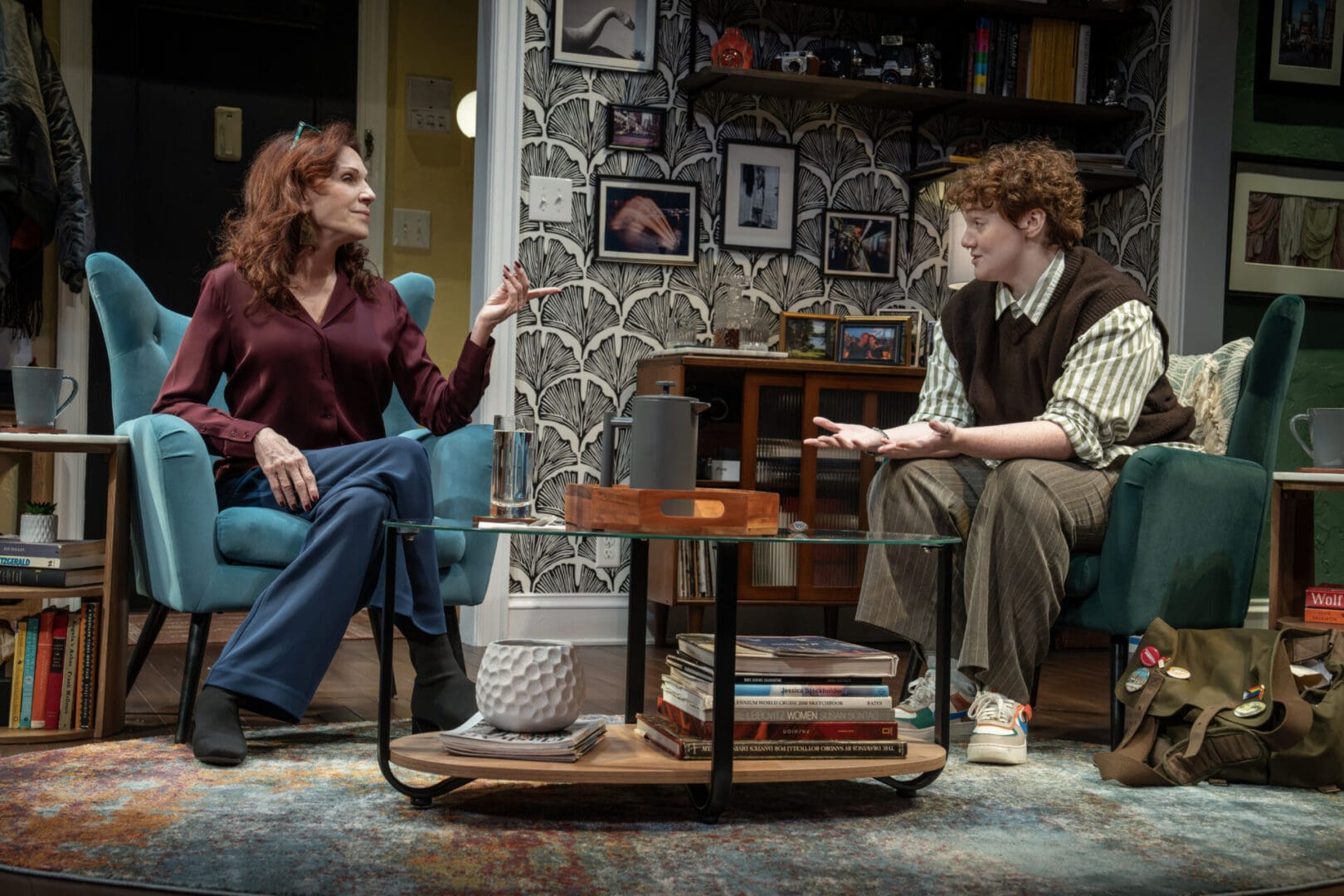
Marilu Henner and Shannon Purser
Freeman draws on his experience as an ACLU fundraiser, although he emphasizes that the play is fiction. He describes his subject as the power of money, “how it defines the generational divide on the Left, and how it works against even our most valiant attempts to bridge that divide.” It’s difficult to determine which side the playwright favors, and perhaps that ambiguity is one of the play’s strengths. Both perspectives receive a fair hearing, even if the dramatic weight isn’t always evenly distributed.
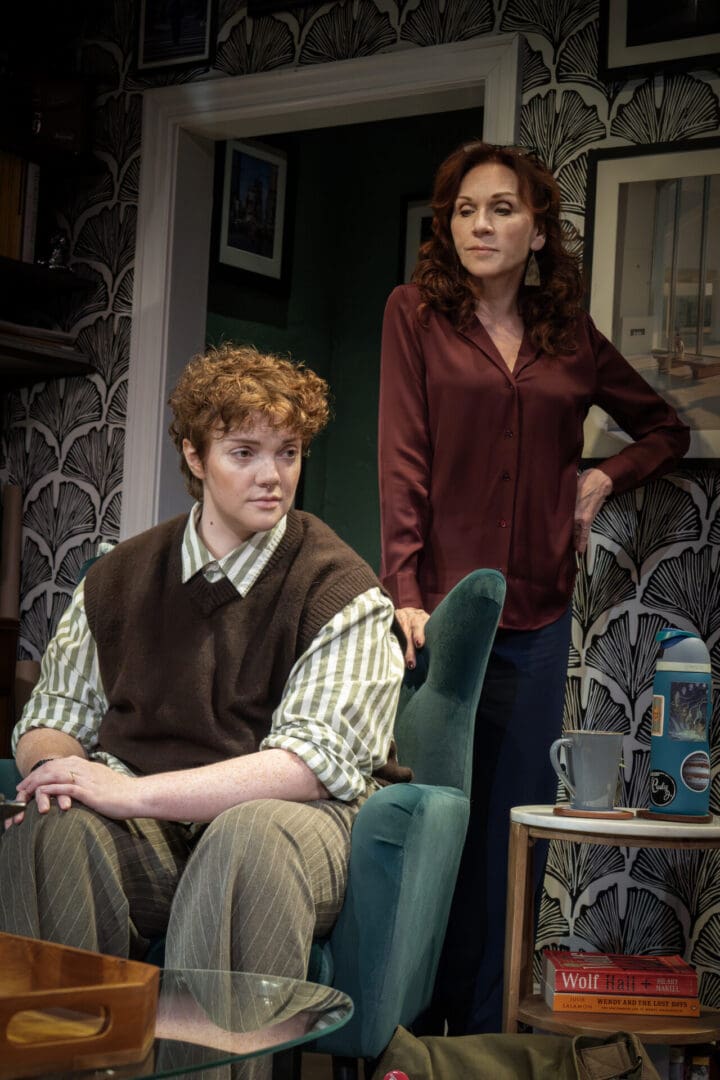
Shannon Purser and Marilu Henner
Tanner, after all, is there for the job, to ask for a donation five times larger than Greta’s previous contribution. It gives Purser a meatier role, filled with rich subtext beneath the practiced language of fundraising, which they navigate with impressive precision. Henner’s Greta has a different kind of advantage: she’s at an age when, as many of us might imagine, the filters begin to fall away. And if age doesn’t grant you permission to say whatever you want, money does.
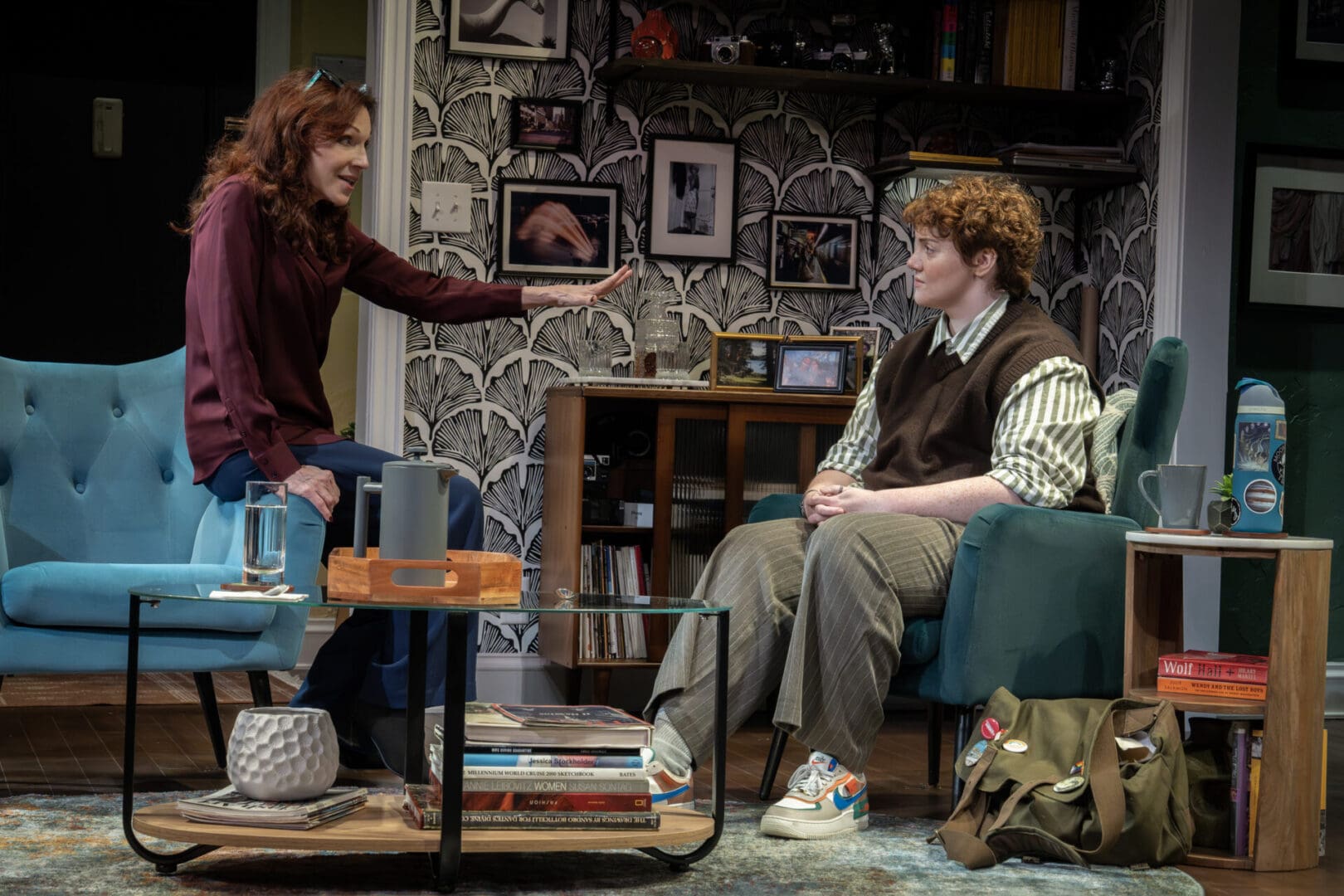
Marilu Henner and Shannon Purser
Directed by Jessi D. Hill, The Ask involves a great deal of sitting and talking, with movement that too often feels like busywork rather than meaningful action. Once the central conflict finally emerges, the production becomes considerably more compelling. Have patience. That is, if this debate is something you’d like to see dramatized.
✦ ✦ ✦ ✦ ✦ ✦ ✦ ✦ ✦ ✦
photos by Joan Marcus
The Ask
Theater 555, 555 West 42nd Street in New York
75 minutes
ends on Nov. 22, 2026
for tickets, visit The Ask
for more shows, visit Theatre in New York
✦ ✦ ✦ ✦ ✦ ✦ ✦ ✦ ✦ ✦
