


Areas We Cover
Categories

Los Angeles Theater Review: HOOKED (Los Angeles Theater Festival at the Complex’s Ruby Theatre)

by Jason Rohrer | September 17, 2015
in Los Angeles
“DON’T LOOK AT ME”
Jillian Leigh’s second play, Hooked, is extremely ambitious and fairly successful in the hands of director Terri Treas, producer Michael Zand, and a strong cast including the playwright. While the play could use another couple of drafts and at least one scene either more or less, and though the opening-night performance weathered a technical wobble or two, the show’s potential merits are many, and its venue at the (also brand-new) Los Angeles Theater Festival is the kind of opportunity emerging writers need in order to get shows on their feet.
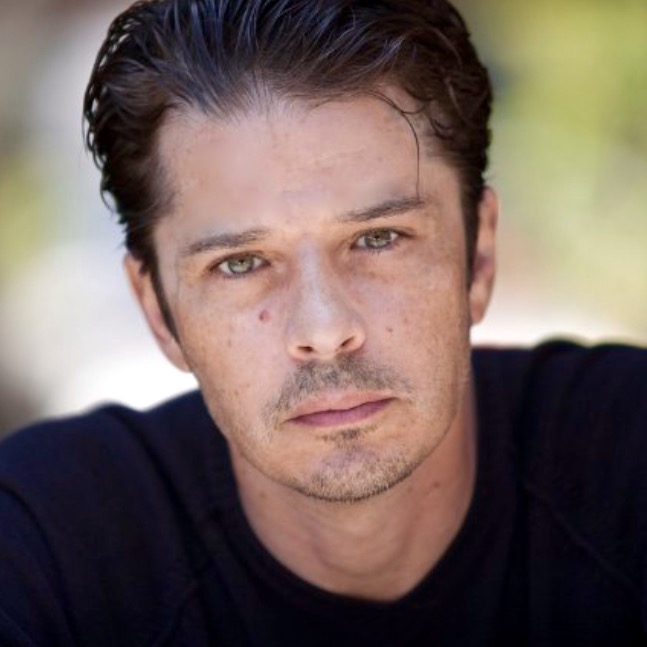
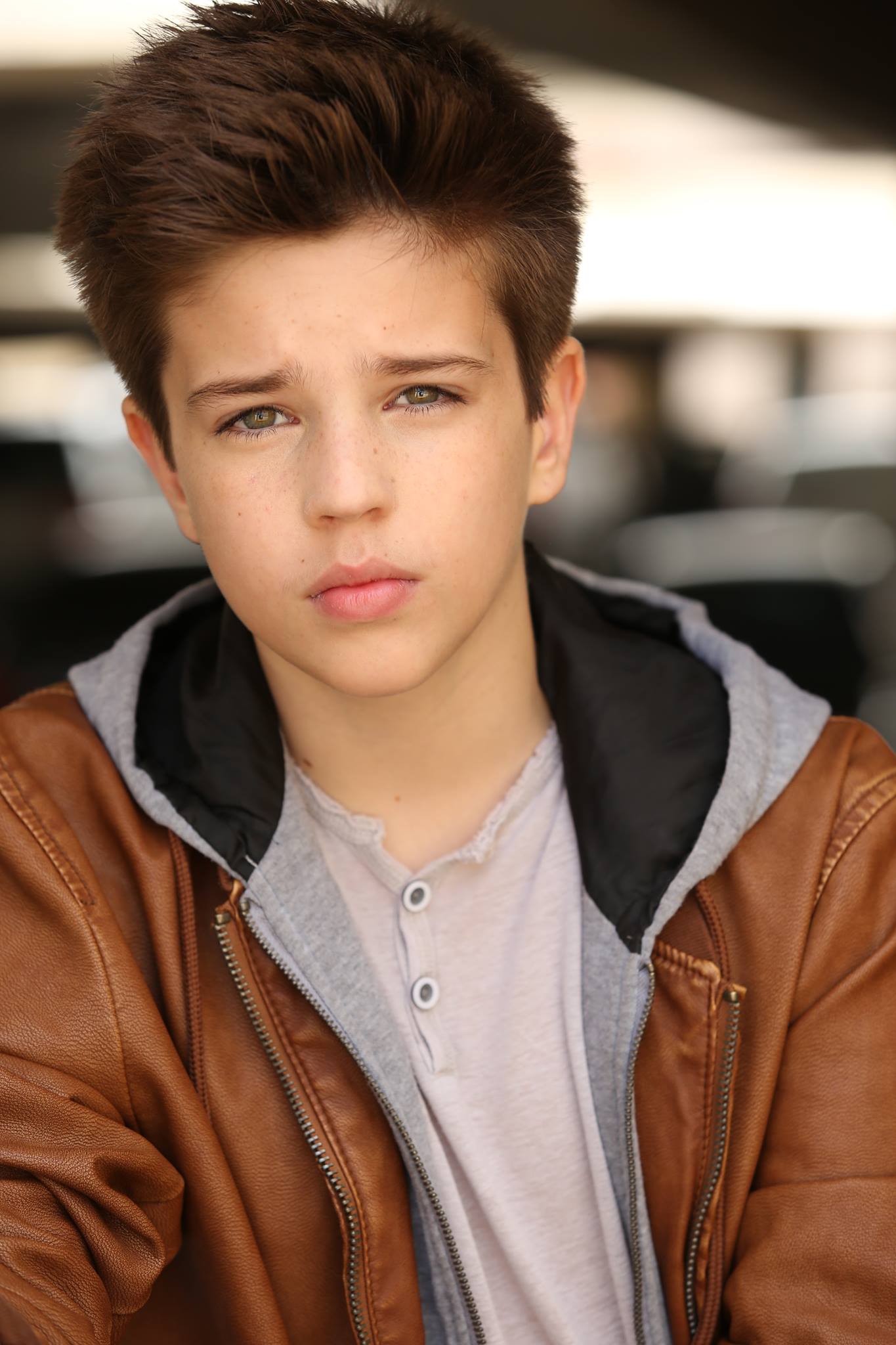
Hooked introduces themes of official misconduct, art therapy, high- and low-class prostitution, all sorts of sexual power play, and a few types of addiction in telling the story of Joe, the homeless child of a junkie dilettante in 1980s Manhattan. Joe survives the Tompkins Square Riot and violence of a more domestic nature to grow up superficially successful, but carries the lifelong scars of dysfunction under the skin. Played by Seth Lee as a child and Rodney Eastman as an adult, Joe finds in his inequitable relationships with women both a respite from and a reprise of the horrors to which he has been witness.
 Early scenes between Joe and his mother’s sometime girlfriend, the street hooker Kim (Sasha Higgins), feature the play’s strongest writing – the dialogue is fun and zippy and character-specific, the exposition invisible, the action fascinating and irresistible. What’s unstated verbally is expressed physically, or via emotional misdirection; subtextually speaking, it’s a very nice first act.
Barricaded in a tenement squat while police batter protesters outside the window, the boy and the woman share a complicated relationship partly love, partly self-interest, partly mutual curiosity. Higgins portrays with reserve and tact a strong, lively person not entirely sure of her own motivations; wisely, Leigh has written the heavy lifting onto the shoulders of the older character. But Lee convinces as a confused kid trying to act tough. Trapped by the literal chaos of the world outside, these characters seek in each other a moral demilitarized zone without the trappings of transaction or brutality. They find, ultimately, that this may be too much to ask of the Lower East Side.
 After intermission, having matured and moved uptown, Joe engages in a controlling relationship with a young prostitute named Alex (Leigh), herself a mildly complicated baggage. Although Leigh and Eastman are both very good in their roles, their characters make for a less interesting couple than the one in the first act. The stories they pull from each other are thematically compelling, but as characters they are rather thin work, and dramatically they are borderline unnecessary. They’re there to make a point about the abuse of power, and to round out a reverie on high- and low-class prostitutes begun in the first part. As story elements, Alex and Joe are no more than serviceable. Their utility devolves into on-the-nose language that the first act would not tolerate.
The single-scene second act also sustains a long false start containing a surprise hook that feels rather like the opening act of a late 20th Century play: more clever construction than useful complication or valuable insight. And the rushed-feeling climax of the play, in which Joe is emotionally extorted into monologuing the events immediately following the opening scenes, made me want either an intervening period in which to spend more time with the grown child, or, better, an expansion of the first act into a unified and satisfying entity. Whether as a child or as a man, Joe has the potential to be a fascinating character, but he needs more to do in order to allow the audience to understand and care about the damage done him – and by extension, the damage done all of us by a corrupt and decadent society.
 In both acts, Treas keeps the action moving and the bodies interestingly positioned. Treas is a director obviously interested in character, and even the underwritten Alex and grown-up Joe give a strong sense of individual personhood. Given the fairly primitive festival conditions, it’s to the director’s credit and that of the scene and lighting designers (Paul Howle and Christie Conochalla, respectively) that although they share multiple scenic elements, the play’s two locations are immediately distinguishable.
Leigh displays a great deal of talent here, an ability to bury political agenda deep within human drama, largely on the strength of hot dialogue. Having had the chance to stand her play up and let other people look at it, I hope she will now do the hard work of knocking it apart and making more of it. Given the insularity of existing membership companies, and the ever-expanding epidemic of theater closures (farewell, Elephant), inexpensive little start-up festivals like the LA Theater Festival are going to be an ever-more important part of the young playwright’s world. After all, a playwright without a stage is properly called a typist.
Hooked
part of the Los Angeles Theater Festival (running thru Oct. 11, 2015)
The Ruby Theatre at The Complex
6476 Santa Monica Blvd in Hollywood
ends on October 11, 2015
for tickets, visit hookedplay.brownpapertickets
