


Areas We Cover
Categories

New York Opera Review: AGRIPPINA (The Met)
by Caroline Cao | February 26, 2020
in Music, New York
GRIPPING AGRIPPINA
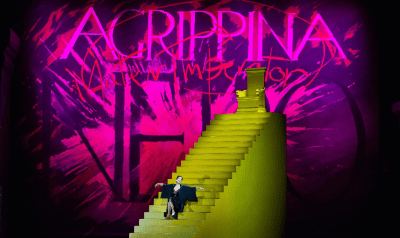
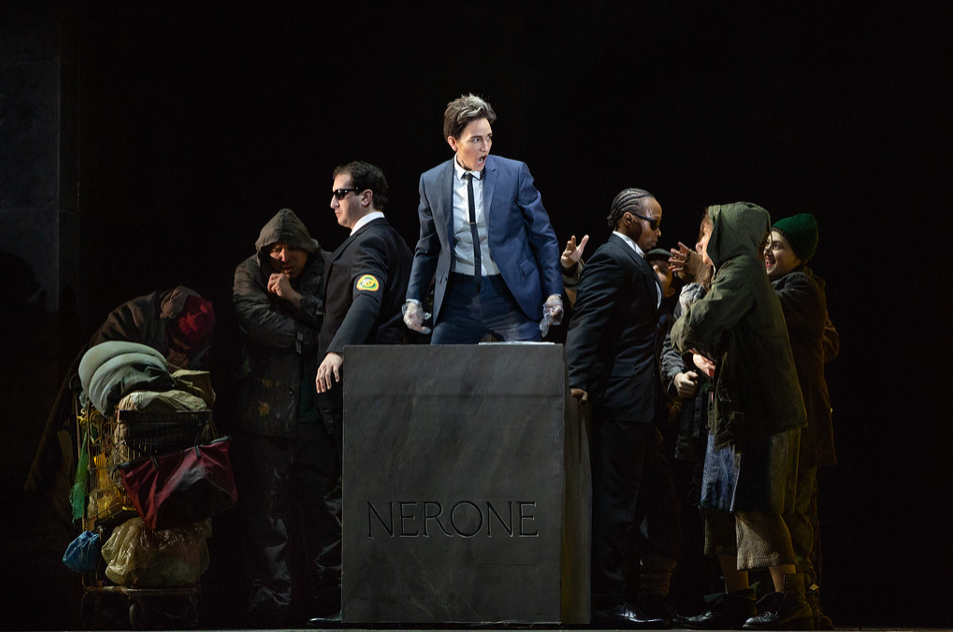
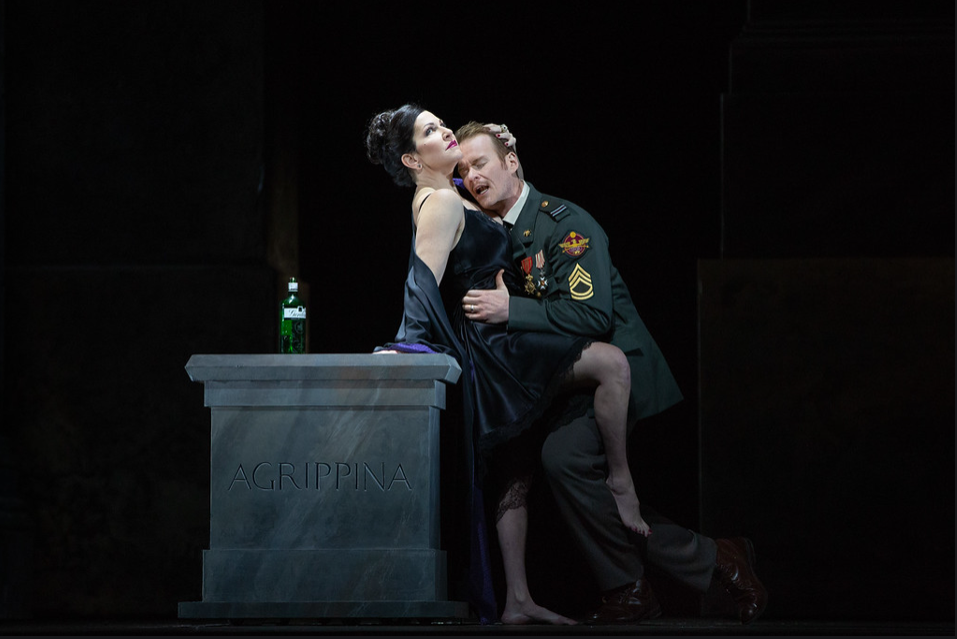
For a political comedy littered with slapstick, it’s fittingly ironic that this newest Met Opera take on Agrippina opens and bookends with morbidity: All the main players are perched on tombs bearing their names.
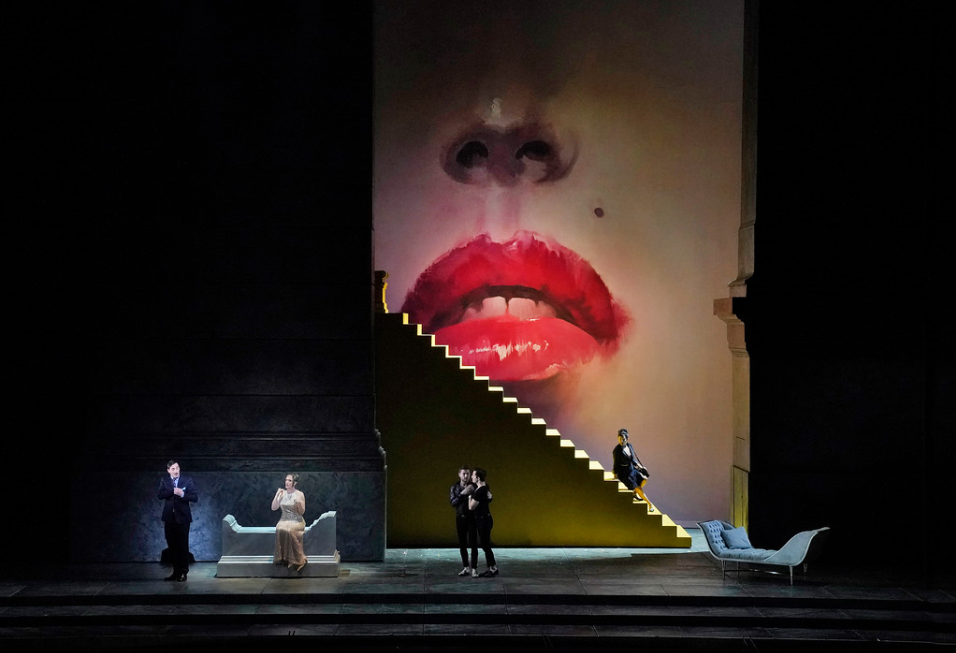
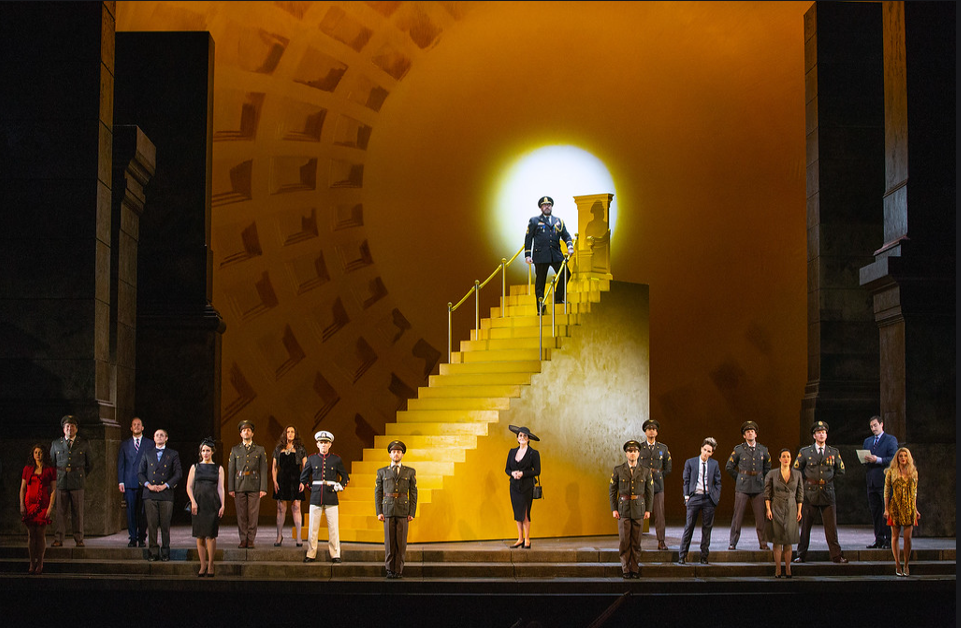
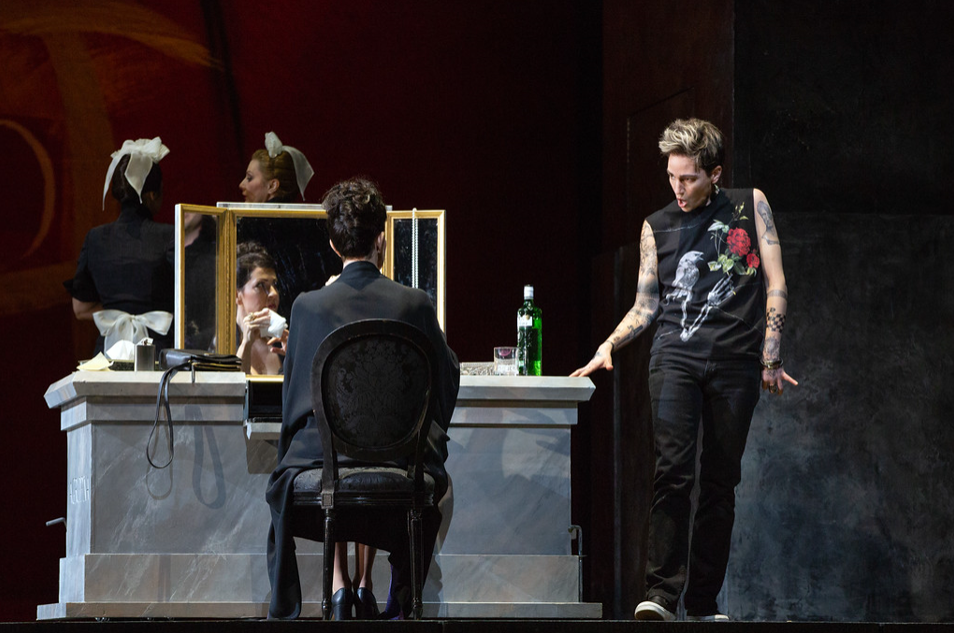
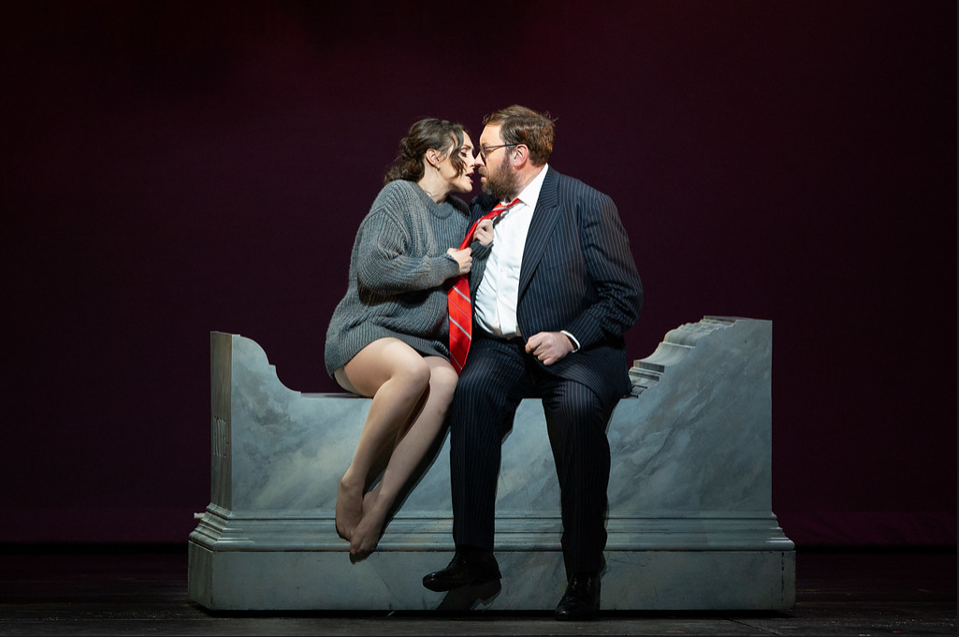
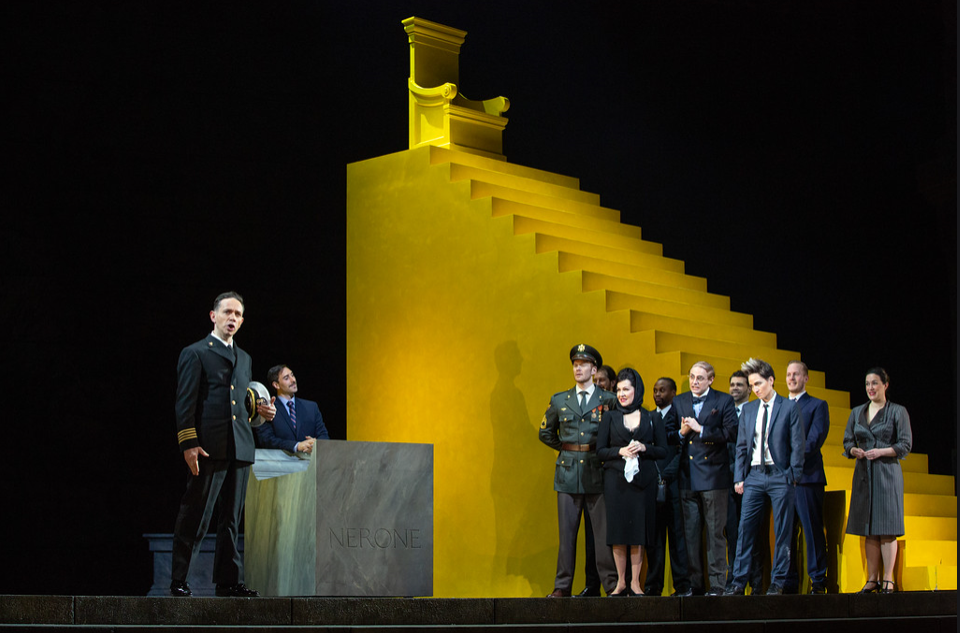
This adaptation of Théâtre Royal de la Monnaie’s production occurs during the tricentennial of George Frideric Handel’s music and Vincenzo Grimani’s libretto — ripped as it is from the pages of Roman history. Sir David McVicar’s modernized Agrippina follows the exploits of the eponymous empress who plots to install her son Nerone onto her husband’s throne, here represented by a chair atop a monumental golden staircase. However, she learns that her husband, Emperor Claudio, has appointed army commander Ottone as his successor. To reinstall her offspring as heir, Agrippina exploits a love triangle drama involving the temptress Poppea.
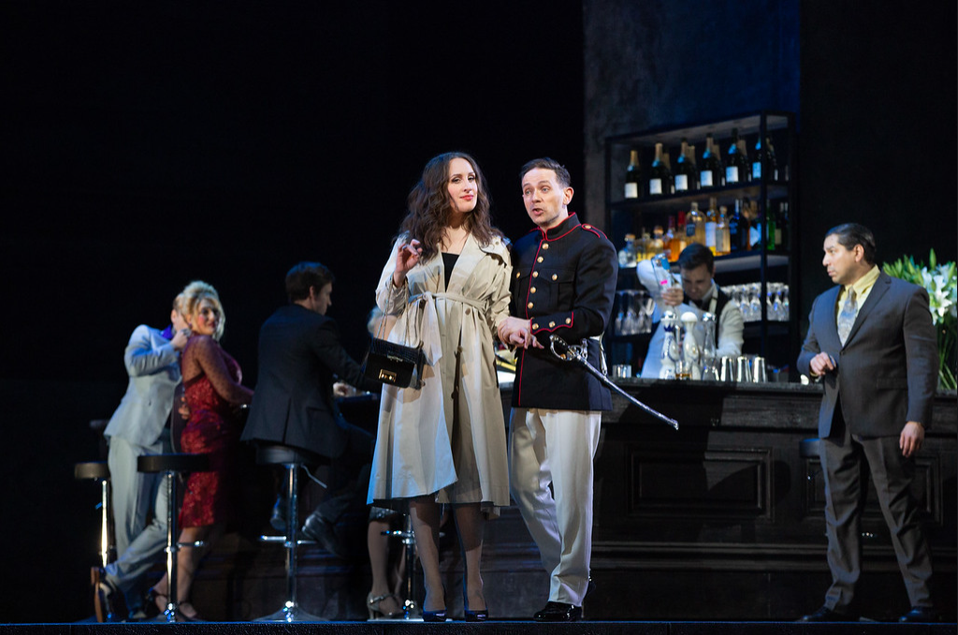
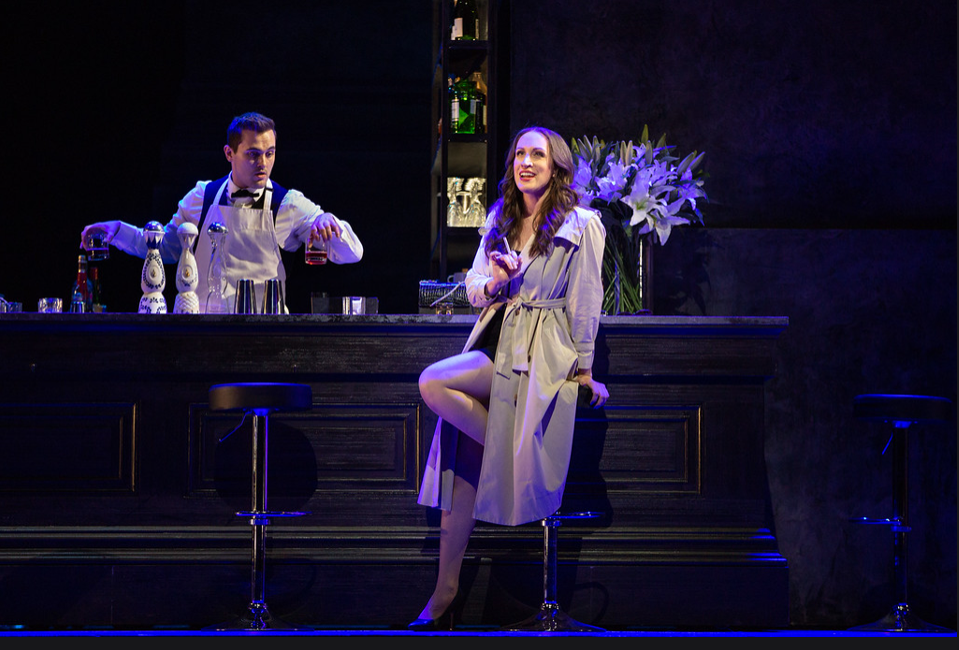
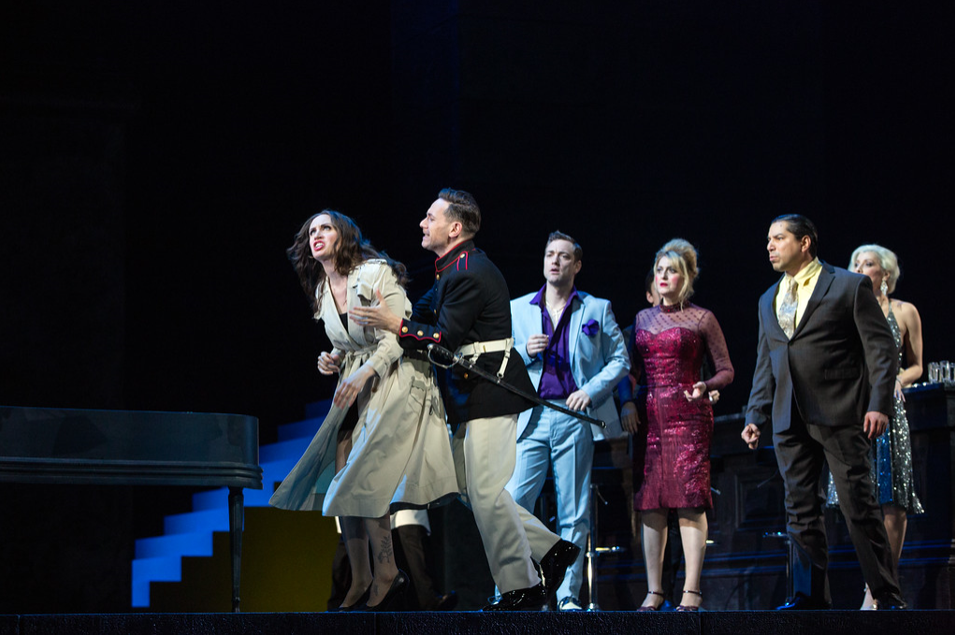
On John Macfarlane’s unfussy but glossy set suggesting shadows of original Roman framework, every conspirator and pawn has their chance to shine. Mezzo-soprano Joyce DiDonato is a delightful hand-rubbing schemer, while mezzo-soprano Kate Lindsey steals the show with her swagger and youthful slouch as Nerone, enacting the funniest number of the night when the humiliated son smothers himself with buttloads of cocaine. Highlights include soprano Brenda Rae as a frazzled Poppea going on a post-betrayal breakdown, ripping up her love letters and eating her feelings out. A triumphantly hysterical scene is Ottone looking forward to his throne ascension with a marching dance, choreographed by Andrew George; flanked by two backup dancers, the military man parcels out mock-machismo maneuvers leading to both a hysterical and heartbreaking gag when the boys abandon him at his lowest point. Countertenor Iestyn Davies offers an endearing wide-eyed tenderness to the role. Bass Matthew Rose is compelling as the no-nonsense Claudio.
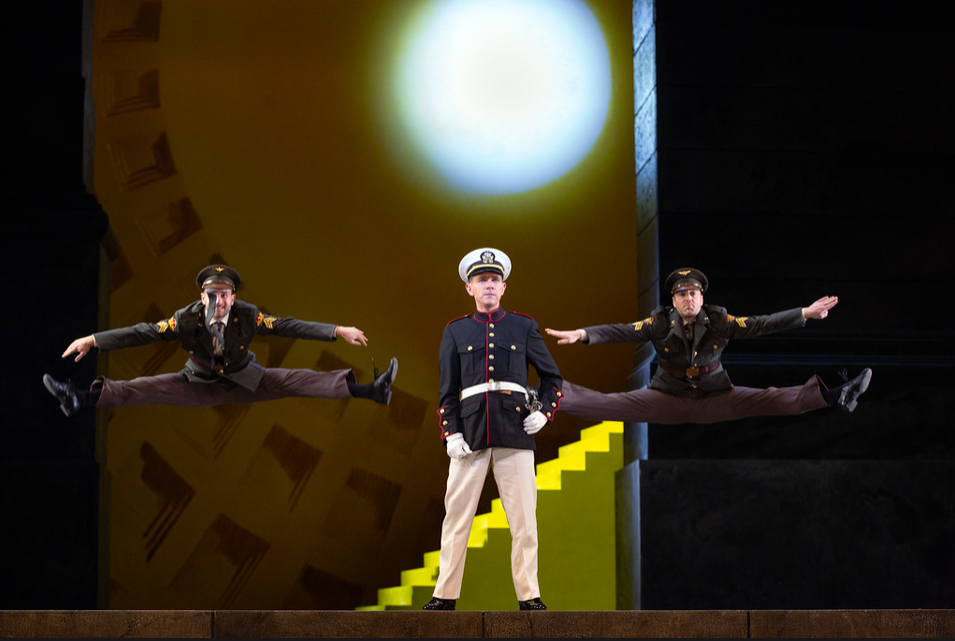
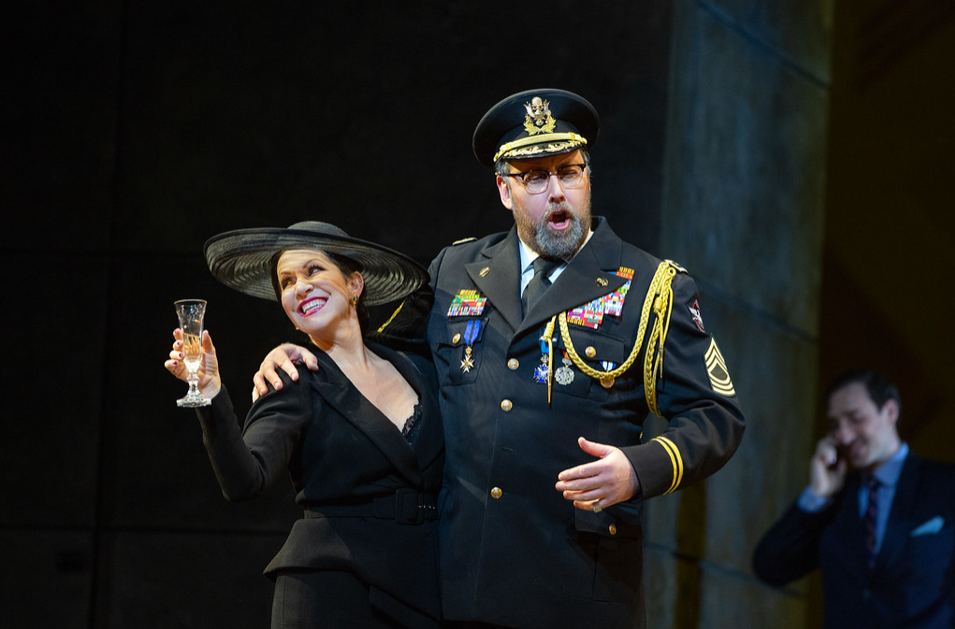
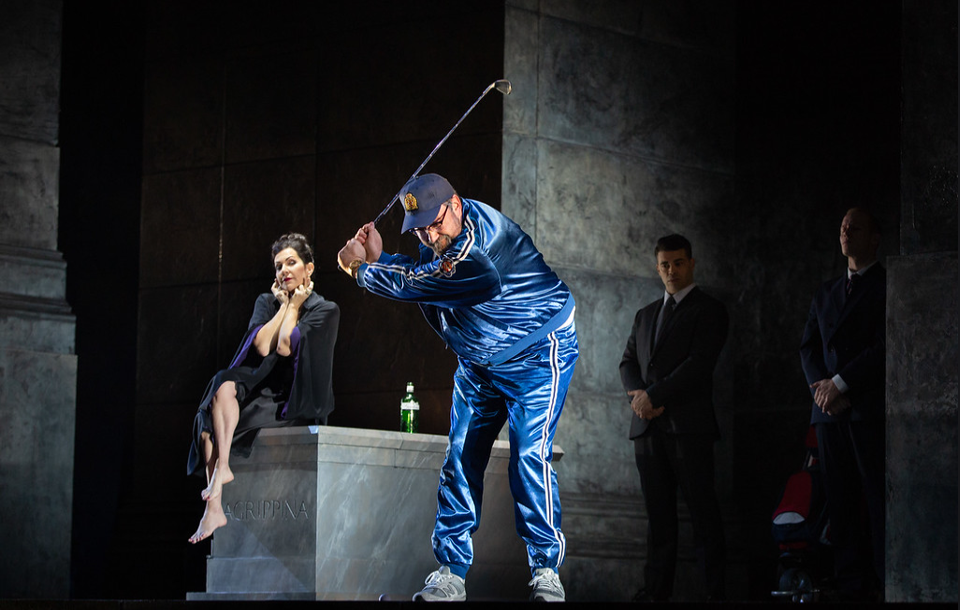
The opera was written to satirize the ambitions of politicians, portraying titans like Claudio as buffoons. Forgoing the appearance of antiquity, this production scatters some familiar contemporary tropes, such as the media capturing Nerone’s disingenuous do-gooding for the poor, and a Trump-esque ruler image when Claudio dons a golf tracksuit (costumes also by Macfarlane). Does McVicar’s modernized makeover give the court intrigue of Agrippina anything visceral to say about our era? Not much. It would seem a less restrained production would better flesh out how civilians feel about their rulers.
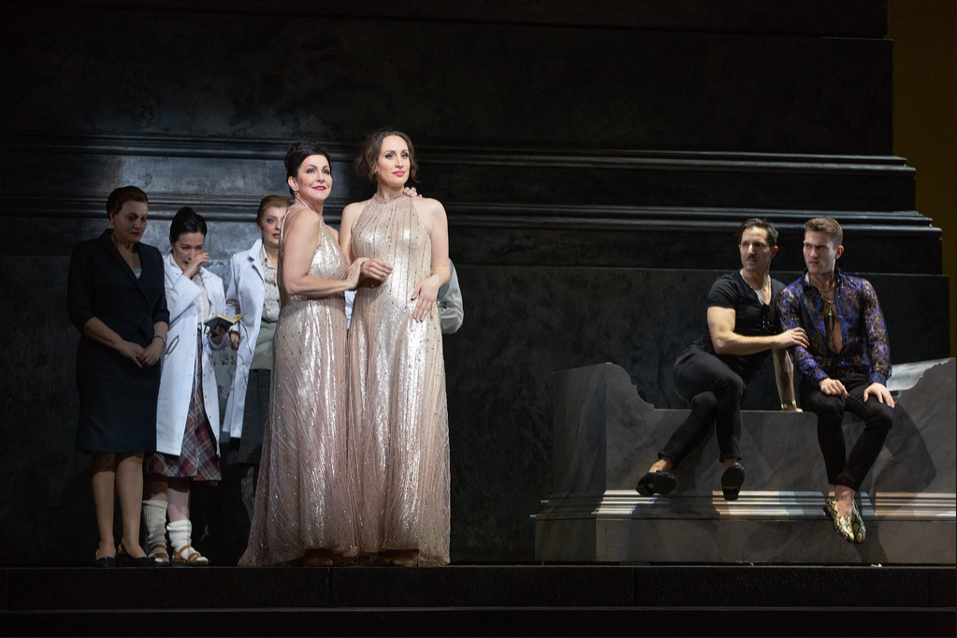
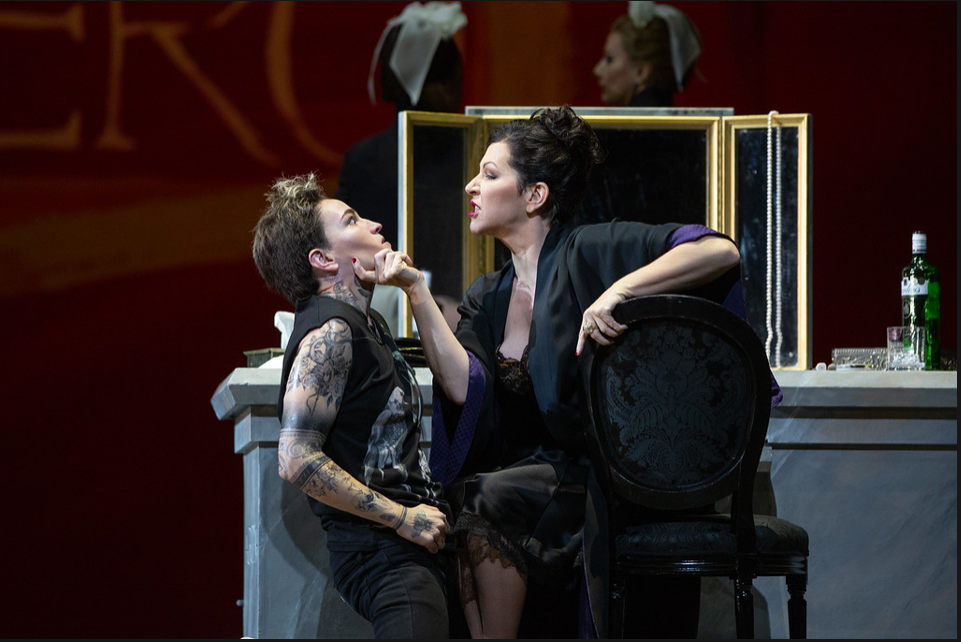
Still, McVicar tactfully hints at a crumbling mythic veneer through the image of Claudio sitting alone outside of his social circle as if exhausted of the court intrigues: A painted canvas of a wolf — healthy in Act I and bloodied to close Act II — now resurfaces as a greyed carcass during a celebratory chipper finale. Once the tombs reemerge and the conspirators and pawns have to return to their mortal slumber, the audience understands that for all the scheming shenanigans and egos of the greats, time will end their reign. The joke’s on them; now, they’re immortalized as pawns for our pleasure.
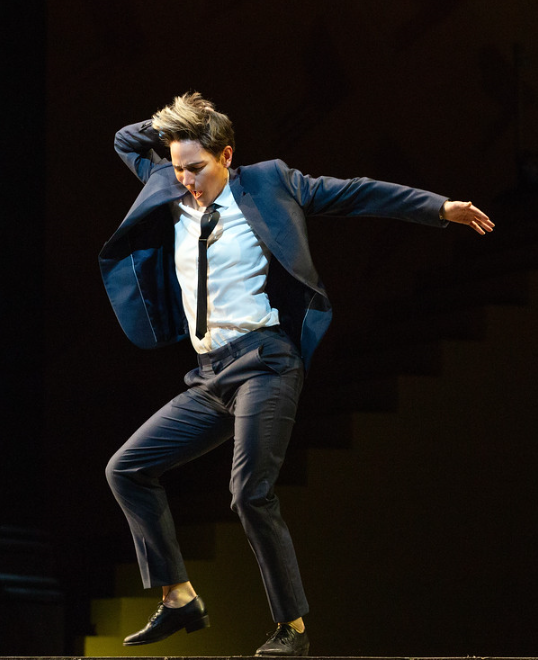 photos by Marty Sohl and Ken Howard
Agrippina
The Metropolitan Opera
30 Lincoln Center Plaza
ends on March 7, 2020
for tickets, call 212.362.2000
or visit The Met
also screens LIVE IN HD
Saturday, February 29, 2020
encore on Wednesday, March 4, 2020
run time: 4 hours 10 minutes
for tickets, visit Fathom
