


Areas We Cover
Categories

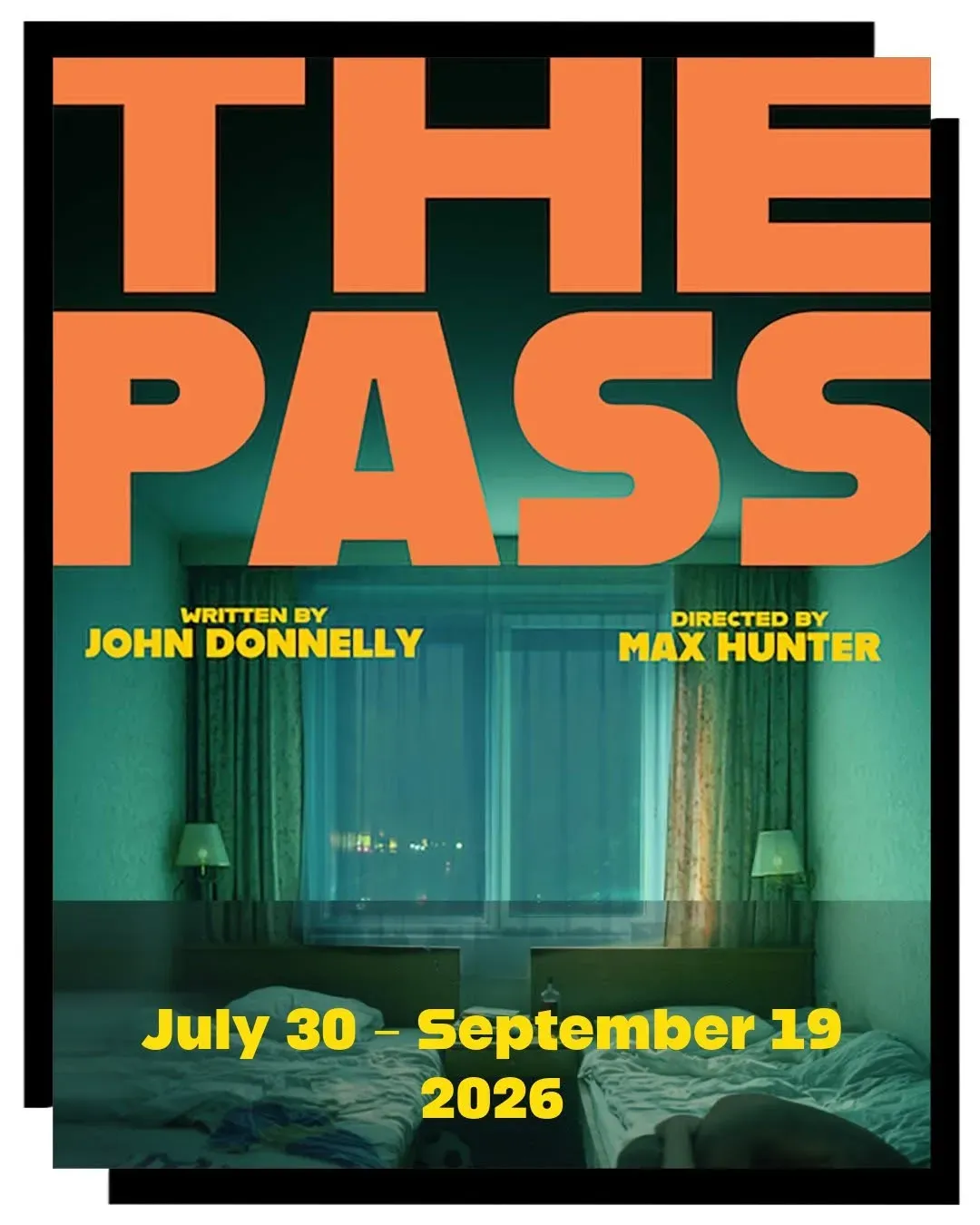
Off-Broadway Review: THE PASS (La MaMa E.T.C.)
by Gregory Fletcher | August 4, 2026
in New York, Theater
NO PASSING THE TRUTH
John Donnelly’s drama examines the devastating cost of
repression, secrecy, and the life that might have been
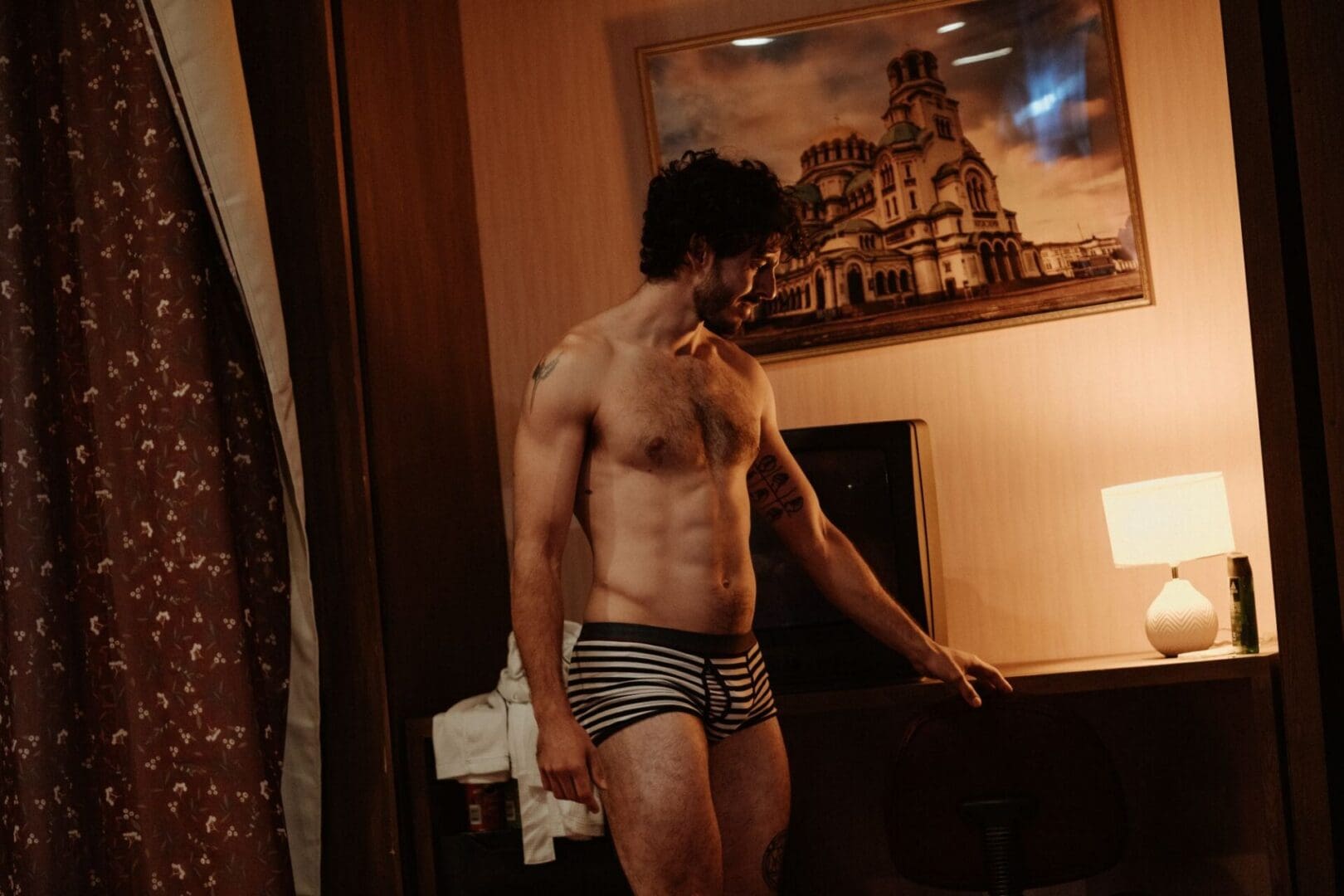
Matisse Ratron-Neal in the American Premiere of John Donnelly‘s The Pass at La MaMa E.T.C.
The American premiere of John Donnelly‘s The Pass (originally produced at London’s Royal Court Theatre) is smartly directed by Max Hunter, who infuses both the play and its performances with energy, theatricality, and genuine pathos. Staged at LaMaMa’s Ellen Stewart Theatre with the audience seated on opposite sides of the playing area, facing one another, the production evokes the feeling of spectators watching a sporting event—an inspired choice that reinforces the central themes of competition, scrutiny, and power plays.
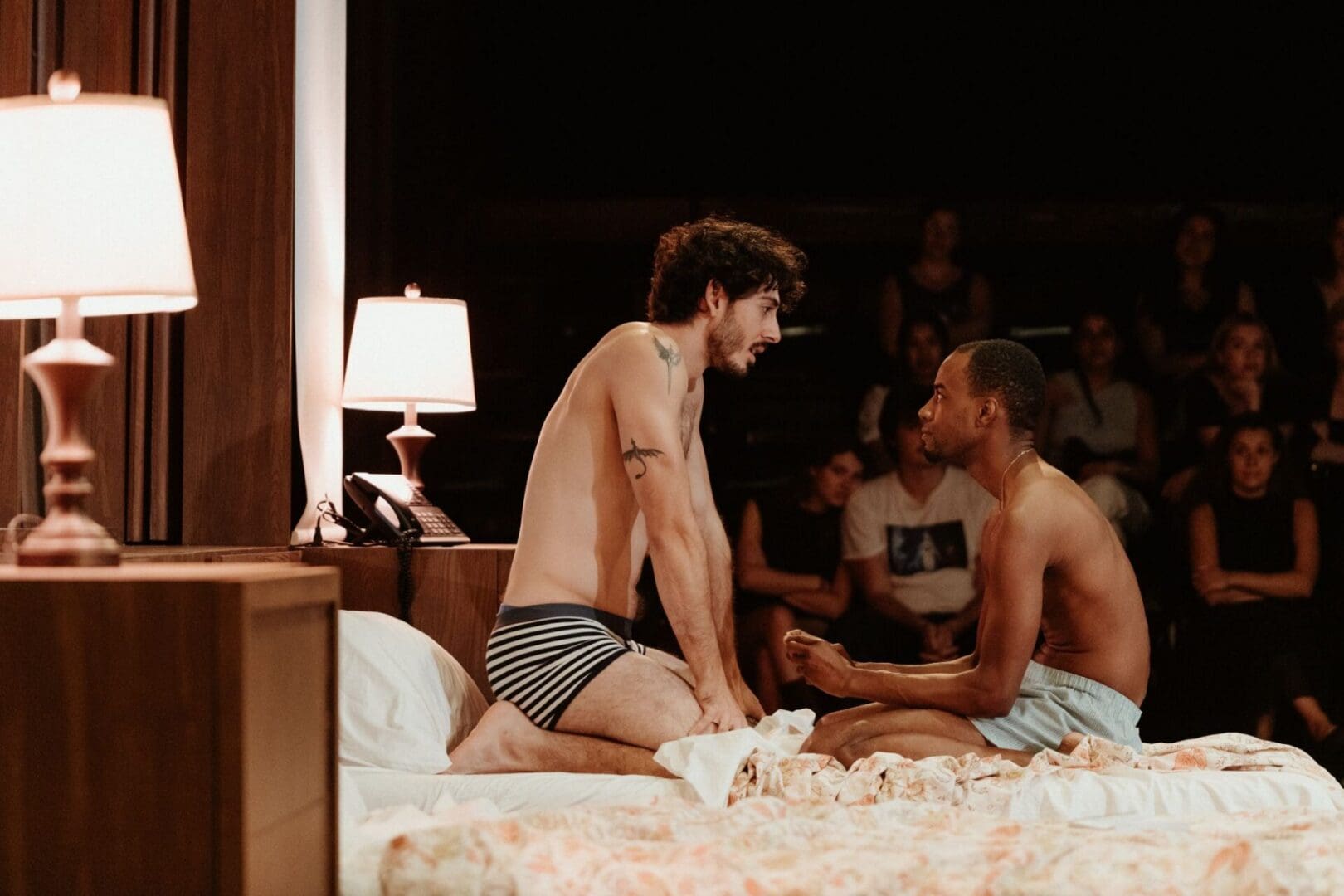
Matisse Ratron-Neal, Terry Bell
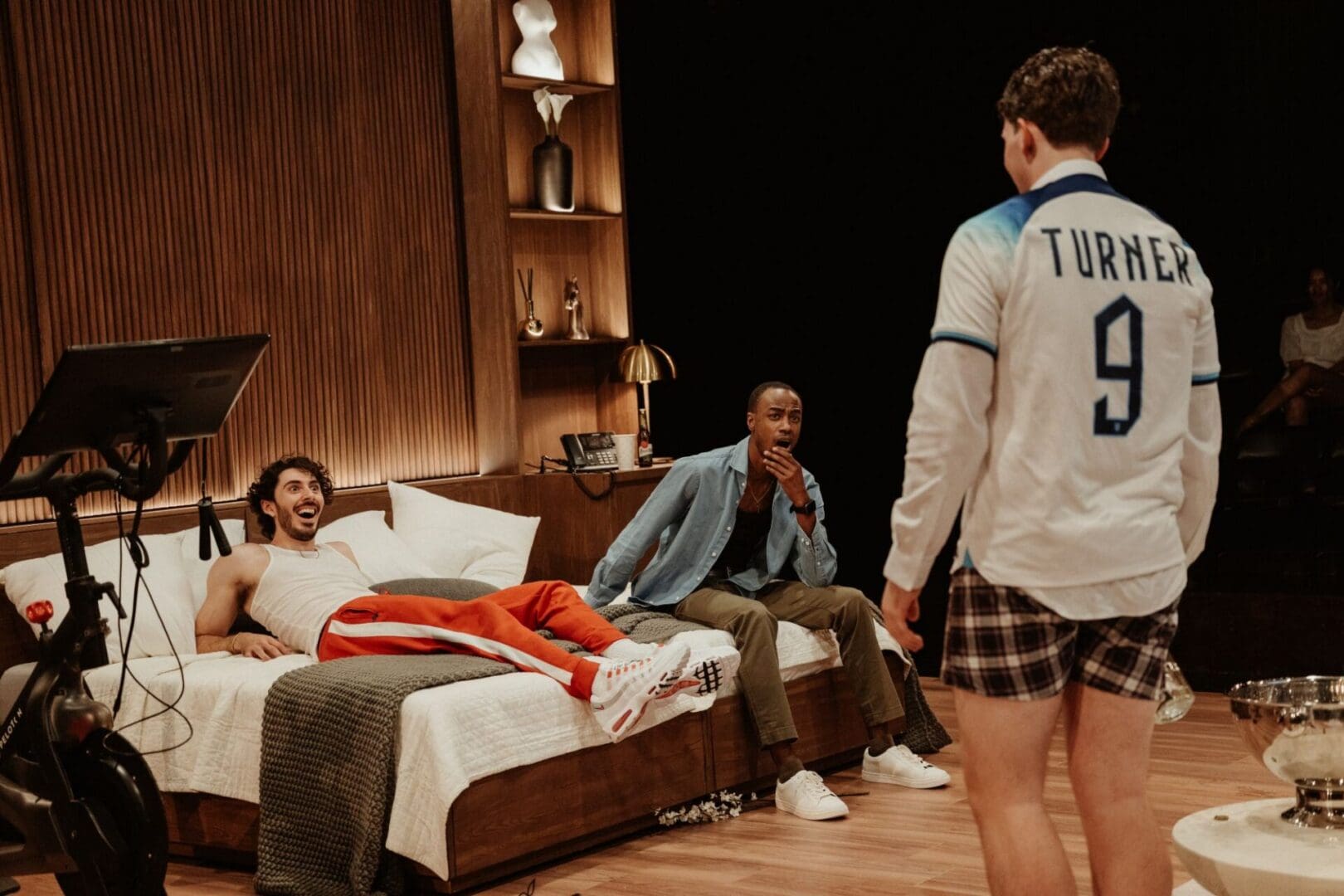
Matisse Ratron-Neal, Terry Bell, Oliver Rowland-Jones
The play, which opened last night, belongs to Matisse Ratron-Neal, who delivers a riveting performance as Jason, a rising soccer star. Seen at close range for much of the production wearing little more than a pair of underwear, Ratron-Neal is in peak physical condition and never leaves the stage during the play’s uninterrupted 150-minute running time. Jason is a mass of contradictions, and Ratron-Neal captures them with remarkable precision. Introduced as a self-involved liar, he is also a playful, horny puppy dog emotionally trapped in adolescence. Then, in the final moments of the opening scene, everything changes. He catches a glimpse of his true self—and of love.
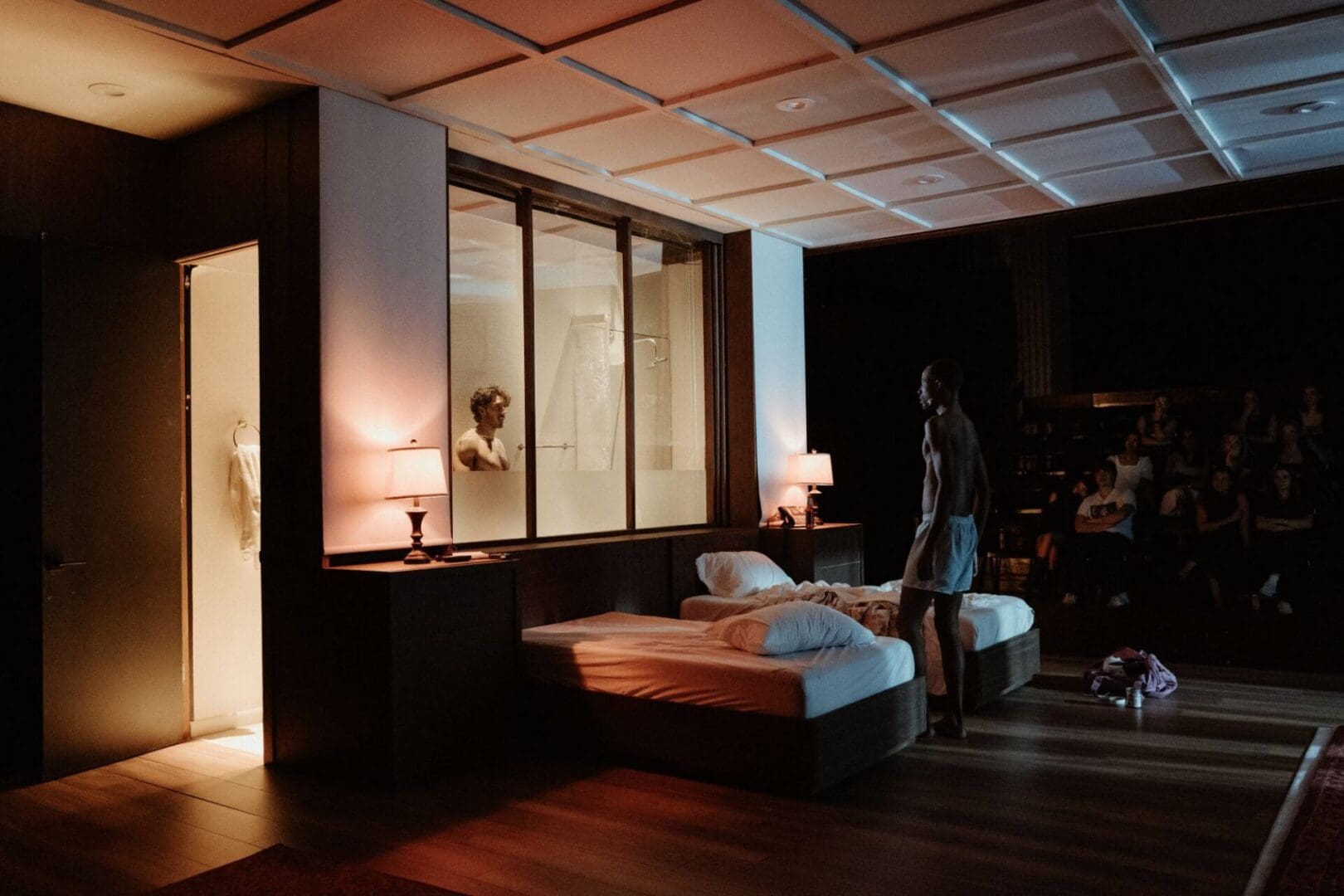
Matisse Ratron-Neal, Terry Bell
Much of this transformation isn’t spelled out in the dialogue, which often resembles locker-room small talk. Instead, the emotional story unfolds in the subtext. Jason shares a hotel room with fellow player Ade (Terry Bell), and as they joke nervously before a pivotal match that may determine which of them is cut from the team, an undeniable attraction slowly surfaces. Neither man fully acknowledges it, but its consequences echo throughout the play, becoming unmistakable in the final scene.
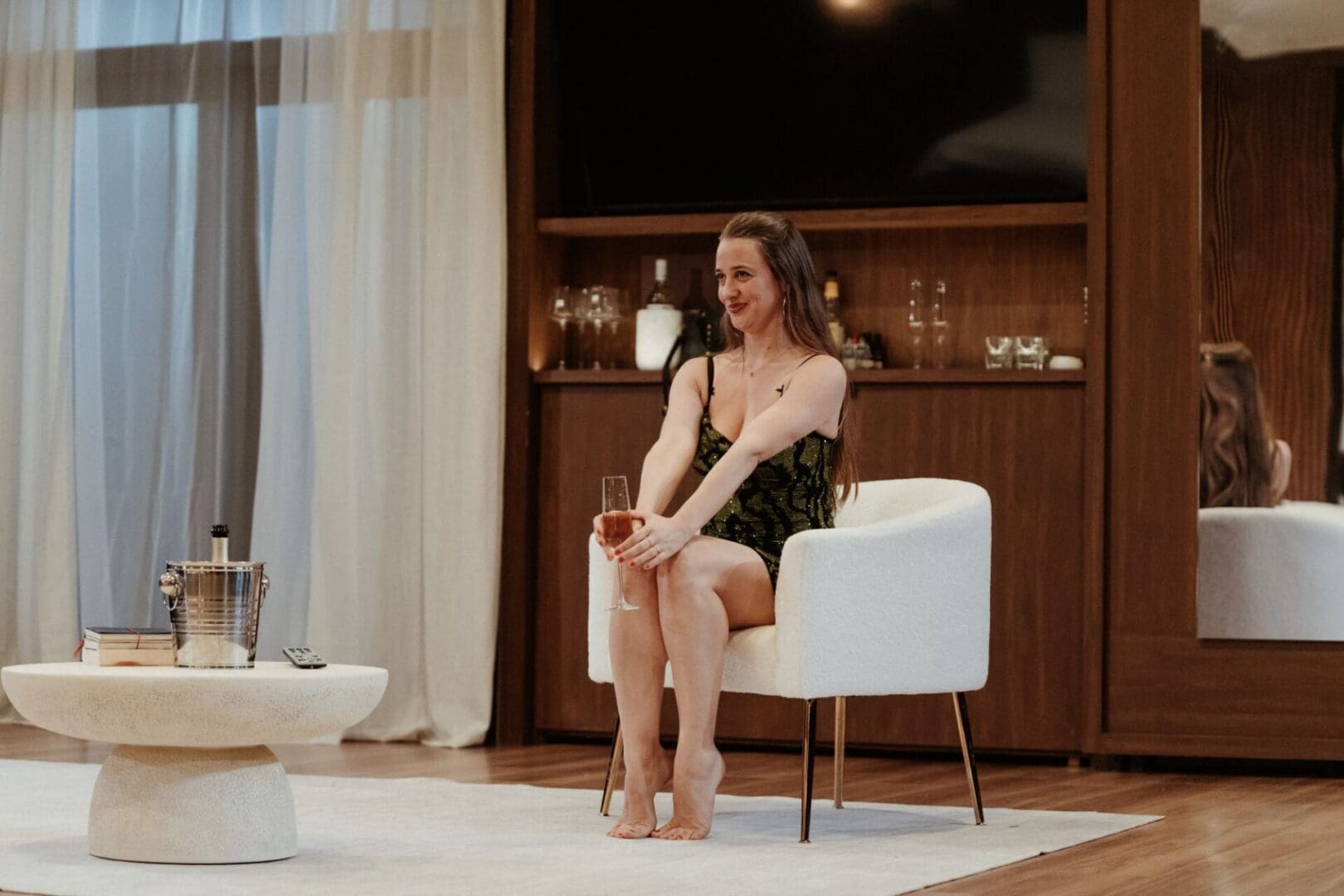
Ino Badanjak
The second scene jumps ahead six years. Jason is now married with a child and finds himself in another hotel room, this time with table dancer Lyndsey (Ino Badaniak). It quickly becomes clear this isn’t a routine after-hours encounter. Is Jason exploiting her, or is she using him? Like Jason, Lyndsey proves to be a deeply layered character whose own manipulation gradually comes into focus.
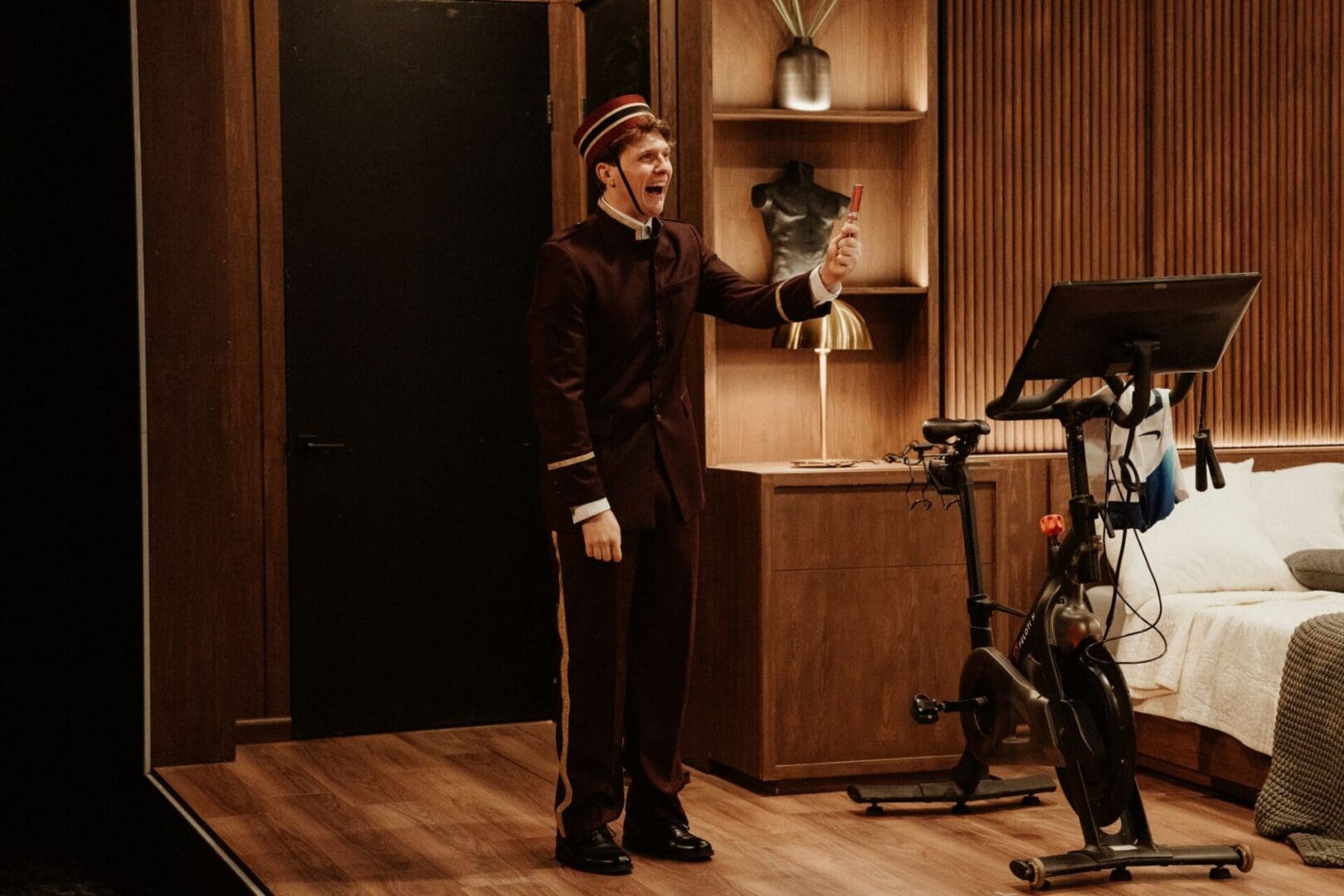
Oliver Rowland-Jones
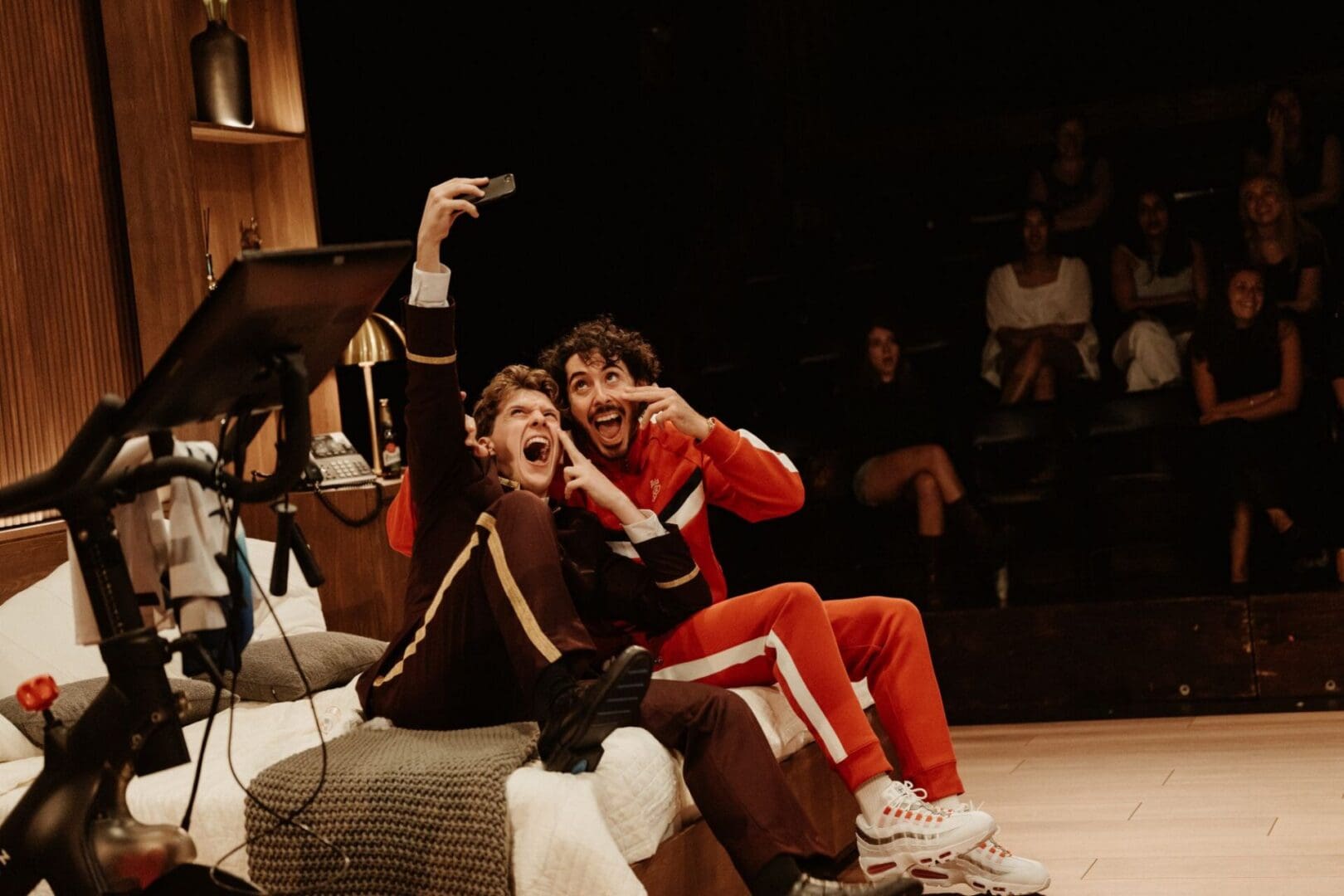
Oliver Rowland-Jones, Matisse Ratron-Neal
Six years later, Ade returns. No longer a soccer player, he has embraced his gay identity, come out, and entered a committed relationship. Jason, however, remains preoccupied by the encounter that ended the first scene. Desperate to rekindle what might have been, he discovers that some opportunities cannot be reclaimed. When Ade rejects him, Jason lashes out in destructive and unexpected ways, drawing the unsuspecting bellhop Harry (Oliver Rowland-Jones) into the emotional wreckage.
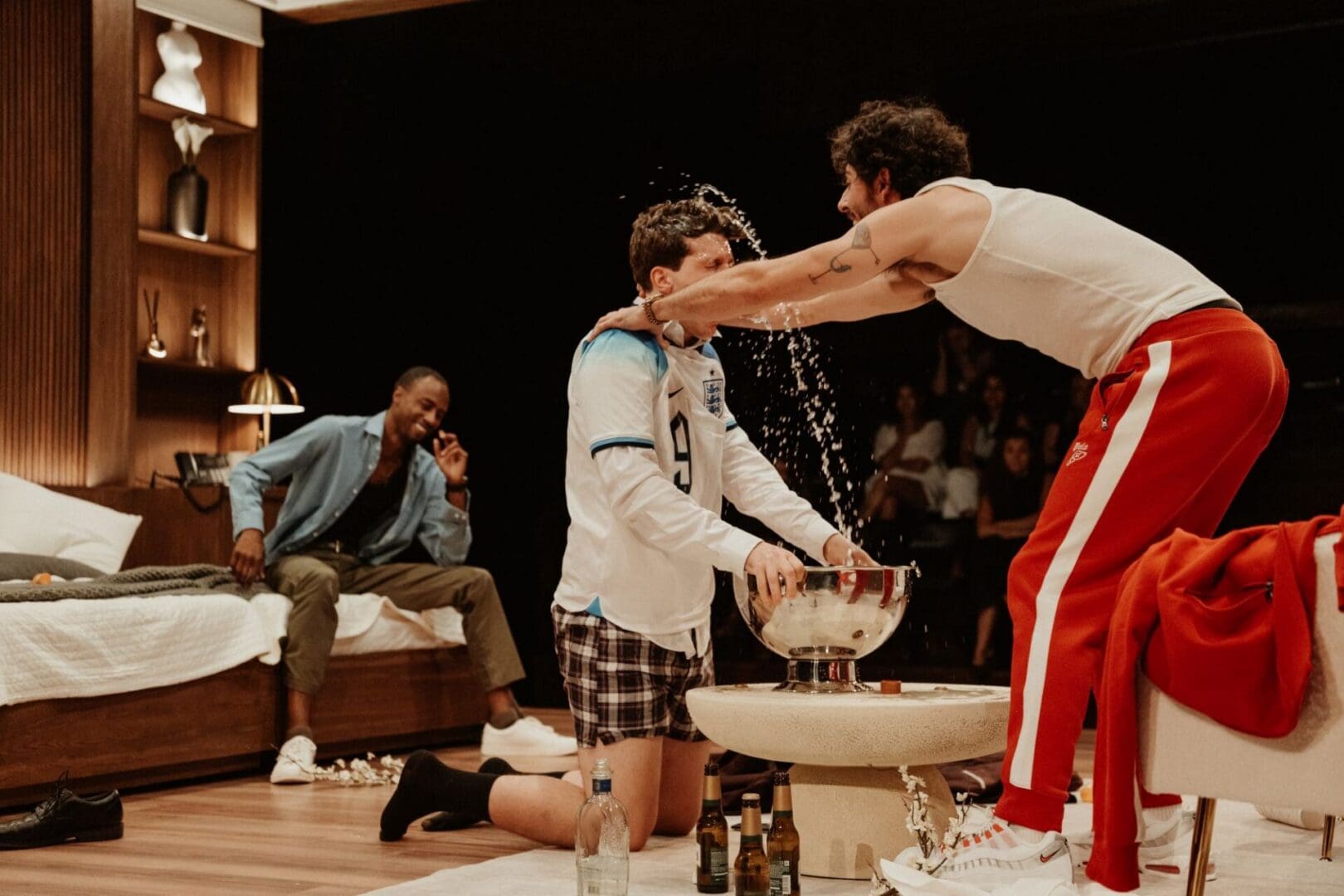
Terry Bell, Oliver Rowland-Jones, Matisse Ratron-Neal
As with the cast and director, the design team excels. Seth Byrum‘s clever set transforms seamlessly into three distinct hotel rooms, aided by two bellhops who execute the scene changes with precision. Thomas Jenkeleit‘s props are elegantly understated yet clearly establish each new location. Megan Culley‘s pulsating sound design captures the anticipation, desire, and anxiety coursing through the characters, while Cheyenne Sykes‘ lighting creates an electric, nightclub-like atmosphere that propels the action forward. Amanda Roberge‘s costume design is both sexy and practical, allowing for Jason’s rapid transformations between scenes. Dwight Bellisimo‘s video design, displayed on the hotel television screens, provides an immersive visual layer that enriches the world of the play.
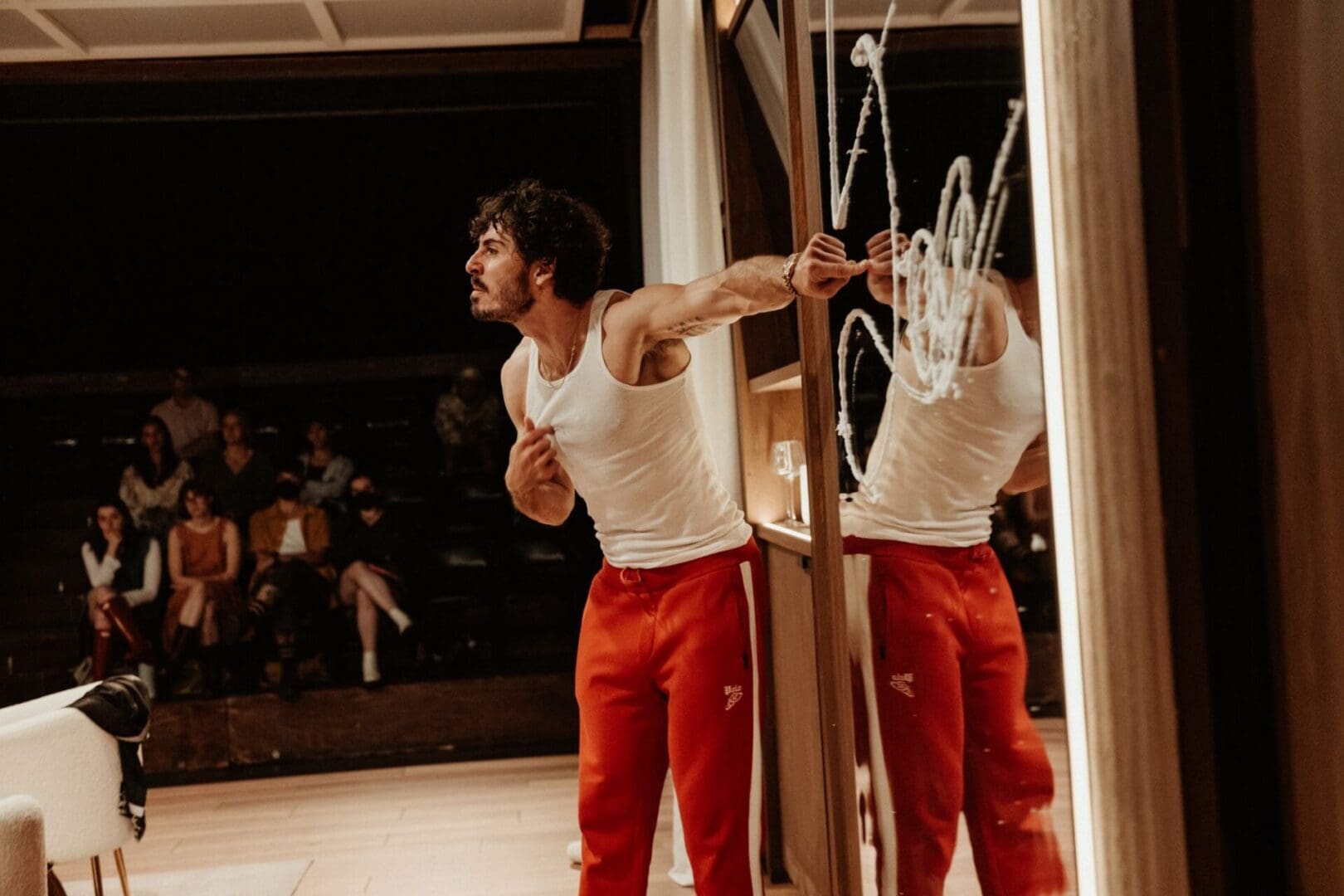
Matisse Ratron-Neal
The Pass examines toxic masculinity, desire, repression, the pressures of professional sports, and the corrosive effects of living a life defined by secrecy and shame. While the production is undeniably sexy, it’s also emotionally distressing. The play argues that the greatest loss isn’t a championship or a career—it’s the gradual surrender of one’s humanity. Sometimes the biggest risk isn’t losing the match, but losing yourself.
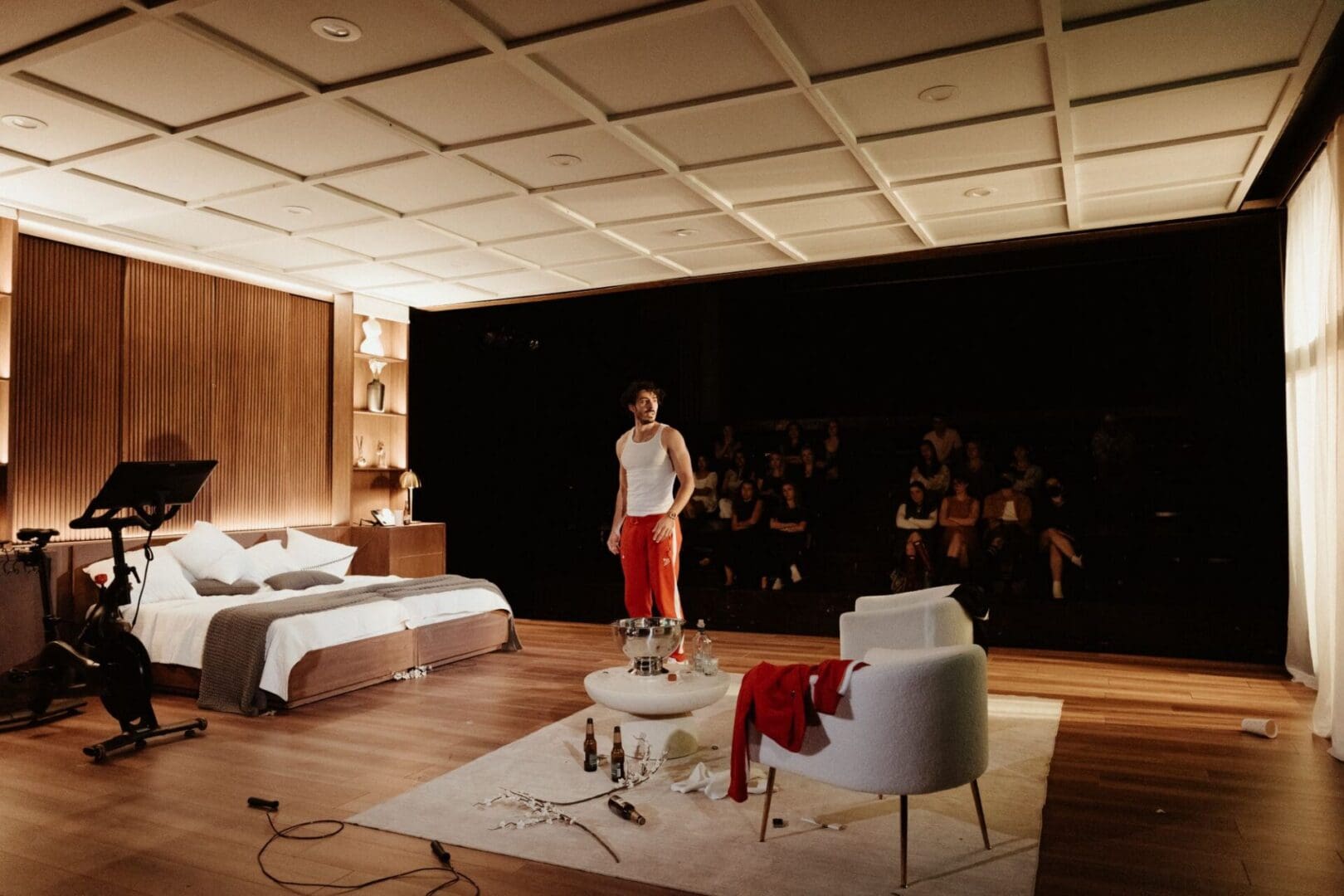
Matisse Ratron-Neal
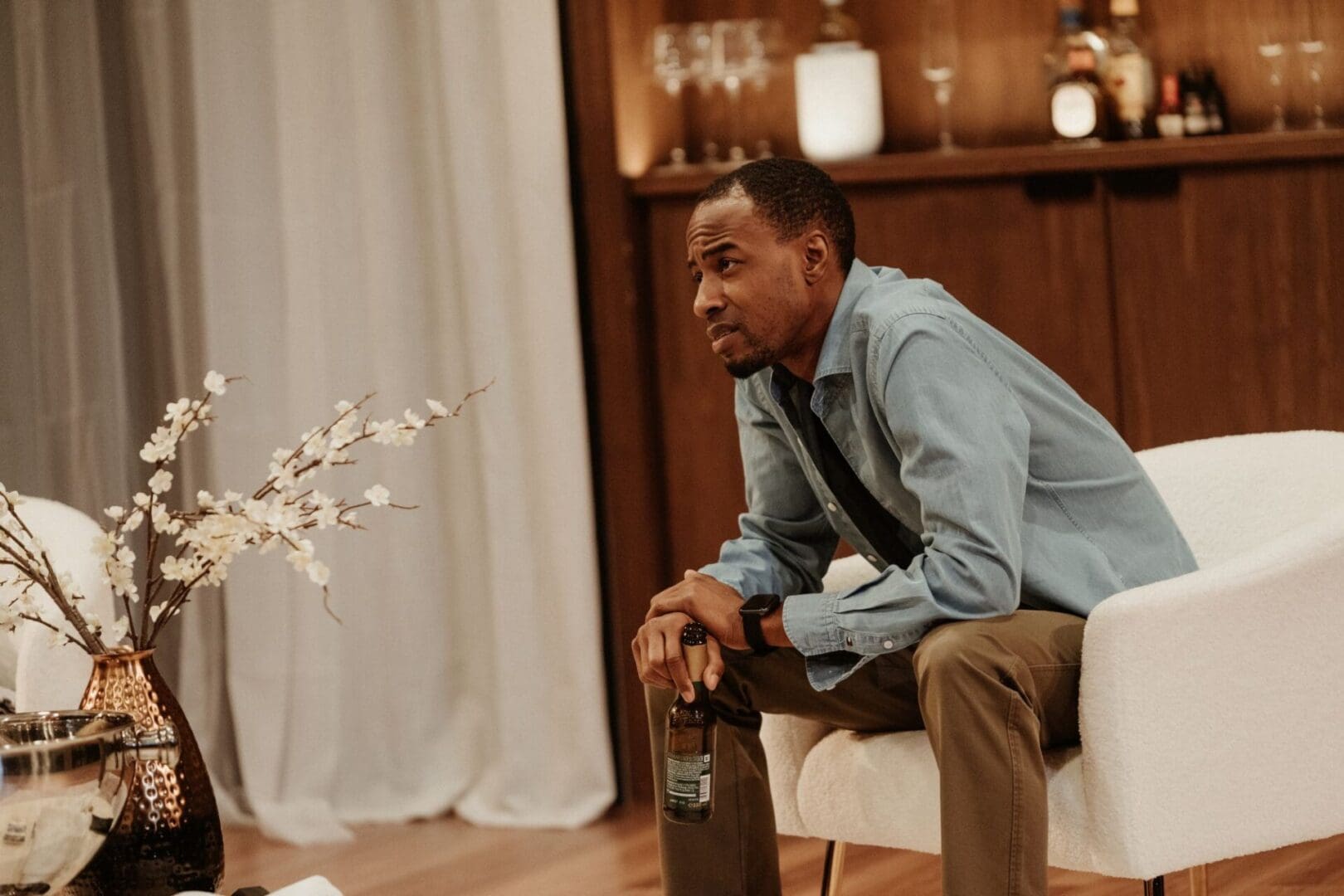
Terry Bell
